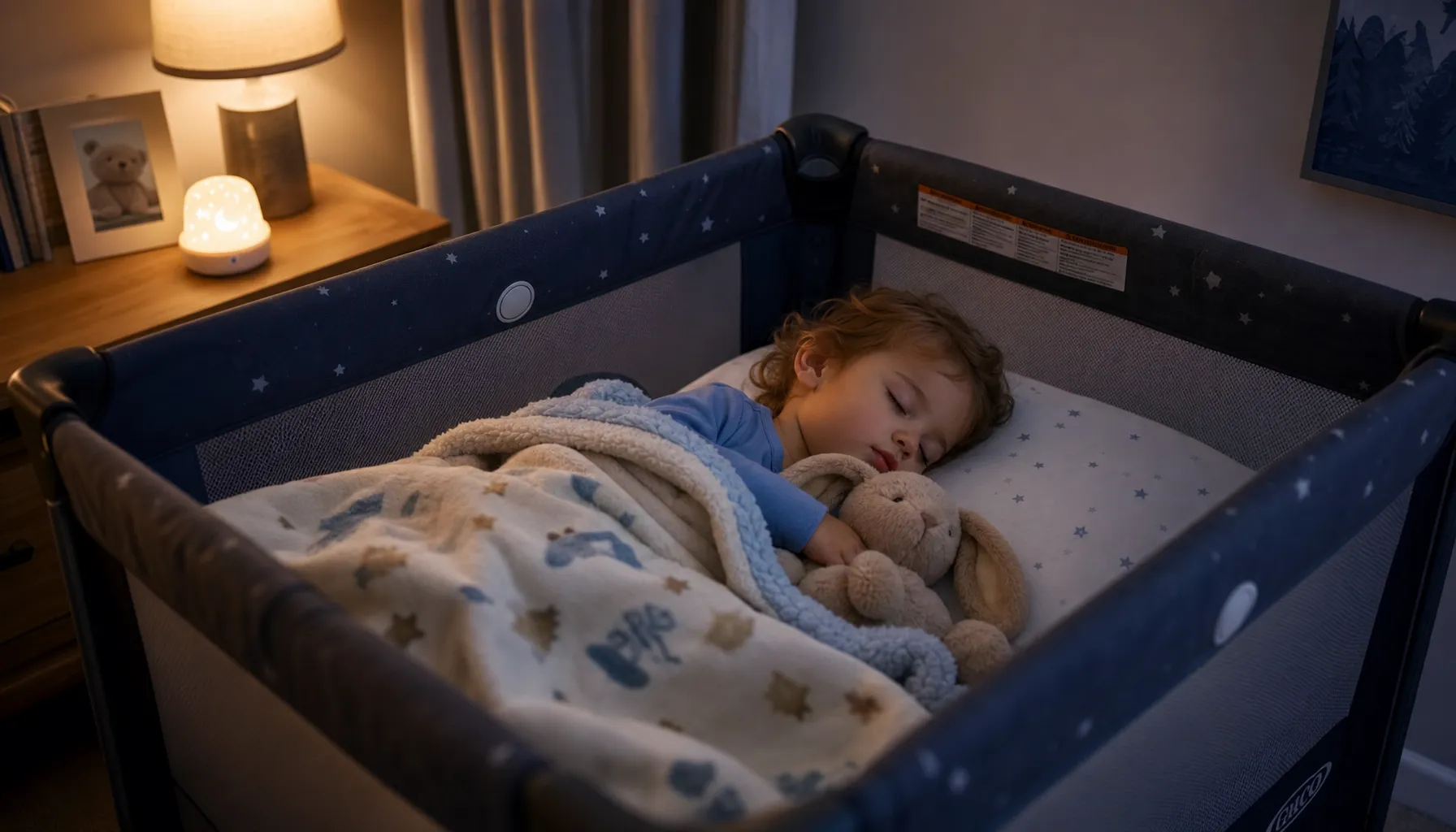
Understanding Toddler Jet Lag: Why Are Young Sleepers So Sensitive?
Traveling across time zones can disrupt even the most robust adult sleep schedules, but toddlers are particularly vulnerable to these changes. Their developing circadian rhythms, which regulate the sleep-wake cycle, are still forming strong associations with environmental cues such as light and meal timing. Unlike adults, toddlers may lack the flexibility to adapt quickly after a change in schedule, resulting in increased fussiness, night waking, or difficulty napping upon arrival at a new destination.
The biology behind this sensitivity lies in the immaturity of the toddler’s internal clock, which heavily relies on consistent routines and predictable cues. When a time change disrupts these patterns, the mismatch between their body’s expected schedule and the local time can cause extended periods of jet lag. For families, this can mean days of challenging bedtimes, cranky mornings, and unpredictable nap windows, making travel less restful for everyone involved.
Recognizing the root cause of toddler jet lag lays the groundwork for meaningful interventions. Parents can benefit from treating their child’s adaptation as a mini science experiment—testing variables and adjusting routines while observing the results. By understanding what makes toddlers uniquely sensitive to time changes, caregivers are better equipped to introduce supportive measures that ease the transition.

Designing Your Toddler Jet-Lag Lab: Setting Up for Success
Approaching jet lag as a mini science experiment empowers parents to blend structure and flexibility while traveling. The first step involves observing your toddler’s baseline sleep habits—bedtime, wake-up time, and nap durations—before departure. By tracking these patterns, families gain a reference point for post-travel adjustments and can identify which cues most influence their child’s sleep.
One evidence-backed method for minimizing jet lag is to introduce gradual schedule shifts in the days leading up to travel. Adjusting bedtime and naps by 15–30 minutes per day toward the destination time zone can help synchronize a toddler’s internal clock. This strategy, while not always feasible for every family, has been shown to reduce sleep disruption when implemented consistently. Parents are encouraged to set realistic expectations and use this approach as a guide, recognizing that each child responds differently.
Structuring the “lab” experiment also involves preparing travel essentials such as comfort items, blackout shades, and portable white noise machines. These tools provide familiar cues in unfamiliar environments, helping toddlers feel secure. A balanced approach—testing strategies, noting results, and adapting based on your toddler’s cues—builds resilience and equips families to handle time-zone changes more confidently.
Key Variables: Light, Naps, and Consistent Cues
Once families arrive at their destination, the most influential variables in resetting a toddler’s internal clock are light exposure, nap management, and maintaining consistent routines. Morning daylight exposure is particularly effective in signaling to the brain that it is time to be awake. Spending time outdoors or near windows during the local morning hours can accelerate adaptation, as natural light helps recalibrate the circadian rhythm.
Nap schedules often require the most flexibility. Experts recommend capping naps at their typical duration and avoiding late-day sleep, as overtiredness can further disrupt nighttime rest. If your toddler struggles with daytime drowsiness, consider shorter, strategically timed naps to bridge the gap until bedtime. Keeping pre-sleep routines familiar—such as reading a favorite story or using a familiar blanket—can serve as comforting signals, reinforcing a sense of normalcy despite a new environment.
While consistency is essential, adaptability is equally important. Parents may need to adjust expectations and respond to their child’s changing needs as the days progress. Tracking how these variables impact sleep outcomes allows for minor course corrections, ensuring a smoother transition with each trip.
Troubleshooting and Adjusting: When the Experiment Doesn’t Go as Planned
No two toddlers respond identically to time-zone shifts, and even carefully planned routines may falter amid the unpredictability of travel. If jet lag symptoms persist, it’s important to reassess and experiment with new variables. For example, parents can try slight adjustments to nap times, modify evening routines, or introduce calming activities before bed. Maintaining a written log of sleep times and behavior can reveal patterns and provide insight into what strategies work best for your child.
Occasionally, external factors—such as unfamiliar hotel rooms, dietary changes, or exciting new surroundings—may prolong the adjustment period. In these cases, patience and incremental tweaks are essential. Shortening naps further, reinforcing evening wind-down rituals, or increasing morning outdoor activity can facilitate recovery. If a toddler’s sleep remains highly disrupted for more than a week, consulting with a pediatric sleep specialist may offer tailored guidance.
Ultimately, embracing the process as an ongoing experiment encourages a positive mindset and reduces frustration. Caregivers are reminded that gradual improvement is normal and that even setbacks provide valuable information for future travels.
Making Jet Lag Recovery Fun: Involving Toddlers in the Experiment
Transforming jet lag recovery into a playful science experiment can turn a stressful transition into a bonding opportunity. By explaining changes in simple terms—such as pretending to be ‘sleep scientists’—parents can help toddlers feel empowered and involved in the process. Using sticker charts for consistent bedtime routines or offering praise for flexibility can motivate children to engage positively with new sleep patterns.
Incorporating themed bedtime stories about travel or exploration, or allowing toddlers to help set up their sleep space, reinforces a sense of control and predictability. Small rituals, like drawing a “sun” to signal morning or a “moon” before sleep, provide visual cues and make schedule shifts tangible. While not every child will respond the same way, these creative tactics may encourage buy-in and reduce resistance, especially if introduced with enthusiasm and patience.
Above all, maintaining a supportive and adaptable attitude helps toddlers view travel as an adventure rather than a disruption. Over time, these experiences can foster resilience, equipping young children with the confidence to handle new environments—and the sleep adjustments that come with them—in the future.
