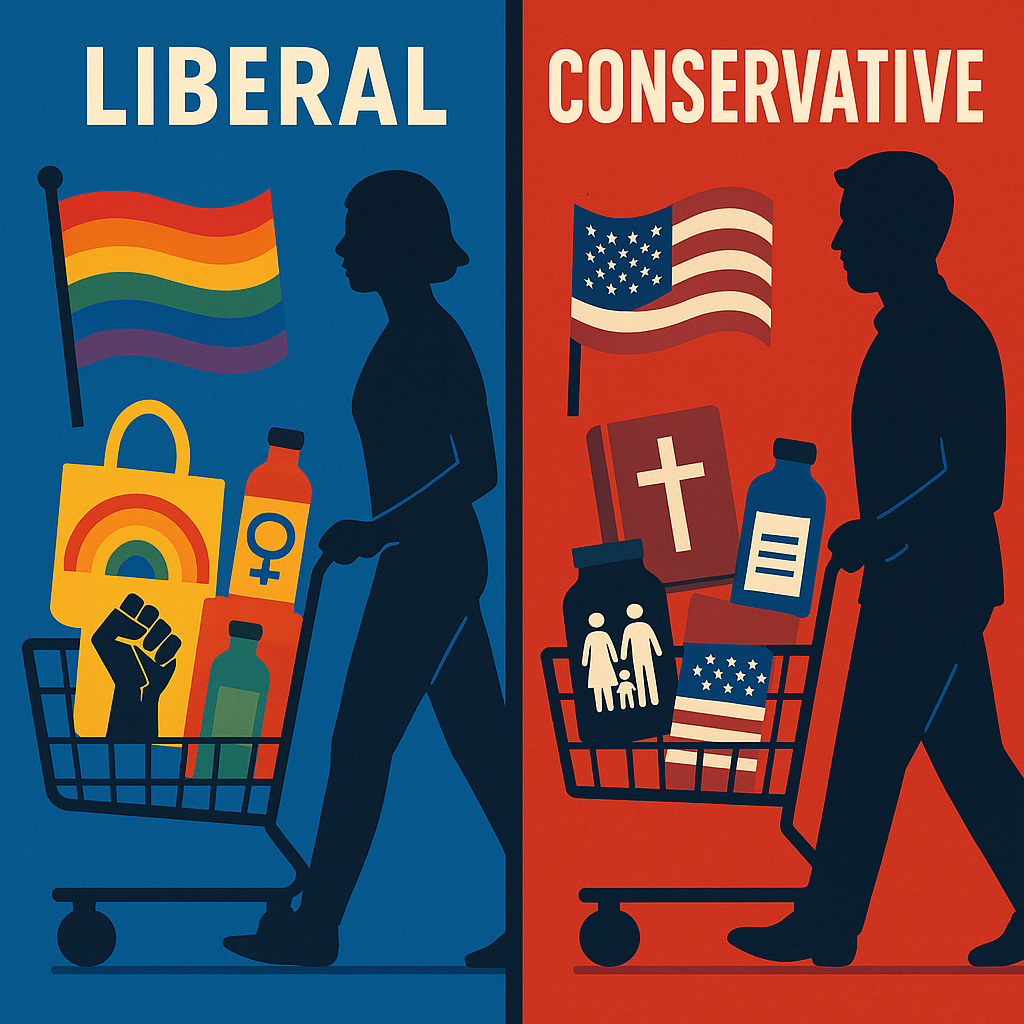
The Ideological Roots of Consumption
At the heart of consumer behavior differences between liberals and conservatives are core beliefs about social hierarchy and fairness. Liberals tend to emphasize equality and social justice, believing that markets should serve a broad, diverse public. This translates into a preference for brands that signal inclusivity, diversity, and ethical business practices. For example, many liberal consumers are drawn to companies with progressive labor policies or that engage in cause marketing related to environmental sustainability or social justice. In contrast, conservatives often value tradition, personal responsibility, and hierarchical structures, which can influence them to favor brands perceived as upholding these values or representing longstanding American heritage. Such ideological divides do not merely reflect surface-level preferences, but rather signal deeper motivations rooted in political philosophy and personal identity.
Research has shown that these ideological differences shape both the types of products purchased and the rationale behind purchasing decisions. For instance, liberals may be more likely to invest in eco-friendly products or donate to causes at checkout, whereas conservatives might prioritize products made domestically or brands that explicitly support the military or first responders. These tendencies are further amplified in environments where consumers feel their ideological identity is salient—such as during election cycles or in the wake of high-profile social movements. It is important to recognize that these patterns are not absolute, and individual choices often reflect a complex interplay of personal experience and broader cultural trends [1].
Recognizing the ideological roots of consumption helps us better understand why market trends can so sharply align with political divisions. As consumer awareness grows, companies increasingly tailor their messaging and product offerings to appeal to these distinct value systems, influencing not only individual purchasing behavior but also the strategic direction of entire industries.
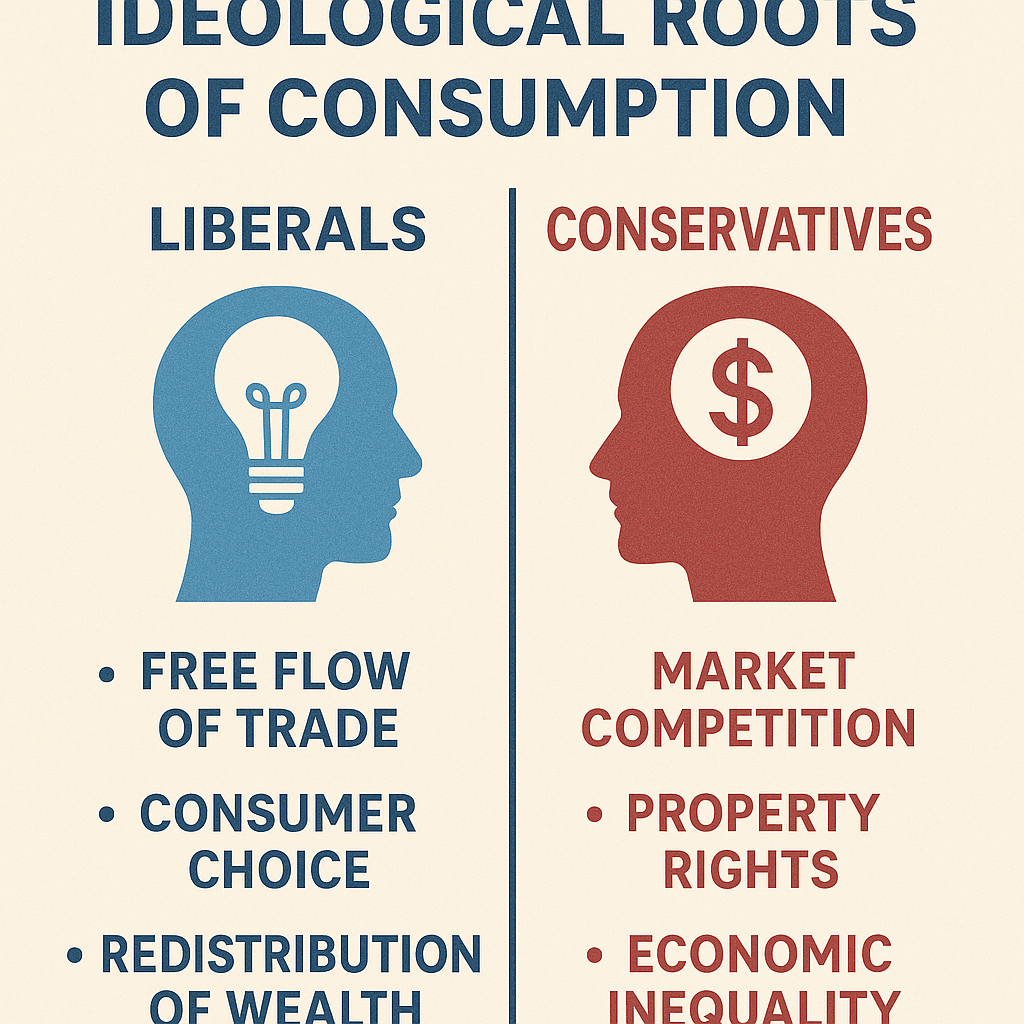
Political Identity and Brand Loyalty
The relationship between political identity and brand loyalty has become increasingly pronounced in recent years. As society grows more polarized, brands are often seen as symbolic extensions of one’s beliefs and values. For liberals, companies that openly support LGBTQ+ rights, environmental causes, or progressive social issues often garner strong loyalty and advocacy. Meanwhile, conservatives may express a preference for brands that highlight traditional values, American-made products, or a commitment to free enterprise. This dynamic extends beyond passive preference into active boycotts or support campaigns, with social media amplifying these movements and further solidifying the connection between political identity and consumer loyalty [2].
Examples of this trend abound. In 2017, when several brands took public stands on immigration and diversity, they saw both increased loyalty from liberal customers and boycotts from conservative ones. Conversely, brands that champion causes such as religious freedom or law enforcement have been celebrated by many conservatives, sometimes leading to backlash among liberal consumers. These cycles of endorsement and rejection demonstrate how consumer decisions can reinforce political group membership and even influence the broader social narrative. Brand strategists now monitor public sentiment and political trends closely, aiming to anticipate which messages will resonate with—or alienate—their target audiences.
While partisan brand loyalty can strengthen group identity, it may also limit exposure to diverse products and perspectives. As companies navigate this landscape, it becomes essential to balance authenticity with broad appeal, mindful that overt political signaling carries both opportunities and risks.
Spending Priorities and Public Policy Preferences
Spending priorities are deeply intertwined with public policy preferences, creating a feedback loop between personal financial decisions and broader economic trends. Liberals, for example, often prioritize collective investment in public goods—such as education, healthcare, and infrastructure—and may support brands that invest in community welfare or corporate social responsibility initiatives. This philosophy is reflected not only in political advocacy for higher social spending but also in personal choices, such as frequenting businesses that donate a portion of profits to social causes [3].
Conservatives, on the other hand, tend to emphasize personal responsibility and market-driven solutions, which often translates to preferences for lower taxation, private enterprise, and individual charitable giving. Conservative consumers may be more likely to support businesses that champion entrepreneurship, minimize government intervention, or represent established traditions. These priorities can influence everything from grocery shopping to major investments, with some opting for brands that resist political correctness or focus on local, small-scale operations.
Over time, these differing priorities can shape market trends at a macro level. For example, companies that invest in environmental sustainability or inclusive marketing may attract liberal demographics, while those highlighting heritage and traditional values may appeal more to conservative consumers. Recognizing these dynamics enables both individuals and businesses to make more informed choices aligned with their values.
Ideological Influences on Everyday Purchasing
Ideology often permeates everyday purchasing decisions in ways that may not be immediately obvious. For instance, a liberal consumer might favor plant-based food brands, driven by concerns over climate change and animal welfare. In contrast, a conservative shopper may gravitate toward brands that emphasize local sourcing, family ownership, or traditional recipes, reflecting a desire to preserve cultural heritage and support domestic producers. These preferences are further reflected in the types of retailers patronized, with liberals more likely to frequent specialty stores or co-ops and conservatives opting for big-box stores that emphasize value and efficiency [4].
Consumer research reveals that such tendencies also manifest in attitudes toward advertising and corporate social responsibility. Liberals generally respond favorably to marketing campaigns featuring diverse representation or environmental messaging, while conservatives may be more skeptical of what they perceive as virtue signaling. This ideological lens also affects the willingness to pay a premium for ethically produced goods or to participate in boycotts of brands that conflict with personal values.
The cumulative effect of these everyday decisions is significant, as it helps shape the marketplace and influences how companies position themselves to attract specific demographic groups. As social and political issues become increasingly intertwined with consumption, understanding these subtle dynamics is essential for both consumers and businesses seeking to navigate a complex and evolving landscape.
The Role of Social Media in Shaping Consumer Behavior
Social media has amplified the connection between political ideology and consumer behavior, providing platforms for individuals to express brand preferences, organize boycotts, or promote advocacy campaigns. The visibility of brand activism or controversy on platforms like Twitter and Facebook allows partisan consumers to rally around companies that align with their values or to mobilize against those perceived as oppositional. This phenomenon has led to the rapid spread of both positive and negative sentiment, often intensifying the ideological divide in the marketplace [5].
For example, viral hashtags supporting or condemning a brand can influence purchasing behavior almost overnight, as consumers respond in real time to perceived ideological alignment or misalignment. Social media also serves as a feedback mechanism for companies, enabling them to gauge the effectiveness of their messaging and the potential risks of taking a political stand. However, this heightened visibility can create pressure to respond to every controversy, potentially leading to brand fatigue or consumer skepticism if perceived as inauthentic.
While social media can foster engagement and advocacy, it also poses challenges in maintaining an inclusive and balanced approach. Brands and consumers alike must navigate a landscape where ideological expression is both a source of community and a potential flashpoint for division.
Economic Impact: How Ideological Spending Shapes Markets
The economic implications of ideological consumer behavior are far-reaching, affecting not just individual brands but entire sectors of the market. As liberals and conservatives gravitate toward different products and services, businesses must adapt to shifting demand patterns. For example, companies that adopt environmentally friendly practices or support social justice initiatives may see significant growth among liberal-leaning demographics, while those that highlight patriotism and traditional values may consolidate support among conservative consumers [6].
This market segmentation can drive innovation, as brands compete to meet the specific needs of ideologically distinct audiences. However, it may also limit the potential for cross-cultural exchange and lead to increased polarization within the marketplace. Industries such as media, food and beverage, and retail have experienced the effects of these divisions, with some companies thriving by appealing to niche markets and others struggling to maintain broad-based appeal.
Over time, the economic impact of ideological spending may influence employment patterns, regional economic development, and even investment trends. While the long-term effects are complex and subject to change, it is clear that consumer ideology is an increasingly important driver of market dynamics in the modern economy.
Bridging the Divide: Toward Inclusive Consumer Culture
As ideological divisions shape the marketplace, there is growing interest in finding ways to bridge the gap and foster a more inclusive consumer culture. Some brands are experimenting with messaging that highlights shared values or focuses on universal themes, such as community support or quality craftsmanship. These efforts aim to appeal across the political spectrum and reduce the risk of alienating any particular group. However, achieving true inclusivity requires ongoing commitment to transparency, ethical business practices, and respect for diverse perspectives [7].
Consumers, too, play a role in promoting a more balanced marketplace by seeking out products and brands that reflect a range of values and experiences. Engaging in open dialogue about the intersection of politics and consumption can help increase understanding and reduce the potential for misunderstanding or exclusion. As the marketplace continues to evolve, fostering empathy and mutual respect will be essential for building a consumer culture that serves everyone.
Ultimately, while ideological differences will likely continue to influence spending patterns, there remains significant potential for dialogue, innovation, and shared progress in the world of consumer behavior. Readers are encouraged to reflect on their own values and consider how their choices contribute to shaping a marketplace that is both dynamic and inclusive.
