What Is Cringe Marketing and Why Does It Go Viral?
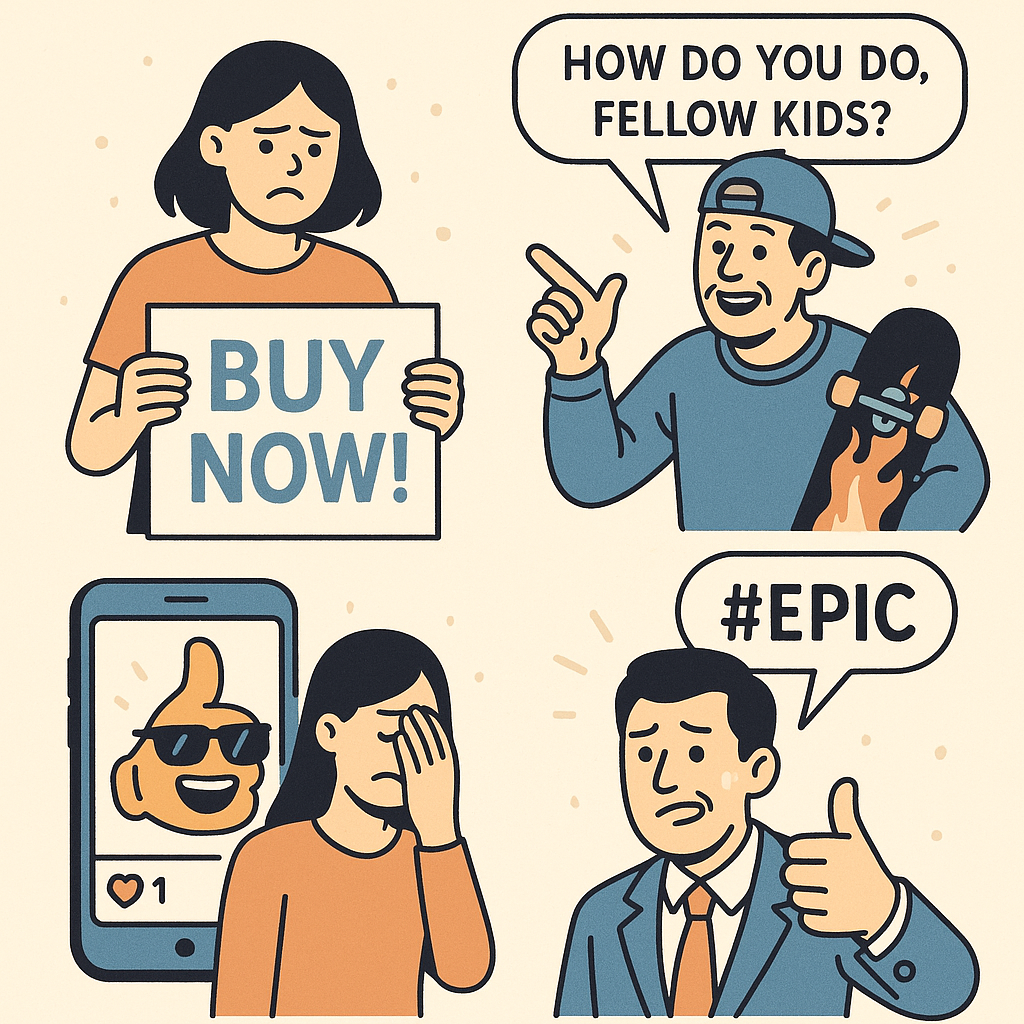
Cringe marketing is a deliberately unconventional approach that leverages awkwardness, offbeat humor, or social discomfort to capture audience attention. Brands using this tactic intentionally craft campaigns that are 'so bad they're good,' often subverting expectations and pushing boundaries of mainstream appeal. The underlying logic is paradoxical: by making consumers uncomfortable or amused in a relatable way, brands become memorable, sparking conversations both online and offline. Cringe marketing thrives in today's meme-centric digital culture, where authenticity and emotional response matter as much as polished presentation.
Psychologically, cringe content activates a mix of emotional responses—secondhand embarrassment, surprise, or amusement—that prompt audiences to react and share. The viral potential is rooted in these strong emotional triggers, which can override traditional ad skepticism. Socially, cringe campaigns invite communities to participate by reacting, parodying, or remixing content, thus further amplifying reach. Online platforms, particularly TikTok and Twitter, reward this kind of high-engagement content with algorithmic boosts, accelerating virality and fostering community in-jokes around the brand.
While critics might argue that this tactic is risky or even counterproductive, research into digital virality indicates that content sparking intense emotional responses—positive or negative—tends to travel further and faster online [1]. Audiences crave authenticity, and cringe campaigns, when executed with self-awareness, can create a sense of relatability that more polished campaigns may lack. However, these benefits are not universal, and careful calibration is required to avoid potential backlash or alienation of certain demographics.
Models of Success: When Cringe Goes Right
Not every cringe campaign leads to disaster; several brands have transformed awkwardness into viral gold. One prominent example is Wendy’s social media strategy, which features deliberately awkward roast battles and humor. The fast-food chain’s unapologetically offbeat tone resonated with younger audiences, turning cringe into a badge of authenticity and driving significant engagement across platforms [2]. The blend of self-aware humor and direct interaction cultivated a cult following, with fans actively amplifying each campaign.
Another notable case is Old Spice’s “The Man Your Man Could Smell Like,” which embraced absurdity and camp to memorable effect. The campaign’s exaggerated awkwardness and surreal imagery not only stood out but also invited a wave of user-generated content and parodies, expanding reach far beyond traditional media channels. In both cases, brands were intentional in their approach—embracing the discomfort as part of a cohesive identity rather than stumbling into it accidentally.
What distinguishes successful cringe marketing is a combination of self-awareness, audience understanding, and precise timing. Marketers who anticipate audience reactions and prepare to steer conversations can turn even polarizing campaigns into lasting cultural moments. However, these successes rely on ongoing feedback loops and willingness to adapt; what works for one brand or demographic may not translate elsewhere, underscoring the importance of context and thoughtful execution.
Pitfalls: When Virality Becomes Brand Risk
While the rewards of cringe marketing can be substantial, the risks are equally significant. When campaigns misjudge their audience or fail to anticipate cultural sensitivities, the result can be swift backlash, reputational harm, and lost revenue. A well-known example is the Pepsi ad featuring Kendall Jenner, which attempted to use protest imagery in a lighthearted way but was widely criticized as tone-deaf and exploitative [3]. The backlash led to the ad’s quick removal and forced apologies, illustrating how misapplied cringe can undermine trust and brand equity.
Other campaigns have suffered from failing to gauge the boundaries of acceptable humor or awkwardness. When brands appear to be mocking their audience, making light of serious issues, or displaying a lack of self-awareness, cringe quickly becomes a liability. Negative virality can drive mass unfollows, spark critical media coverage, and alienate key demographics—outcomes that are often difficult and costly to reverse. As digital culture continues to evolve, audience expectations around authenticity and inclusivity become more nuanced, raising the stakes for marketers.
Mitigating these risks requires diligent pre-campaign testing, ongoing social listening, and a willingness to pivot rapidly in response to audience feedback. Ethical marketing guidelines should be prioritized, including clear boundaries around sensitive topics and respect for diverse perspectives. When in doubt, brands should err on the side of caution, as even a single misstep can have long-term consequences for reputation and consumer trust.
Engagement Playbook: Making Cringe Work for Virality
For brands considering cringe marketing as a strategy, a structured approach can help harness its potential while minimizing downsides. First, marketers should begin with deep audience research, understanding not only demographic factors but also the subcultural memes, humor styles, and emotional triggers relevant to their target segments. Piloting concepts through small focus groups or social listening can provide early signals on whether a campaign is likely to land positively or backfire.
Second, successful cringe marketing is rooted in self-awareness and a sense of fun, rather than derision or insensitivity. Brands should strive for a tone that is playful and authentic, acknowledging their own awkwardness or flaws in a way that audiences can relate to. Monitoring real-time feedback during campaign rollouts is crucial; agile brands can adapt messaging, amplify positive engagement, and swiftly address criticisms, turning potential risks into opportunities for dialogue.
Finally, amplifying cringe content requires strategic integration with broader marketing efforts. Memes, user-generated content, and influencer collaborations can extend reach and reinforce the sense of community around a brand. However, marketers should also establish clear guardrails, ensuring campaigns align with organizational values and ethical standards. When executed thoughtfully, cringe marketing can foster genuine brand affinity and drive meaningful viral engagement, but the line between boldness and misstep is thin and must be navigated with care.
The Psychology of Sharing: Why Awkwardness Captivates Audiences
At the heart of cringe marketing’s viral power lies the psychology of social sharing. Humans are naturally drawn to content that evokes strong, mixed emotions—especially embarrassment or discomfort observed in others. This phenomenon, known as “benign masochism,” suggests people enjoy certain negative emotions in safe contexts, like watching awkward videos or cringe humor [4]. For brands, this provides a mechanism to foster attention: the more an ad makes viewers squirm (without genuine harm), the more likely it is to be discussed and shared.
Cringe campaigns also tap into group dynamics, as people share awkward content to signal in-group awareness or showcase their own taste. The participatory nature of social media amplifies this effect; users remix, parody, or riff on cringe ads, fueling viral loops that extend reach and brand recall. The line between genuine appreciation and ironic enjoyment blurs, further cementing a brand’s presence in digital culture. However, this dynamic depends on striking a balance between discomfort and relatability—too much of the former can repel, while just enough can create a lasting impression.
It is important to note that cultural context plays a significant role in what is perceived as cringe versus clever. Brands considering this strategy should approach it with humility, embracing feedback and remaining open to course corrections as social norms evolve. This agility and willingness to adapt can be the difference between fleeting embarrassment and enduring virality.
Measuring Impact: Metrics and Outcomes of Cringe Campaigns
Assessing the effectiveness of cringe marketing requires more nuanced metrics than traditional advertising. While impressions and views matter, they are not the sole indicators of success; engagement quality, sentiment analysis, and cultural footprint are equally critical. Brands must monitor not just how often content is shared but also the tone and substance of conversations. High levels of engagement accompanied by positive or playfully ironic commentary can signal a successful campaign, while spikes in negative sentiment warrant rapid response and potential recalibration.
Beyond digital analytics, measuring brand lift, recall, and long-term affinity are essential. Tools like brand sentiment trackers, meme trend analysis, and user-generated content monitoring can offer deeper insights into how cringe campaigns are received. For example, Wendy’s measured its Twitter engagement by both the number of mentions and the net sentiment score, allowing for real-time adjustments to its strategy [2]. This data-driven approach helps marketers optimize future campaigns and maintain a pulse on shifting audience perceptions.
It should be acknowledged that not all impact is immediate. Some cringe campaigns spark initial backlash but evolve into cult favorites, while others lose steam quickly. Marketers should take a holistic, long-term view, incorporating both quantitative and qualitative measures to evaluate success. Consistent post-campaign review processes are essential for learning and adaptation in this rapidly changing space.
Future Trends: How Cringe Marketing May Evolve
Looking forward, cringe marketing is poised to remain a relevant, though challenging, tool for brand virality. As digital culture fragments and attention spans shorten, brands may increasingly rely on unconventional tactics to break through the noise. However, the proliferation of artificial intelligence in content creation and moderation could make it harder for truly original cringe to emerge, as algorithms tend to favor safe, established trends [5]. Brands that succeed will likely be those that harness human creativity, embrace self-aware awkwardness, and foster genuine dialogue with audiences.
Emerging platforms like TikTok and Discord provide fertile ground for experimental, participatory cringe campaigns. The trend toward ephemeral and short-form content could further amplify the shareability of awkward moments, though the risks of rapid backlash remain. Marketers may need to invest more in real-time monitoring, agile response teams, and robust ethical frameworks to navigate the evolving landscape responsibly. Predicting the exact trajectory of cringe marketing is challenging, but the core principle endures: brands that dare to be different, while respecting audience boundaries, can potentially achieve lasting cultural relevance.
Ultimately, cringe marketing’s future will be shaped by societal attitudes toward authenticity, humor, and inclusivity. By staying attuned to these shifts and approaching the tactic with humility and creativity, brands can continue to harness awkwardness for positive, viral impact—if not always without controversy.
