The Rise of AI-Generated Weirdness in Viral Media
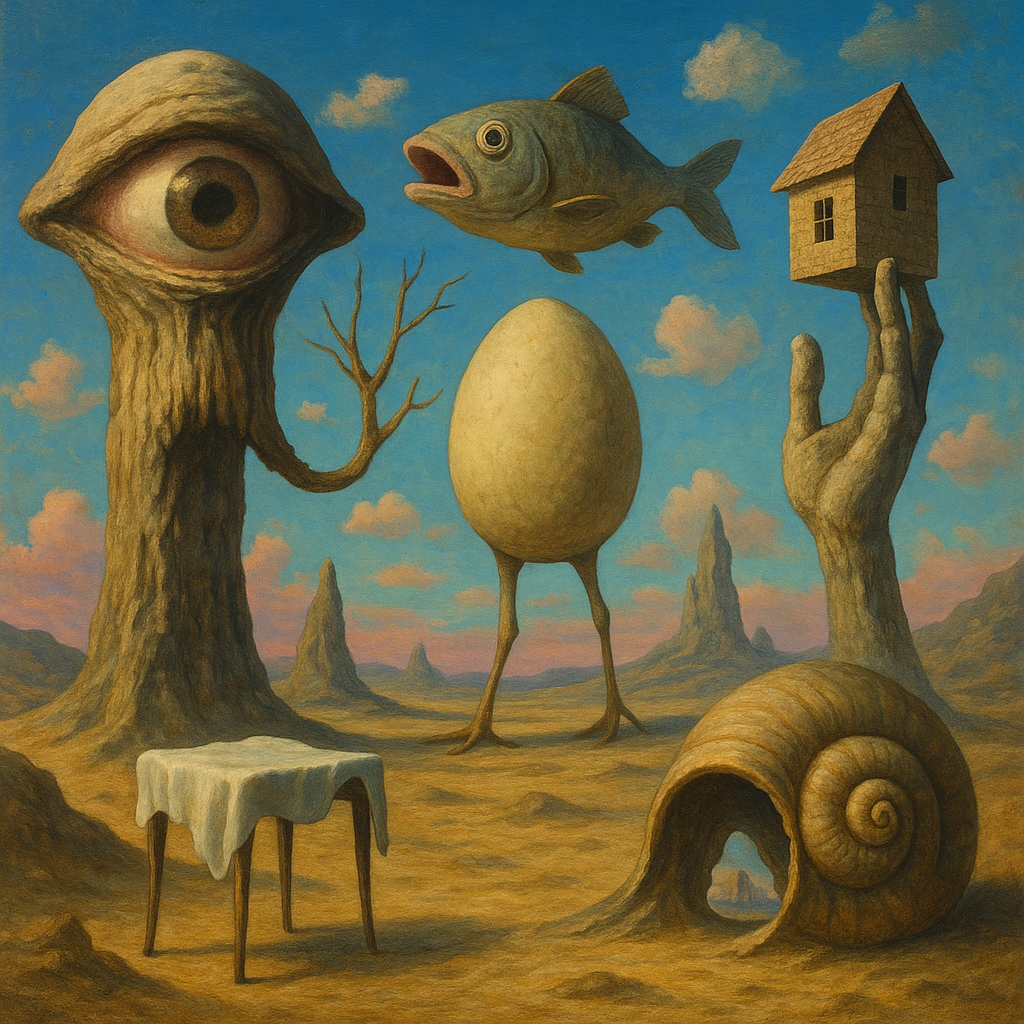
Over the past decade, the landscape of viral media has been fundamentally reshaped by artificial intelligence (AI). What was once the domain of human creativity and spontaneity is now increasingly influenced, and sometimes dominated, by algorithmically generated content. This phenomenon, sometimes dubbed 'AI-generated weirdness,' refers to the unexpected, surreal, and often humorous outputs produced by AI systems when given open-ended tasks such as generating text, images, or videos. These outputs range from strange memes and quirky chatbot conversations to photorealistic yet uncanny deepfakes. The viral nature of such content underscores society’s fascination with the novel and the bizarre, as well as AI’s role in amplifying these elements across digital platforms. The rise of AI-generated weirdness is not only transforming the way content is created but also challenging our understanding of authorship, authenticity, and creativity.
Several factors have contributed to this trend. Rapid advancements in machine learning, especially in natural language processing (NLP) and generative adversarial networks (GANs), have made it easier to produce AI content that mimics or even exaggerates human expression. Social media platforms provide fertile ground for these creations to spread quickly, while algorithms designed to promote engagement tend to favor content that stands out—often the weirder, the better. This dynamic has led to a feedback loop in which the most offbeat or inexplicable AI-generated content garners attention, inspiring further experimentation and dissemination. The interplay between technology and cultural appetite for novelty ensures that AI-generated weirdness is likely to remain a fixture of viral media for the foreseeable future.
Section Summary
AI-generated weirdness is reshaping viral media by producing unexpected content that thrives on digital platforms' appetite for novelty.
Understanding the Mechanisms Behind AI-Generated Weirdness
At the heart of AI-generated weirdness are the algorithms that drive the generation of new content. Generative models, such as OpenAI’s GPT series for text and various GANs for images and video, are trained on vast datasets culled from the internet. This training allows AI to learn patterns, styles, and contexts but also means that these systems sometimes misinterpret or remix information in ways that humans find odd or unexpected. For example, a text generator might create sentences that are grammatically correct but contextually absurd, while an image generator might produce visual outputs that combine familiar elements in entirely unfamiliar arrangements. These outputs are often perceived as 'weird' because they fall into the so-called 'uncanny valley'—they are almost, but not quite, convincingly human or logical.
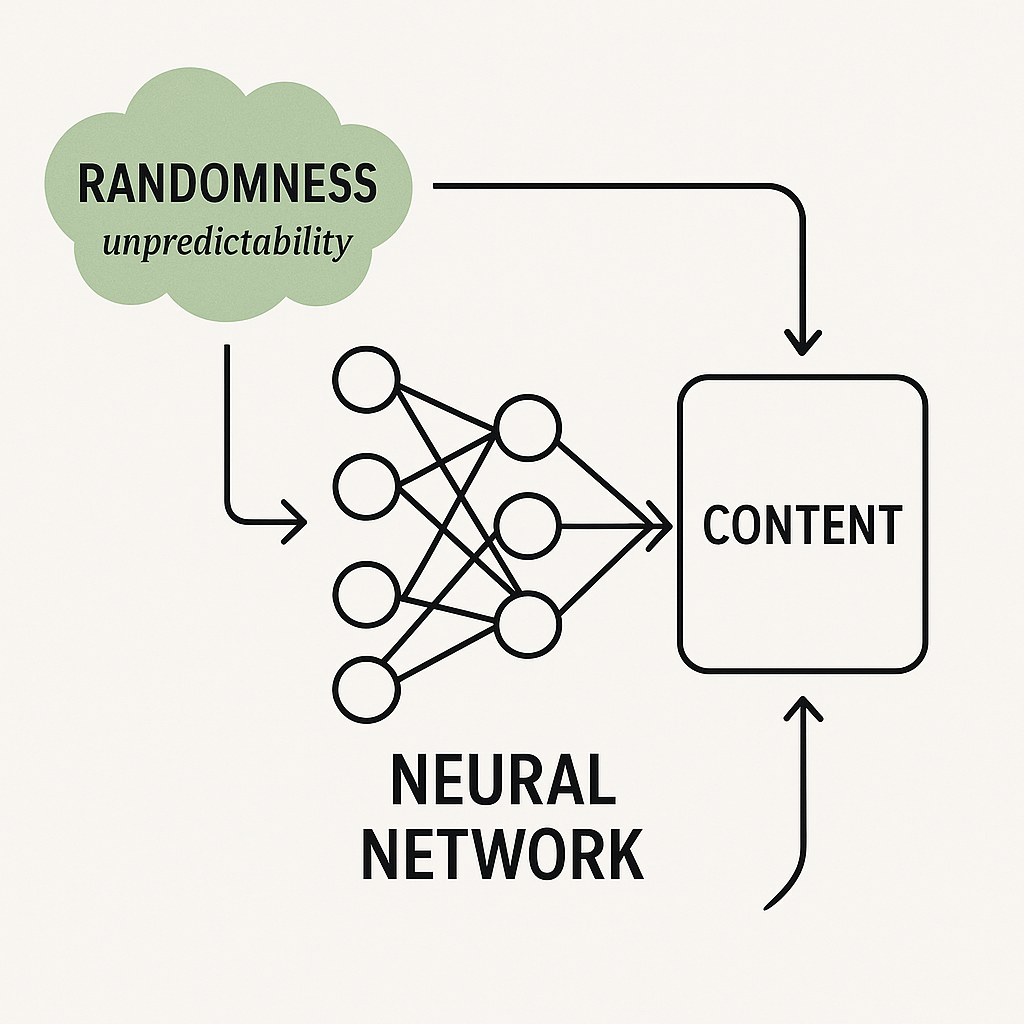
Importantly, the design of these systems intentionally allows for a degree of randomness and unpredictability, as true creativity often requires breaking from established patterns. Developers may fine-tune models to produce more surprising or amusing outputs, especially in entertainment contexts. However, because AI lacks genuine understanding or intent, the resulting content can reflect biases, errors, or combinations that make little sense to human observers. This unpredictability is both a strength and a challenge: while it can lead to viral moments and creative breakthroughs, it can also result in confusion or unintended consequences. Thus, the mechanisms that enable AI-generated weirdness are closely linked to both the technical capabilities and limitations of current AI technologies.
Section Summary
AI-generated weirdness arises from advanced generative algorithms that remix learned data, resulting in outputs that surprise or confound human expectations.
Memes, Deepfakes, and Chatbots: Real-World Examples
AI-generated content manifests across viral media in diverse forms, each showcasing different facets of digital weirdness. One of the most visible examples is the AI meme, where text-to-image models like DALL-E or Stable Diffusion produce bizarre and humorous images based on outlandish prompts. These memes often gain rapid traction on platforms such as Reddit and Twitter, with users sharing the most outlandish results. Similarly, AI-powered chatbots, such as ChatGPT and Meta's BlenderBot, sometimes provide responses that are unintentionally funny or surreal, creating viral moments that spark online discussions about AI's capabilities and limitations.
Deepfakes represent another layer of AI-generated weirdness, using GANs to synthesize realistic images or videos of people saying or doing things they never actually did. While deepfakes have raised legitimate ethical concerns regarding misinformation, they are also frequently used in playful or satirical contexts. For instance, viral videos placing celebrities in unlikely scenarios or inserting public figures into classic films often rely on deepfake technology. These instances highlight both the creative and disruptive potential of AI in the realm of viral media, illustrating how the line between authenticity and fabrication is increasingly blurred. Each of these examples demonstrates the diverse ways AI-generated weirdness captures the public imagination and drives engagement across digital platforms.
Section Summary
AI-generated memes, deepfakes, and chatbots showcase the breadth of weirdness in viral media, blending entertainment with challenges to authenticity.

Cultural Impact: Humor, Creativity, and the Question of Authenticity
The influence of AI-generated weirdness extends beyond mere amusement, prompting deeper cultural shifts in how people interpret and interact with digital content. On the positive side, AI-generated memes and videos inspire new forms of creative expression, enabling artists and everyday users alike to experiment with formats that were previously inaccessible or labor-intensive. This democratization of content creation opens the door to a broader range of voices and ideas, fostering an environment where unexpected and unconventional art can flourish. Humor derived from AI’s oddities often serves as a bridge between technology and culture, helping audiences to engage with emerging tools in approachable ways.
However, the proliferation of AI-generated content also raises pressing questions about authenticity and trust. As AI tools become more sophisticated, distinguishing between genuine human-generated media and algorithmic output becomes increasingly difficult. This blurring of boundaries can undermine confidence in the veracity of information encountered online, particularly as deepfakes and synthetic text are used not only for entertainment but also for more nefarious purposes. The challenge for society is to navigate the benefits of AI-driven creativity while developing norms and tools to verify content authenticity. The ongoing conversation about AI-generated weirdness thus reflects broader societal debates about technology’s place in shaping culture and meaning.
Section Summary
AI-driven weirdness enriches creativity and humor but complicates how audiences discern authenticity in digital media.
Risks, Ethics, and Responsible AI Content Creation
With the increasing prevalence of AI-generated weirdness comes a set of ethical challenges that demand careful consideration. The ability of AI to produce convincing yet fabricated images, videos, and texts introduces the risk of misinformation and manipulation, particularly when such content is used to deceive or influence public opinion. Deepfakes, in particular, have been at the center of concerns regarding identity theft, political disinformation, and the erosion of public trust in media. As AI models become more accessible, the potential for misuse grows, highlighting the need for robust safeguards and ethical guidelines governing content creation and dissemination.
Developers and platforms are responding by implementing tools to detect and label AI-generated content, as well as by promoting transparency in how AI systems are trained and deployed. Industry groups and policy makers advocate for responsible AI practices, including bias mitigation and accountability mechanisms. For individual users, developing digital literacy skills is essential to navigate an environment where not everything is as it appears. Ultimately, fostering an ethical approach to AI-generated weirdness requires collaboration between technologists, regulators, creators, and the broader public. By recognizing both the opportunities and risks, stakeholders can work toward a media ecosystem that is innovative, inclusive, and trustworthy.
Section Summary
Managing the risks of AI-generated weirdness hinges on ethical practices, transparent policies, and increased digital literacy among users.
Looking Ahead: The Future of AI-Generated Weirdness
As AI technologies continue to evolve, the landscape of AI-generated weirdness in viral media is poised for further transformation. Emerging models, such as multimodal generative AI capable of producing text, images, and audio in combination, promise even more creative and unexpected outputs. These advancements could open up new possibilities for entertainment, education, and artistic collaboration, while also introducing fresh ethical dilemmas and challenges for content moderation. The boundaries of what is considered 'weird' or surprising may shift as audiences become more accustomed to algorithmic creativity, raising questions about the evolving standards of originality and authenticity.
While it is difficult to predict the full extent of AI’s impact on viral media, it is clear that ongoing dialogue and adaptive policy will be critical. As society continues to grapple with the opportunities and risks associated with AI-generated content, collaboration between technologists, creatives, regulators, and users will shape the norms and values guiding this space. Encouraging responsible experimentation, fostering digital literacy, and maintaining ethical oversight could help ensure that the future of AI-generated weirdness remains both vibrant and constructive. Readers are encouraged to engage thoughtfully with AI-powered content and participate in conversations about its role in shaping the digital world.
Section Summary
The future of AI-generated weirdness will be shaped by ongoing innovation, ethical dialogue, and active public engagement in digital culture.
