Introduction: The Lure of Celebrity Health Trends
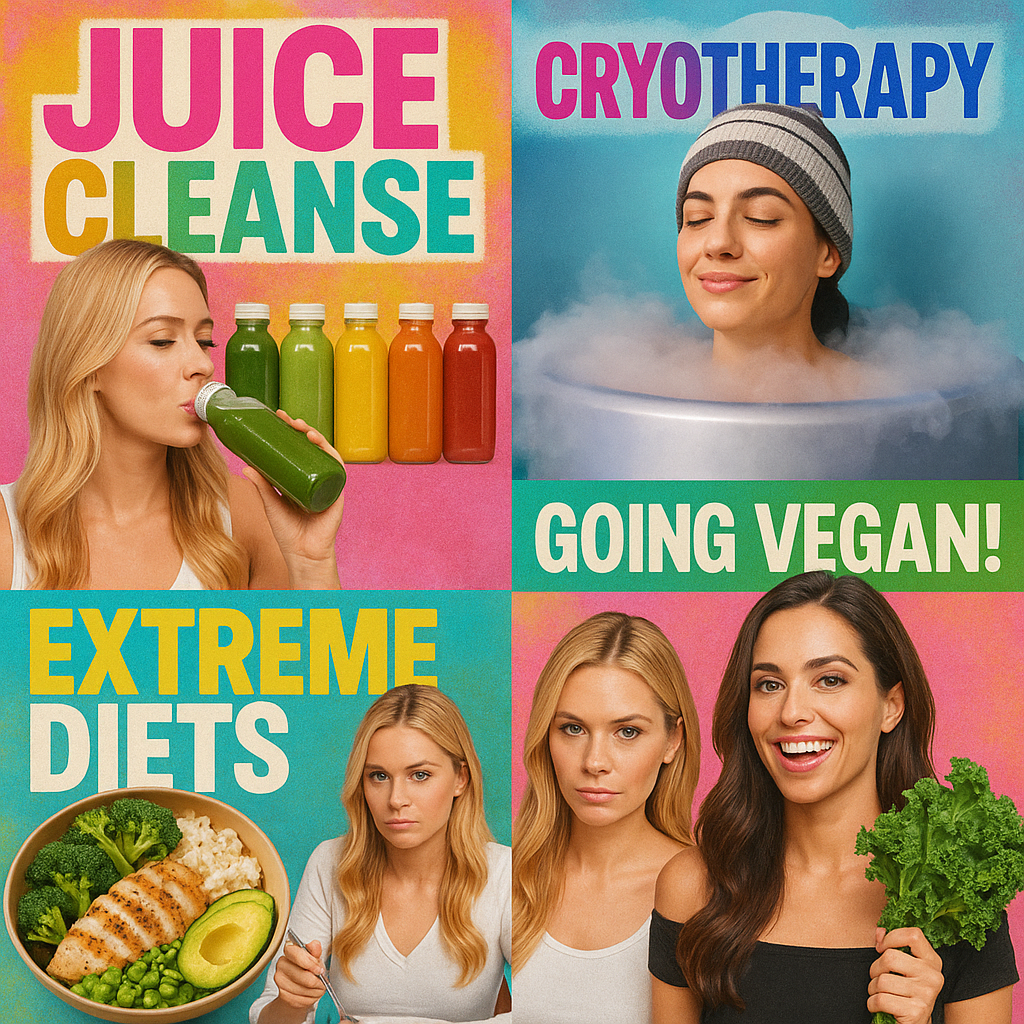
In today's media landscape, celebrity-endorsed health fads often capture public imagination, influencing dietary choices, wellness routines, and even broader societal norms. From detox teas to unconventional therapy sessions, the allure of a celebrity’s lifestyle can lead many to explore or even adopt health practices that might seem unorthodox—or outright strange—when viewed through a scientific lens. This fascination is not new, but the speed and reach of social media have amplified the visibility and adoption of such trends more than ever before. Fans frequently turn to their favorite stars not only for entertainment but for lifestyle inspiration, blurring the line between credible advice and eccentric experimentation. While some celebrity-backed wellness movements have roots in genuine health sciences, others may lack evidence or, in rare cases, pose risks. Recognizing the emotional resonance of these trends is important; many people seek a sense of community or hope for transformative outcomes. Yet, it remains crucial for individuals to evaluate these practices critically, considering both the motivation behind a craze and its potential real-world effects on wellbeing. As this article will explore, separating fact from fiction in the world of celebrity health fads is not always straightforward, but it is necessary for making informed, inclusive, and safe health choices.
Summary: Celebrity health trends continue to shape wellness culture, making critical analysis essential for informed decisions.
Juice Cleanses and Detox Teas: The Science Behind the Hype
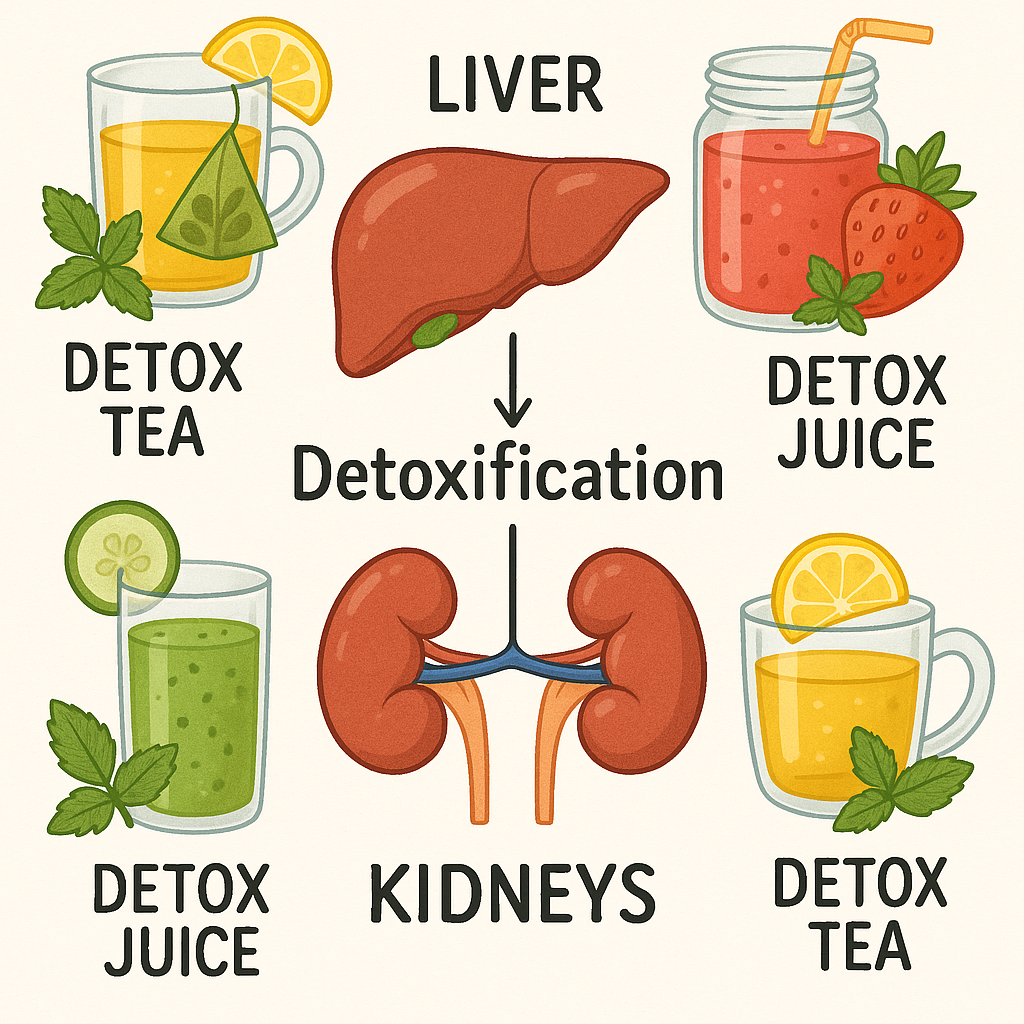
Among the most prominent celebrity health crazes are juice cleanses and detox teas, endorsed by a variety of public figures aiming to promote quick weight loss or a “reset” of the body. Notable celebrities such as Gwyneth Paltrow and the Kardashians have shared their experiences with these regimens, often describing dramatic before-and-after results on social media. However, scientific scrutiny reveals that while these methods can lead to short-term weight reduction, primarily due to calorie restriction and water loss, there is limited evidence supporting claims of toxin elimination or sustainable health benefits. For instance, the human body already possesses effective detoxification systems, chiefly the liver and kidneys, which work continuously to process and eliminate harmful substances without the need for supplementation [1].
Despite these facts, the appeal of rapid transformation and the strong testimonials from well-known personalities continue to drive the popularity of these fads. It is important to note that some detox products may contain laxatives or diuretics, potentially leading to dehydration or electrolyte imbalance if used excessively. While moderate fruit and vegetable consumption is generally beneficial, exclusive reliance on juices or teas may fail to provide adequate nutrition, especially over prolonged periods. Therefore, individuals are encouraged to approach these regimens with caution, consulting healthcare professionals as needed to ensure safety and efficacy. The ongoing conversation surrounding detoxification highlights the need for balanced information and a critical perspective when evaluating health trends.
Summary: Juice cleanses and detox teas lack robust scientific support and may present risks if misused, despite their celebrity appeal.
Cryotherapy and Alternative Therapies: Trend or Treatment?
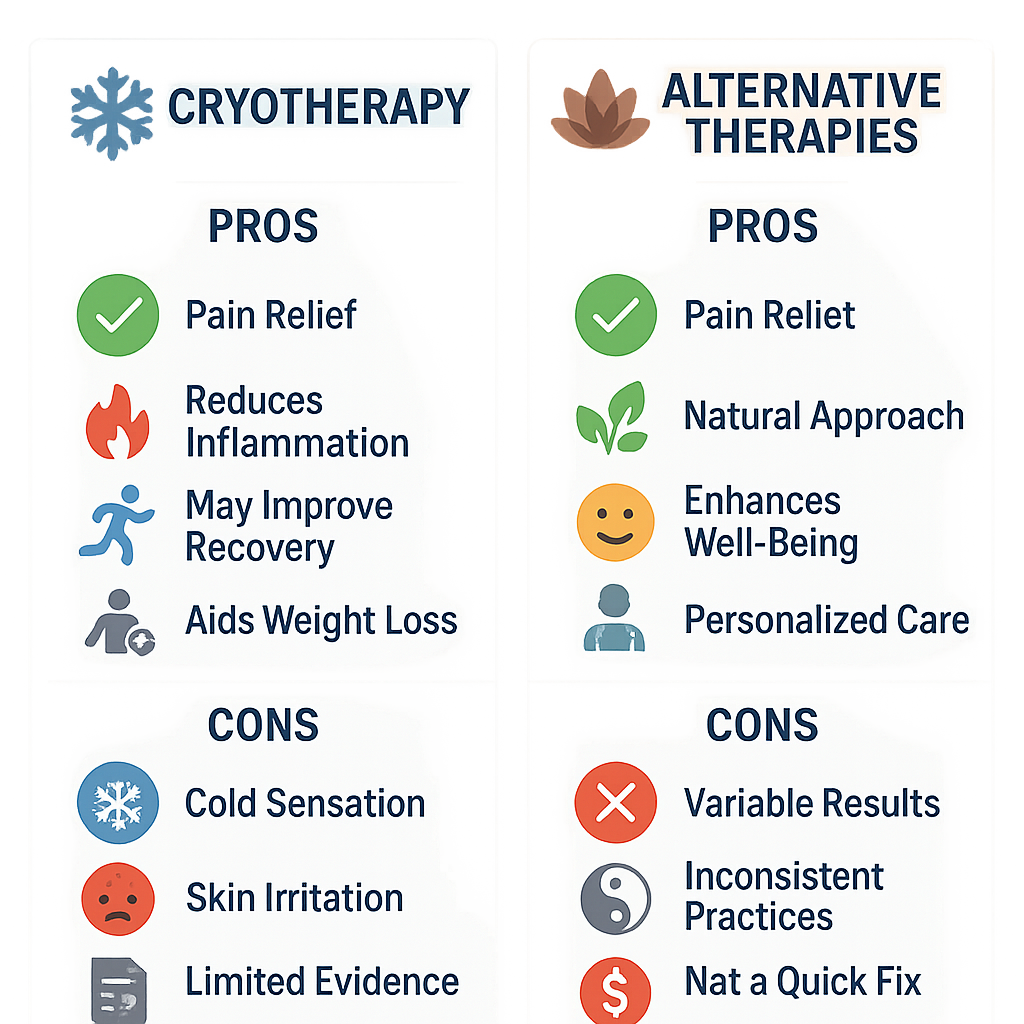
Cryotherapy, which involves brief exposure to extremely cold temperatures, has gained traction among athletes and celebrities alike for purported benefits ranging from muscle recovery to improved mental clarity. Figures like Tony Robbins and Cristiano Ronaldo have publicly endorsed cryotherapy, contributing to its mainstream appeal. Proponents claim that regular sessions can decrease inflammation, speed up recovery, and boost overall vitality. While preliminary studies suggest that cold exposure may temporarily reduce inflammation and soreness, comprehensive research confirming long-term benefits remains limited [2]. The U.S. Food and Drug Administration has not approved whole-body cryotherapy as a medical treatment, underscoring the importance of viewing such practices as adjunctive rather than primary therapies.
Beyond cryotherapy, other alternative therapies—such as cupping, infrared saunas, and IV vitamin drips—have also enjoyed time in the celebrity spotlight. For example, Michael Phelps’ visible cupping marks during the Olympics sparked widespread curiosity, yet the scientific community remains divided on its efficacy. Although some individuals report subjective improvements in wellbeing, controlled studies often yield mixed or inconclusive results. These trends exemplify how celebrity endorsements can spark curiosity and experimentation, yet consumers should remain mindful that anecdotal evidence does not equate to universal benefit. Consulting reputable healthcare sources and practitioners remains vital before embarking on any alternative therapy regimen.
Summary: Cryotherapy and alternative therapies attract celebrity attention, yet scientific support and regulatory approval vary significantly.
Extreme Diets: Keto, Paleo, and Beyond
Extreme dietary patterns frequently garner celebrity attention, with high-profile endorsements contributing to surges in public interest. Diets like ketogenic, paleo, and intermittent fasting have all been propelled into the mainstream by stars such as Halle Berry, Megan Fox, and Hugh Jackman, who credit these regimens for weight management, energy boosts, and improved health. The ketogenic diet, which involves high fat and very low carbohydrate intake, is medically recognized for managing certain epileptic conditions but is less established as a general wellness solution [3]. Research indicates that while some individuals may achieve short-term weight loss or metabolic changes, strict diets can be challenging to maintain and may not suit everyone’s needs or health conditions.
Paleo diets emphasize whole foods and eschew processed products, appealing to those seeking a “return to nature.” However, critics note that these patterns can be restrictive and may omit essential nutrients unless carefully planned. Intermittent fasting, involving cycles of eating and fasting, has demonstrated potential for weight regulation and metabolic improvements, but its long-term effects and suitability across diverse populations require further study. The visibility of celebrities following such regimens can inspire curiosity and experimentation, yet individuals should approach extreme diets with critical thinking and, ideally, with guidance from nutrition professionals to ensure balance and safety. Personalized approaches to nutrition often yield more sustainable and inclusive health outcomes.
Summary: Celebrity-endorsed extreme diets offer mixed results, emphasizing the need for individualized, evidence-based nutrition.
Biohacking and Longevity: A New Frontier
Biohacking represents a growing movement among celebrities seeking to optimize health and extend lifespan through unconventional means. From wearable tech to nootropics and experimental supplements, high-profile figures such as Tim Ferriss and Dave Asprey have championed a proactive, self-experimental approach to wellness. This frontier is marked by a willingness to push boundaries, with some biohackers integrating advanced technologies like continuous glucose monitors or exploring fasting-mimicking diets to measure their biological responses [4]. While biohacking is grounded in the pursuit of quantifiable improvement, scientific evidence supporting the safety and efficacy of many methods is still emerging. Some techniques, such as sleep optimization and regular physical activity, align with established health advice, but others, like unproven supplement use or unregulated therapies, present unknown risks.
The appeal of biohacking lies in its promise of agency and measurable progress, qualities that resonate with audiences eager to take control of their health destinies. However, experts caution that not all practices are created equal; some may yield genuine benefits, while others could inadvertently compromise health or lead to unintended consequences. Importantly, individualized results can vary widely, and rigorous long-term studies are needed to validate many claims. For those interested in biohacking, collaboration with healthcare professionals and reliance on peer-reviewed research are recommended to balance innovation with safety.
Summary: Celebrity-driven biohacking introduces innovative wellness practices but requires caution due to limited scientific validation.
Risks, Rewards, and the Role of Media
The rise of celebrity health fads is closely linked to the influence of media, which amplifies both the promise and the pitfalls of unconventional wellness trends. While media exposure can encourage positive changes—such as increased interest in exercise or healthy eating—it can also perpetuate myths, set unrealistic expectations, or normalize potentially harmful practices. For example, “before and after” transformations or endorsements of rapid detoxes may be presented without context regarding the effort, risks, or sustainability involved. Research has shown that repeated exposure to celebrity testimonials can shape beliefs and behaviors, sometimes leading people to forgo medical advice in favor of popular but unproven remedies [5].
The potential for reward lies in increased awareness and dialogue about health, but it is crucial for both media producers and consumers to prioritize accuracy and inclusivity. Efforts such as fact-checking, expert interviews, and balanced reporting contribute to more responsible dissemination of wellness information. Media literacy plays a pivotal role in helping audiences critically assess the veracity of health claims and make decisions aligned with their own needs. As celebrity trends continue to evolve, fostering a climate of healthy skepticism can support better outcomes for individuals and communities alike.
Summary: Media shapes perceptions of celebrity health trends, highlighting the need for critical analysis and responsible reporting.
Making Informed Choices: How to Navigate the Hype
In the era of viral wellness fads, making informed decisions requires a blend of curiosity, skepticism, and personal agency. While it is natural to be intrigued by celebrity-endorsed health routines, individuals benefit most from approaches grounded in credible science and tailored to their unique needs. Consulting licensed healthcare professionals, seeking out peer-reviewed research, and considering individual health status are key strategies for evaluating the potential merits and drawbacks of a given trend. It is also important to recognize the emotional drivers behind the desire to try new regimens, whether for community, inspiration, or hope of positive change.
Communities, organizations, and individuals can contribute to a more inclusive wellness culture by fostering open, judgment-free dialogue about health and by sharing both successes and setbacks in a supportive manner. As the landscape of celebrity health crazes continues to expand, ongoing education and a willingness to question the status quo will remain essential tools for safeguarding wellbeing. Readers are encouraged to remain engaged, share credible information, and consult professionals when considering major lifestyle changes—ensuring that health decisions support long-term happiness and quality of life.
Summary: Thoughtful evaluation and professional guidance empower individuals to safely navigate the ever-changing world of celebrity health fads.
