Why Wellness is Vulnerable to Misinformation
The pursuit of wellness, for many, is driven by a desire for better health, increased vitality, and a sense of empowerment. Ironically, these motivations often render health-conscious individuals more susceptible to misinformation. Research suggests that communities focused on wellness are frequently targeted by pseudoscientific claims, as their members tend to seek out novel solutions, value anecdotal success, and exhibit trust in nontraditional sources [1]. These factors combine to create an environment in which viral myths—such as miracle cures or detox diets—can flourish with minimal scrutiny.
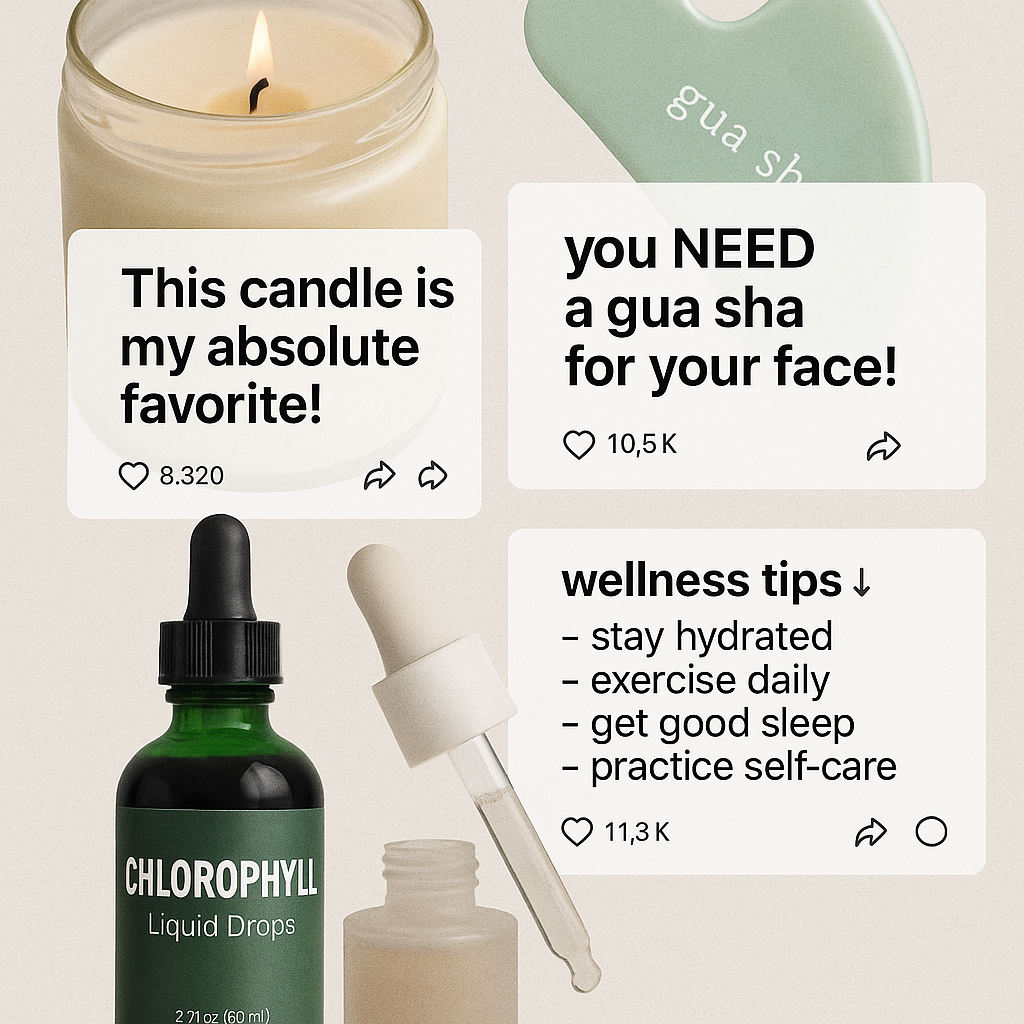
Wellness culture often encourages personal experimentation, making it easier for individuals to adopt and promote unverified practices. The rapid spread of information via social media amplifies these trends, especially when content is packaged as life-changing or endorsed by influencers. The echo chambers that form in online wellness communities further reinforce these beliefs, as members tend to seek validation rather than challenge prevailing narratives. This dynamic not only facilitates the proliferation of misinformation but also contributes to a culture of mistrust toward medical authorities, leaving health seekers even more vulnerable to deceptive claims.
Importantly, the terminology used in wellness marketing—such as 'natural,' 'clean,' or 'holistic'—can impart an unwarranted sense of safety and efficacy. Without robust scientific backing, these labels can mislead even the most well-intentioned individuals. As such, understanding the psychological and structural reasons behind the vulnerability of wellness enthusiasts is crucial for developing effective countermeasures against health misinformation.
Section summary: Wellness seekers' openness to new ideas and distrust of mainstream sources can make them targets for viral health misinformation.
Social media's role in spreading wellness fads
Famous Hoaxes and Their Harmful Consequences
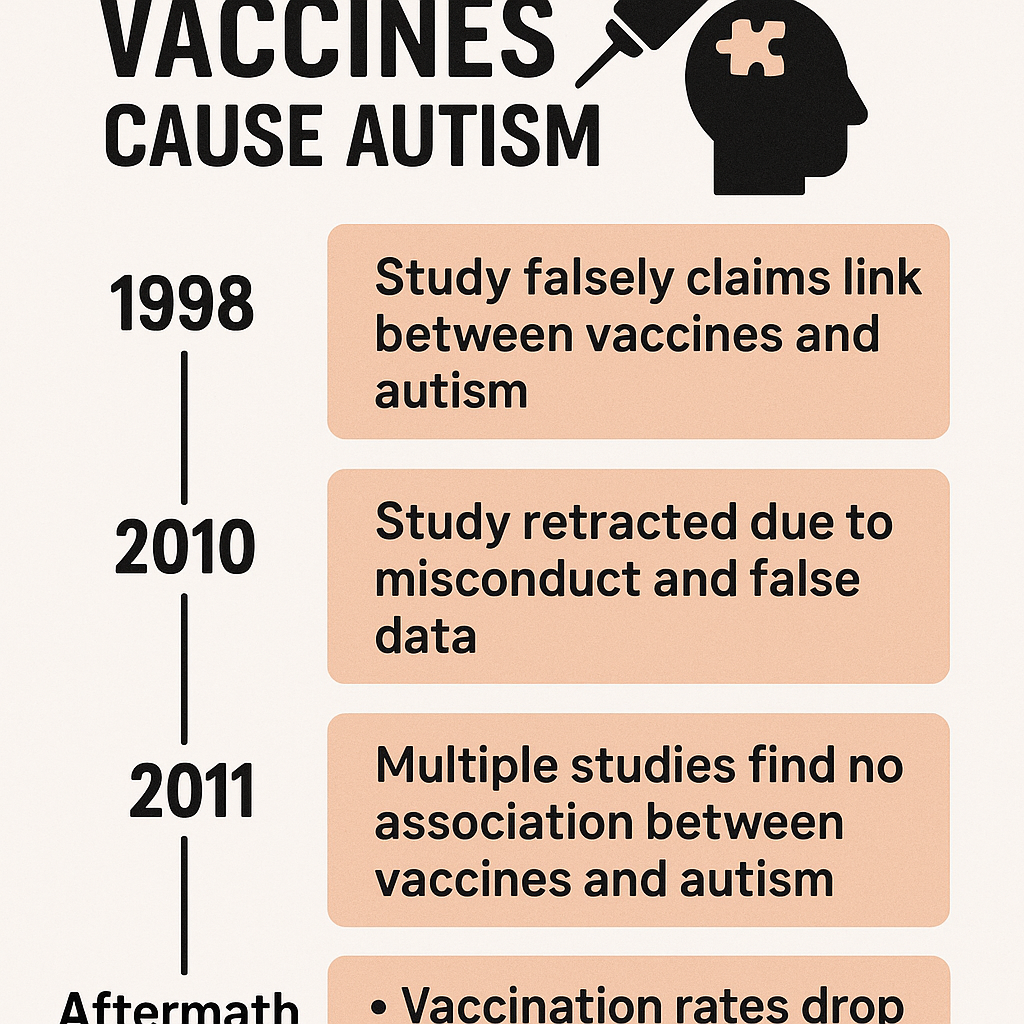
Some of the most notorious health hoaxes have caused significant harm—ranging from individual health crises to widespread public health emergencies. The anti-vaccine movement, which gained traction through viral misinformation in the early 2000s, remains one of the most damaging examples. Despite overwhelming scientific evidence confirming vaccine safety and efficacy, rumors falsely linking vaccines to autism led to declining immunization rates and resurgences of preventable diseases, such as measles and mumps [2]. The consequences have been dire: outbreaks, hospitalizations, and even preventable deaths.
Another prevalent hoax involves so-called detox cleanses and miracle supplements. These products are frequently marketed with bold promises but lack credible evidence. Some detoxes, such as extreme juice fasts or unregulated herbal pills, have resulted in electrolyte imbalances, organ damage, and financial exploitation [3]. Even more subtle fads—like claims that alkaline water can cure chronic diseases—have been debunked, yet continue to circulate widely, often due to influential endorsements and viral marketing campaigns.
The proliferation of these myths is not without consequence. Individuals may forgo effective medical treatment in favor of unproven therapies, risking disease progression and avoidable complications. On a broader scale, these trends erode public trust in scientific institutions and healthcare professionals, undermining the societal capacity to respond to real health threats.
Section summary: Famous wellness hoaxes have caused harm by spreading false hope and discouraging evidence-based care.
The impact of viral wellness misinformation
Mechanisms of Misinformation: How Hoaxes Go Viral
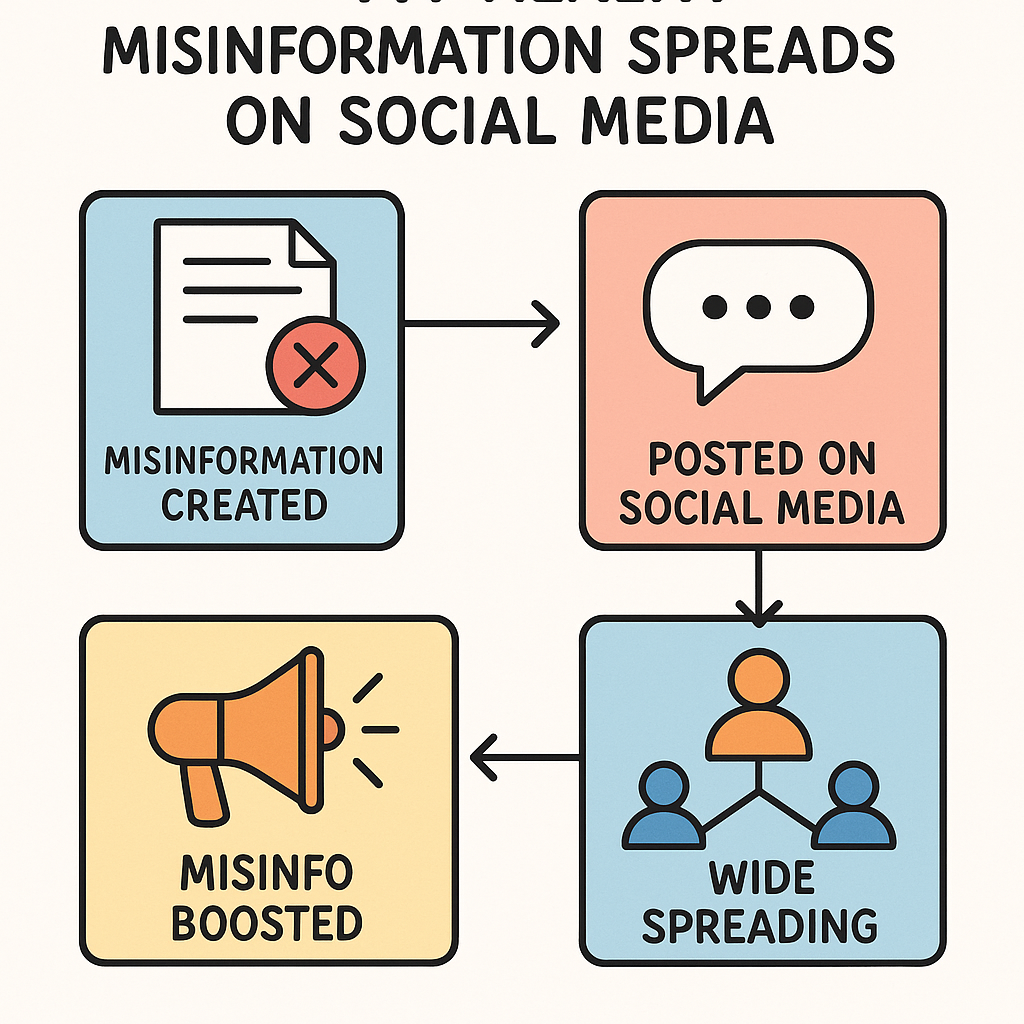
Understanding how misinformation spreads is essential to combating its effects. Social media platforms, with their algorithm-driven feeds and rapid sharing functions, are particularly adept at amplifying sensational health claims. Viral wellness hoaxes often begin with a compelling story—perhaps an individual claiming a miraculous recovery or a new study touted as a breakthrough. These narratives are quickly picked up by influencers, who lend credibility and a personal touch to the message. As the content is shared and re-shared, it gains perceived legitimacy, even if the original claim lacks scientific support [4].
Another mechanism involves the exploitation of cognitive biases. Confirmation bias, for example, leads individuals to seek out information that supports their existing beliefs, while ignoring evidence to the contrary. In wellness communities, this can result in echo chambers where misinformation is continually reinforced and seldom challenged. In addition, misinformation often exploits the 'illusory truth effect'—the phenomenon where repeated statements are more likely to be perceived as true, regardless of their factual accuracy.
Complicating matters further, many wellness influencers employ marketing tactics that blur the line between personal testimony and scientific evidence. Disclaimers about products are often buried in fine print, while emotionally charged language and fear appeals can motivate hasty, uncritical acceptance of dubious claims. Recognizing these mechanisms is the first step toward building resilience against health hoaxes.
Section summary: Social media, cognitive biases, and persuasive marketing enable wellness misinformation to spread rapidly and widely.
Viral pathways for health hoaxes
The Real-World Impact: Stories from the Frontlines
The tangible consequences of wellness hoaxes can be found in personal stories and public health statistics alike. Take the case of a widely shared 'miracle cancer cure' promoted online, which led some patients to abandon proven therapies in favor of ineffective and sometimes harmful alternatives. Unfortunately, these decisions have, in certain instances, resulted in worsened medical outcomes or preventable deaths [5]. Such stories underscore the importance of critical thinking and the dangers of relying on anecdotal evidence over scientific consensus.
Public health data further illuminate the impact of misinformation. In the wake of anti-vaccine campaigns, for example, communities have seen dramatic spikes in vaccine-preventable illnesses. These outbreaks not only endanger vulnerable populations—such as infants and immunocompromised individuals—but also strain healthcare systems and contribute to rising medical costs. Similarly, the popularity of unproven weight-loss supplements and restrictive diets has been linked to nutritional deficiencies, metabolic imbalances, and, in rare cases, life-threatening complications [6].
It is crucial to approach such narratives with compassion and nuance. Many individuals who fall prey to hoaxes do so out of a genuine desire to improve their health or help loved ones. Stigmatizing or blaming victims is counterproductive; instead, a supportive and educational approach can empower people to make informed choices moving forward.
Section summary: Wellness misinformation can have severe real-life consequences, from personal harm to public health crises.
Personal stories reveal the cost of health myths
Spotting, Stopping, and Surviving Health Misinformation
Arming oneself with practical tools is key to resisting the allure of wellness hoaxes. The first line of defense is critical evaluation of sources. Readers should ask: Does this claim come from a reputable medical institution or peer-reviewed research? Are the individuals promoting it financially incentivized? Fact-checking against trusted sources—such as the World Health Organization or Centers for Disease Control and Prevention—can quickly debunk many viral myths [7].
Another valuable strategy is learning to recognize red flags: grandiose promises, lack of scientific citations, or urgent calls to action ('Buy now!'). Skepticism is warranted when claims rely solely on personal testimony or appeal to 'ancient wisdom' without modern validation. Participating in health communities that value evidence and respectful dialogue can provide a buffer against misinformation. Sharing reliable resources and discussing new trends with medical professionals can further reinforce informed decision-making.
Importantly, individuals should remain open-minded yet cautious. Wellness is a journey, and curiosity should be paired with critical thinking. By cultivating these skills, readers can build true health resilience—one grounded in knowledge, not hype.
Section summary: Fact-checking, source evaluation, and critical thinking help protect against viral health hoaxes.
Practical tips for resisting wellness misinformation
The Psychology of Belief: Why Smart People Fall for Wellness Hoaxes
It is a common misconception that only the uninformed fall victim to health misinformation. In reality, highly educated individuals—especially those with a strong interest in wellness—can be just as susceptible, if not more so. Psychological factors, such as motivated reasoning and optimism bias, often drive people to embrace claims that align with their desires for health improvement or control over uncertainty [8]. This explains why even medical professionals are occasionally drawn into alternative health fads or unsupported practices.
The human brain is wired to seek patterns, simplify complexity, and trust in stories over data. In the emotionally charged realm of health, narratives of transformation and recovery are particularly compelling. Social identity also plays a role: belonging to a wellness community can reinforce groupthink and discourage dissent. Additionally, constant exposure to persuasive marketing and influencer endorsements can erode skepticism, especially when claims are repeated over time.
Recognizing these psychological drivers is not a matter of shame, but a pathway to empowerment. By understanding why we are drawn to certain beliefs, we can better guard against manipulation and cultivate a more informed, compassionate approach to personal and communal health.
Section summary: Psychological biases and community identity can make even well-informed people vulnerable to wellness misinformation.
The subtle influence of psychology on health choices
Building a Resilient Wellness Community: A Call to Action
The journey toward a healthier, more informed wellness community is ongoing and requires collective effort. Individuals can contribute by sharing accurate information, supporting critical conversations, and encouraging transparency among influencers and brands. Health professionals play a crucial role as well, not only by providing evidence-based guidance but also by building trust and empathy with wellness-minded clients [9].
On a larger scale, social media platforms and regulatory agencies are increasingly recognizing their responsibility to curb the spread of health misinformation. While these efforts are promising, it is important to acknowledge that the digital landscape evolves rapidly, and new challenges will continue to emerge. Staying vigilant, advocating for accountability, and fostering digital literacy are vital components of long-term resilience.
Ultimately, the wellness movement’s greatest strength—its spirit of curiosity and self-empowerment—can be harnessed for good. By combining open-minded exploration with critical scrutiny, communities can build a foundation of trust, safety, and genuine well-being. Readers are encouraged to take an active role in this process, becoming ambassadors for truth in the ever-shifting world of health information.
Section summary: A resilient, informed wellness community can reduce the impact of viral health hoaxes and support authentic well-being.
Empowering communities to fight health misinformation
