Introduction: The Convergence of AI and Fitness Data
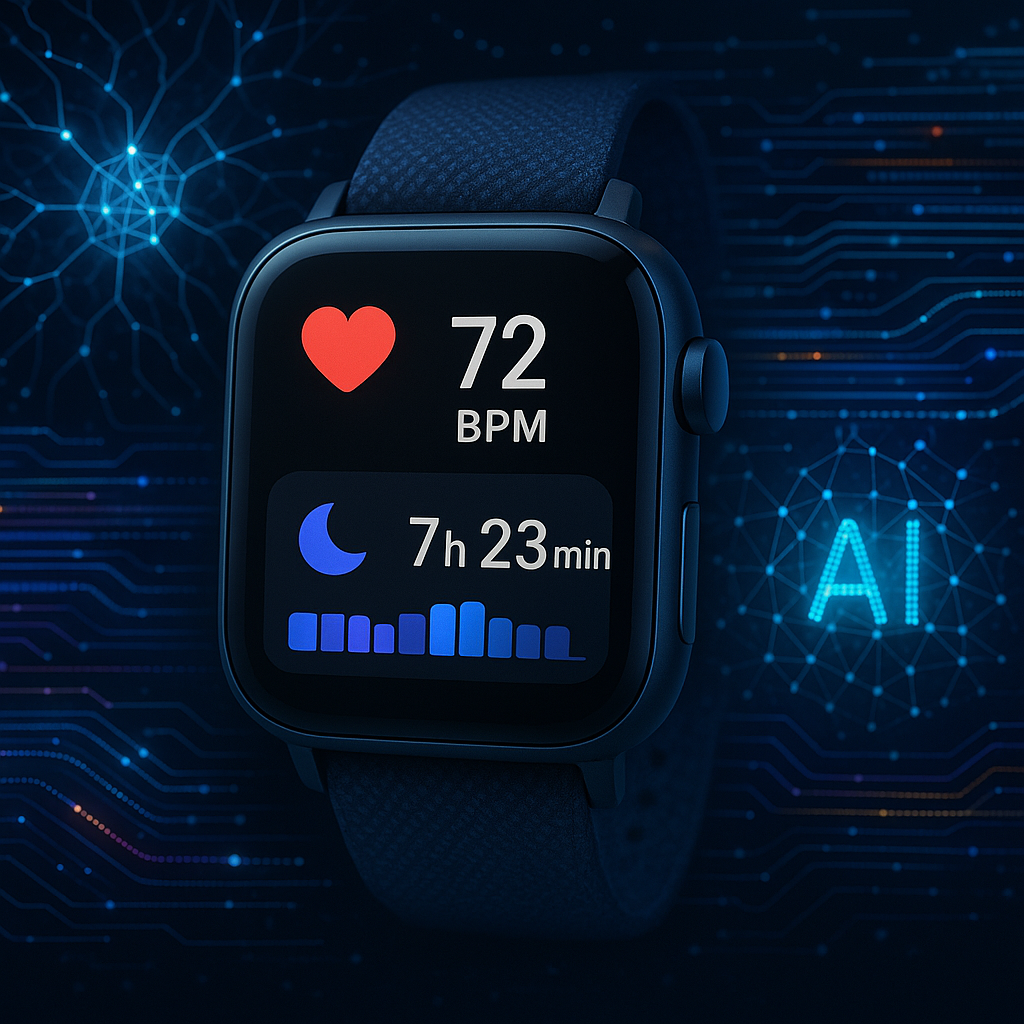
The modern landscape of health and wellness is experiencing a transformative shift as artificial intelligence (AI) merges with the explosion of data generated by fitness devices. From smartwatches that log every heartbeat to activity trackers monitoring sleep and steps, these tools have moved beyond novelty to become essential health companions for millions. This convergence presents an unprecedented opportunity: AI can decode the raw streams of data from fitness devices and translate them into meaningful, actionable insights that empower individuals to better understand and manage their health. The evolution of AI-augmented diagnostics is making sophisticated interpretation of health data accessible to general users, not just medical professionals. As more people seek proactive approaches to wellbeing, the marriage of AI and personal health data stands as a beacon of potential for preventative care and individualized recommendations.
Yet, as promising as these developments are, they introduce new complexities and questions. How accurate are AI interpretations? What ethical considerations arise when handling personal health information? And what does the future hold for integrating these insights into broader healthcare systems? Throughout this article, we will navigate these key questions, offering a balanced and inclusive exploration that accounts for both the current state and the emerging possibilities of AI-powered diagnostics in fitness technology.
For anyone curious about the intersection of technology and health, understanding this evolution is not just timely—it is essential. Together, let us unpack the potential and limitations of AI in interpreting fitness device data, ensuring that the conversation remains accessible, responsible, and engaging for readers from all walks of life.
The Explosion of Fitness Device Data
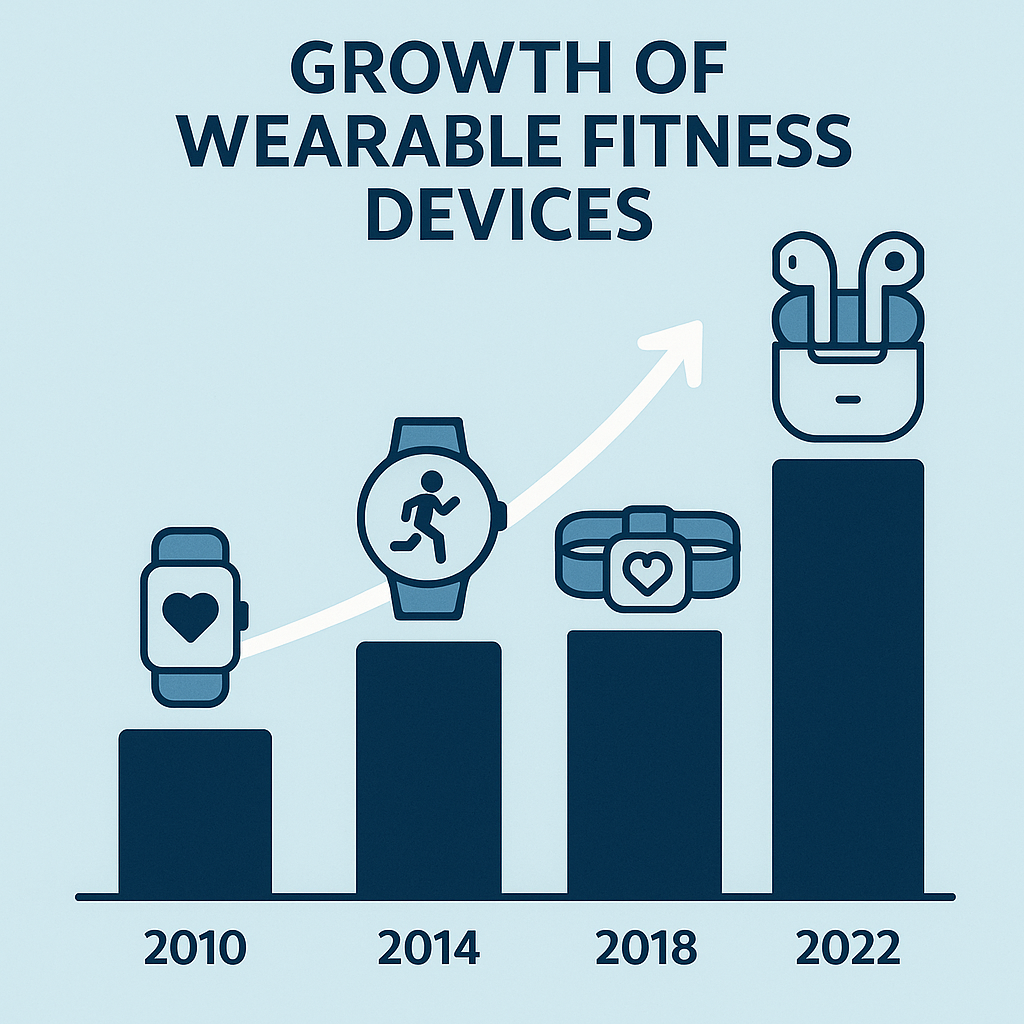
The proliferation of wearable fitness devices has led to a dramatic increase in the volume and variety of health-related data being captured daily. Globally, over 1 billion wearable devices were in use by 2022, generating vast datasets that include heart rate variability, sleep cycles, activity levels, and even blood oxygen saturation [1]. With each step tracked and every heartbeat recorded, individuals can now create comprehensive digital profiles of their physical wellbeing. This sheer abundance of data represents a treasure trove for analysis but also poses significant challenges in terms of interpretation, especially for non-experts who may struggle to discern meaningful patterns from raw numbers.
Notably, the diversity of metrics tracked by fitness devices has expanded beyond basic steps and calories burned. Modern wearables often include advanced sensors capable of detecting subtle physiological changes. For instance, continuous glucose monitors and electrocardiogram (ECG) features, once confined to clinical settings, are now accessible on consumer devices. However, without advanced tools, the significance of such data may remain opaque to users. This is where AI steps in, offering algorithms capable of parsing complex datasets to highlight trends and potential health risks. As wearables continue to evolve, the challenge of transforming raw data into practical knowledge becomes increasingly central to the value they deliver.
AI's Role in Decoding Fitness Data
Artificial intelligence has emerged as a critical intermediary in the translation of raw fitness data into actionable health insights. Machine learning models, trained on millions of data points, can recognize patterns and correlations that may elude human analysis. For example, AI-driven algorithms can detect arrhythmias by analyzing subtle fluctuations in heart rate variability, potentially alerting users to seek further medical evaluation [2]. Similarly, AI can contextualize sleep data, providing tailored feedback on sleep hygiene and suggesting strategies for improvement based on personal trends.
One of the most compelling aspects of AI-augmented diagnostics is its capacity for personalization. Rather than offering generic advice, these systems adapt recommendations based on individual user histories and preferences. For instance, someone training for a marathon may receive different recovery guidance than a user focused on general wellness. Moreover, AI's ability to aggregate data across diverse populations can help identify broader public health trends, offering valuable insights for healthcare providers and researchers alike. However, it is crucial to recognize that AI models are only as effective as the data they are trained on, and inherent biases or gaps in datasets can affect the accuracy of their interpretations. Ongoing refinement and validation of AI systems are therefore essential to ensure reliability and equity in their outputs.
Challenges in Data Accuracy and Interpretation
Despite their promise, AI-augmented diagnostics face notable hurdles, particularly regarding the accuracy and interpretability of fitness device data. Sensor technology has advanced considerably, but wearable devices remain subject to various sources of error. Factors such as improper device placement, inconsistent usage, or environmental conditions can skew data readings, potentially leading to misleading interpretations [3]. For example, an incorrectly worn heart rate monitor might report anomalous values that do not reflect a user's true physiological state.
Furthermore, while AI algorithms excel at identifying statistical correlations, they may sometimes generate false positives or miss rare but significant health events. The reliance on historical data for model training can also perpetuate existing biases, especially if certain populations are underrepresented in datasets. For users, this means that AI-powered insights should be approached as supportive tools rather than definitive diagnoses. Healthcare professionals advise that individuals use these systems as part of a broader health strategy, complementing, rather than replacing, traditional medical guidance. As the technology matures, ongoing collaboration between device manufacturers, AI developers, and healthcare providers is necessary to improve data integrity and ensure responsible use of AI-driven diagnostics.
Ethical Considerations and Data Privacy
As AI augments the interpretation of fitness device data, ethical considerations and privacy concerns become paramount. Personal health information is inherently sensitive, and the aggregation of such data by AI systems raises questions about consent, security, and potential misuse. Many consumers may not be fully aware of how their data is stored, processed, or shared with third parties. Instances of data breaches or unauthorized access can undermine trust and deter engagement with these technologies [4].
To address these challenges, robust privacy frameworks and transparent data governance policies are essential. Leading device manufacturers and AI providers are increasingly adopting end-to-end encryption and anonymization protocols to protect user identities. Regulatory bodies, such as the General Data Protection Regulation (GDPR) in Europe, have set standards for informed consent and data handling, but enforcement and global harmonization remain works in progress. Importantly, ethical AI development prioritizes inclusivity, seeking to avoid algorithmic bias and ensure that benefits are equitably distributed. Ongoing dialogue between technologists, policymakers, and the public will help shape best practices and foster confidence in the responsible use of AI-powered diagnostics.
Integrating AI Insights into Personal Health Management
The integration of AI-derived insights into personal health management represents a paradigm shift in how individuals engage with their wellbeing. Through user-friendly dashboards and tailored notifications, fitness devices now offer actionable feedback that supports goal-setting, habit formation, and early detection of potential health concerns. For example, an AI system might flag an abnormal pattern in sleep quality or suggest modifications to exercise routines based on physiological data trends. Such timely, personalized guidance empowers users to take proactive steps in maintaining their health [5].
Moreover, AI-augmented diagnostics can facilitate collaboration between individuals and healthcare providers. Some devices enable users to share their health data directly with clinicians, supporting more informed decision-making and continuous care. This symbiotic relationship holds promise for early intervention and improved health outcomes. Nevertheless, users are encouraged to interpret AI recommendations as supplementary tools rather than replacements for professional advice. Ensuring accessibility and clear communication of AI insights is essential to maximizing their benefit for diverse populations. As adoption grows, ongoing education and support will be vital to help users interpret and act upon their health data responsibly.
Future Directions and Emerging Possibilities
Looking ahead, the future of AI-augmented diagnostics in fitness devices is marked by both exciting opportunities and critical uncertainties. Continued advances in sensor technology, data analytics, and machine learning may enable even more sophisticated health monitoring capabilities. Researchers are exploring applications ranging from early detection of chronic conditions to real-time stress management and mental health support. For instance, future devices could potentially integrate biomarkers or environmental data to offer holistic wellness assessments [6].
However, several caveats must be acknowledged. The realization of these possibilities depends on ongoing improvements in data quality, algorithm transparency, and regulatory oversight. Equity remains a central concern—ensuring that all populations have access to, and benefit from, AI-driven insights is an ethical imperative. It is also important to recognize that no technology is infallible; maintaining a human-centered approach, grounded in collaboration with medical professionals and sensitivity to user preferences, will be crucial. As the field evolves, continuous engagement between stakeholders will help navigate challenges and unlock the full potential of AI-augmented diagnostics for society at large.
