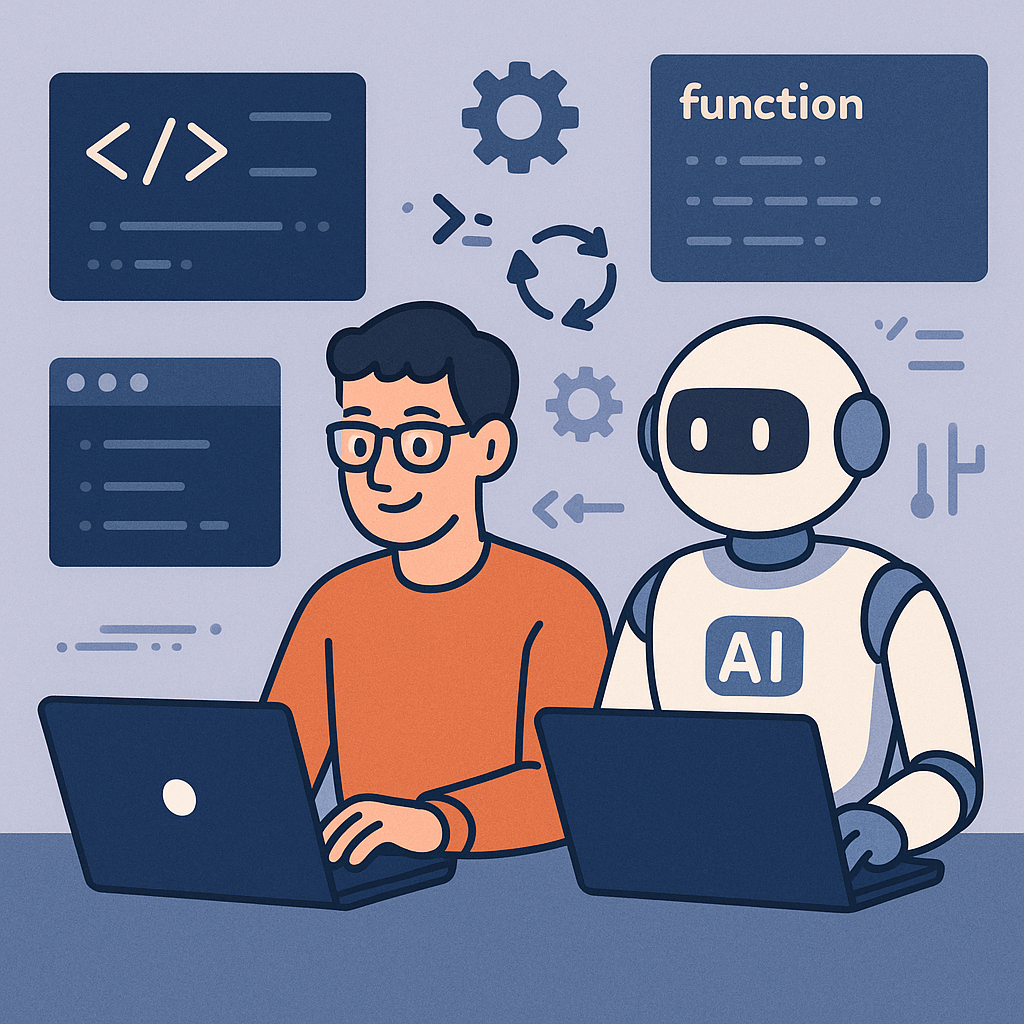
The Rise of AI Coding Agents
In 2026, AI coding agents have become integral to solo software development, offering unprecedented support and efficiency. These agents, powered by advanced machine learning algorithms, assist developers by automating repetitive tasks, suggesting code optimizations, and even generating code snippets based on natural language inputs. This evolution is not just a technological leap but a paradigm shift in how developers interact with their tools, allowing them to focus more on creative and strategic aspects of software design.
One significant advantage of AI coding agents is their ability to learn and adapt to a developer's unique coding style and preferences. This personalization leads to a more seamless integration into the developer's workflow, reducing the cognitive load and enabling faster project completion. As these agents continue to evolve, they may further enhance their understanding of complex coding languages, potentially leading to more sophisticated and context-aware assistance.
However, the widespread adoption of AI coding agents also raises important ethical considerations. Developers must ensure that these tools are used responsibly, avoiding over-reliance and maintaining a critical eye on the output generated by AI. As with any technology, the potential for misuse exists, and it is crucial to establish guidelines that promote ethical use and continuous learning.
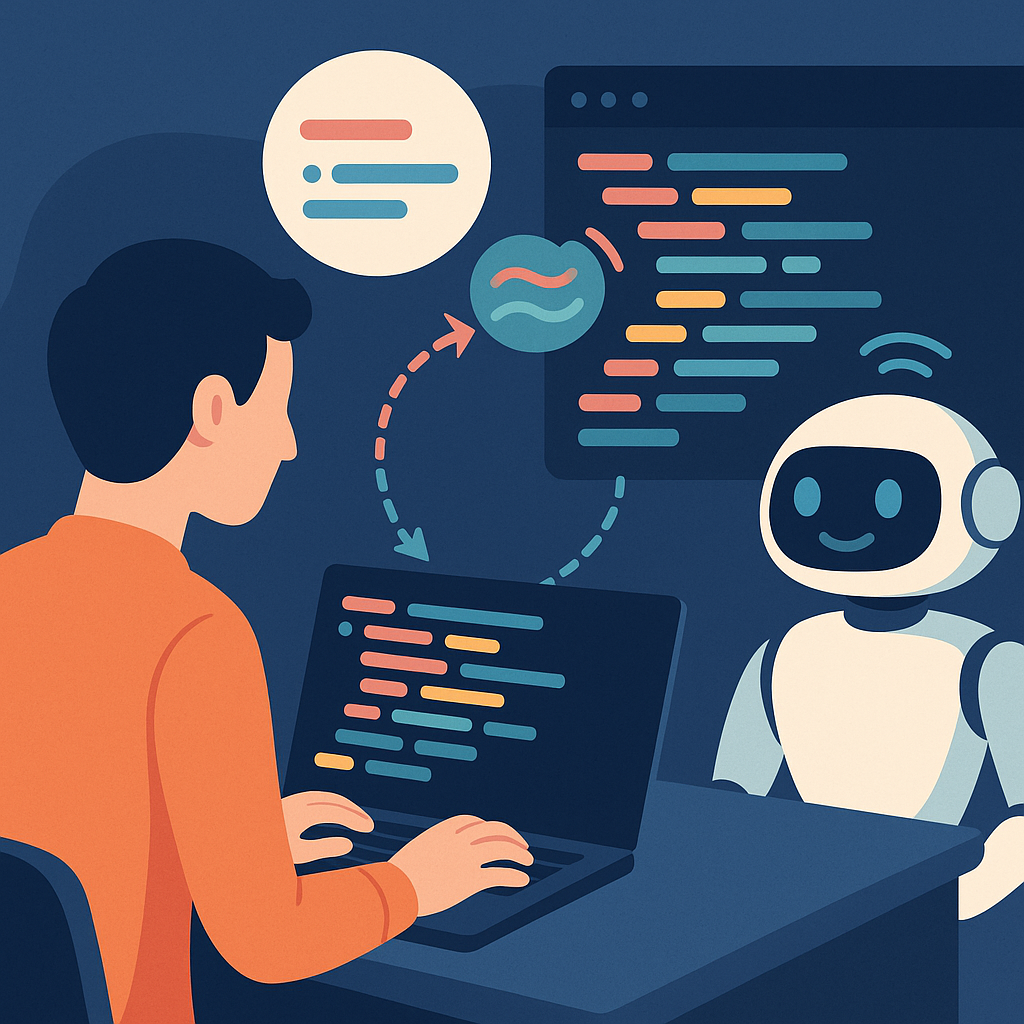
Enhancing Productivity and Innovation
AI coding agents significantly boost productivity by automating mundane tasks and reducing the time spent on debugging and testing. For solo developers, this means more time can be dedicated to innovative aspects of development, such as designing unique features or improving user experience. The ability to quickly iterate and test ideas accelerates the development cycle, fostering a more dynamic and responsive approach to software creation.
Moreover, AI coding agents facilitate a more inclusive development environment by lowering the barrier to entry for individuals with varying levels of expertise. By providing real-time feedback and educational resources, these tools empower novice developers to learn and grow within the field. This democratization of software development could lead to a more diverse range of voices and ideas contributing to the tech industry.
While the benefits are clear, it's important to consider the potential challenges. Developers must remain vigilant about the quality of AI-generated code, as errors or biases in the algorithms could lead to flawed outputs. Continuous monitoring and refinement of these tools are essential to ensure they remain reliable and beneficial.
AI and the Future of Software Development
Looking ahead, AI coding agents may play an even more central role in shaping the future of software development. As AI technology advances, these agents could become more autonomous, potentially taking on roles traditionally reserved for human developers. This shift may lead to a redefinition of what it means to be a software developer, with a greater emphasis on creativity and strategic thinking.
However, the transition to AI-driven development is not without its challenges. There may be concerns about job displacement and the need for new skill sets among developers. To address these issues, it is crucial to foster a culture of continuous learning and adaptability within the tech community. By embracing AI as a collaborative partner rather than a replacement, developers can harness its potential to enhance their work and drive innovation.
As we navigate this evolving landscape, it is essential to approach AI integration with a balanced perspective, recognizing both its transformative potential and the ethical considerations it entails. By doing so, we can ensure that AI coding agents contribute positively to the future of software development.
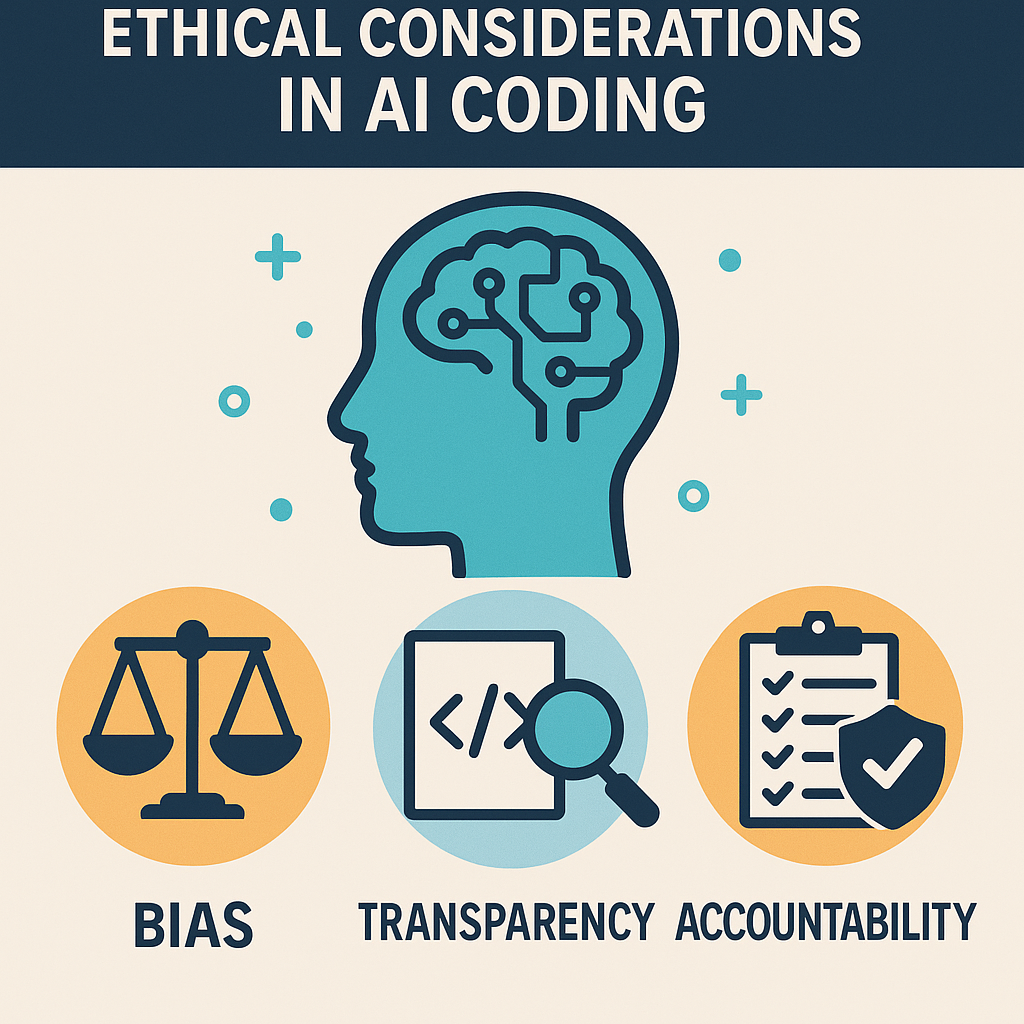
Ethical Considerations and Responsible Use
The integration of AI coding agents into software development raises several ethical questions that must be addressed to ensure responsible use. One key concern is the potential for bias in AI algorithms, which could lead to unfair or discriminatory outcomes in the software development process. Developers must be vigilant in auditing and refining these algorithms to mitigate such risks and promote fairness and inclusivity.
Furthermore, the use of AI in coding requires a commitment to transparency and accountability. Developers should be able to understand and explain the decisions made by AI agents, ensuring that the technology remains a tool for empowerment rather than a black box of unknown processes. This transparency is crucial for building trust among users and stakeholders.
Finally, the ethical use of AI coding agents involves considering the broader societal implications of their deployment. As these tools become more prevalent, it is important to engage in ongoing dialogue about their impact on the workforce, privacy, and security. By proactively addressing these issues, the tech community can help shape a future where AI enhances human potential rather than undermines it.
