
Remote Work Tech: The New Backbone of Daily Life
In the modern era, remote work technology has become deeply integrated into the daily routines of individuals and organizations. The proliferation of hybrid and fully remote work models, accelerated by global events and shifting workplace expectations, has led to the normalization of distributed teams and home offices. As a result, digital platforms, robust cloud infrastructures, and secure collaboration tools are now foundational elements supporting business continuity and personal productivity. These advancements have allowed individuals to work from virtually anywhere, fundamentally altering not only where work is done but also how daily life is organized and balanced.
The rise of these technologies has also influenced organizational structures and management practices. Companies are leveraging remote work tools to enable more flexible schedules, inclusive hiring practices, and global talent pools. This democratization of opportunity supports diversity and equity, as more people can participate in the workforce regardless of geographical constraints or personal circumstances. The new norm requires individuals to adapt their daily habits—integrating work tasks, meetings, and personal activities through digital means. For many, this means rethinking traditional boundaries between work and life, fostering new routines that prioritize adaptability and self-management.
As remote work becomes increasingly ingrained, it is important to recognize both its empowering potential and the need for thoughtful implementation. While technology enables greater autonomy, it also introduces challenges such as digital fatigue and the risk of isolation. Thus, the evolving remote work landscape demands continuous learning and agile adaptation from both employees and employers, setting the stage for more responsive, tech-driven daily experiences.
Section Summary
Remote work technology is now a central aspect of daily routines, reshaping how individuals and organizations function in a digitally connected world.
Image Caption: The home office, enabled by technology, is now a familiar part of daily life.

Tech Innovations Revolutionizing Remote Collaboration
The landscape of remote collaboration is undergoing a radical transformation thanks to groundbreaking technologies like artificial intelligence (AI), virtual reality (VR), and automation. AI-driven platforms are now powering smart scheduling, real-time language translation, and intelligent project management, making teamwork across distances seamless and more efficient. For example, AI meeting assistants can transcribe discussions, highlight action items, and even provide summaries for absent team members, ensuring that communication remains clear and inclusive for all participants [1].
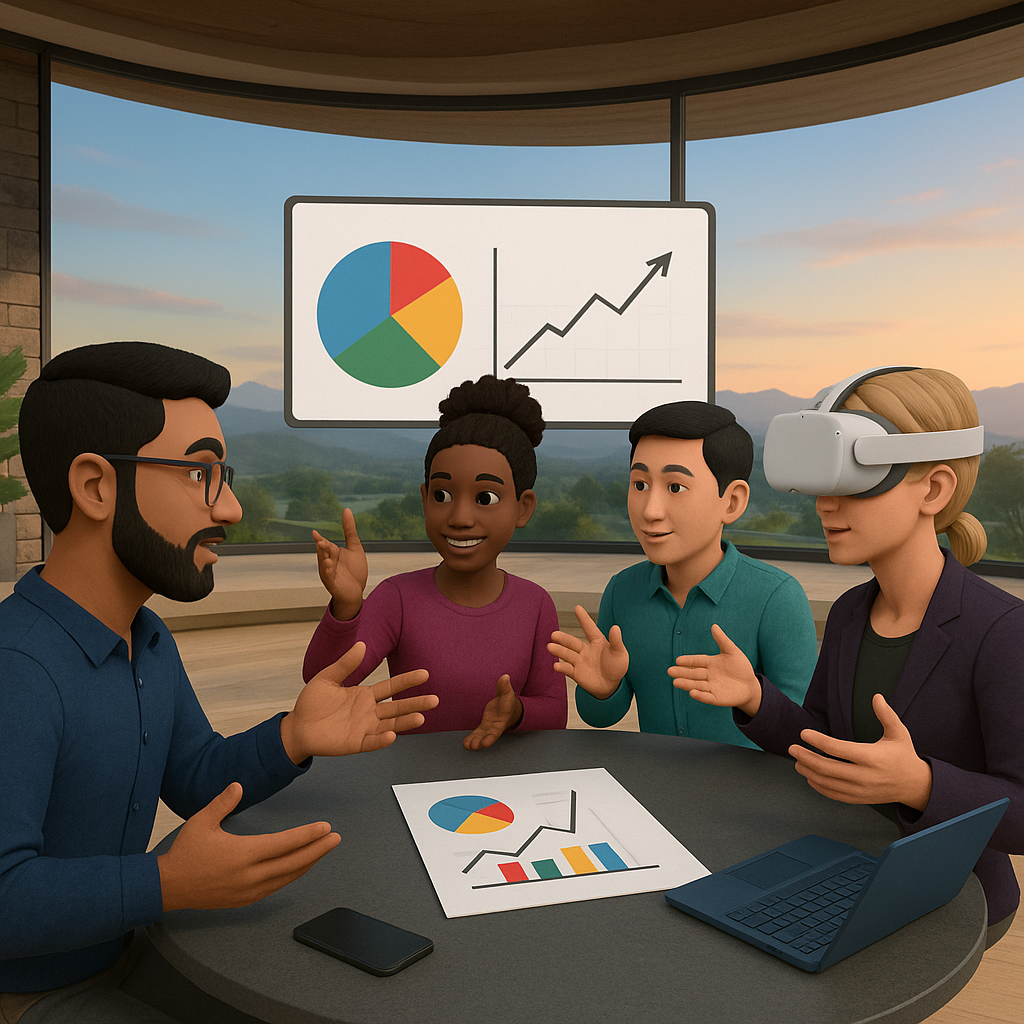
Meanwhile, VR is creating immersive meeting environments where colleagues can interact as lifelike avatars, bridging the gap between physical presence and digital interaction. These virtual workspaces not only foster engagement but also promote creativity and camaraderie—qualities that traditional video calls may struggle to replicate. Additionally, automation tools are streamlining repetitive tasks, enabling remote teams to focus on higher-level problem-solving and innovation. By integrating these technologies, organizations can enhance collaboration while reducing the friction and fatigue often associated with remote work.
It is important to note, however, that these innovations bring both opportunities and challenges. While they offer solutions to common pain points, such as communication barriers and time zone differences, they may also require new skills and thoughtful implementation to maximize their benefits. The future of remote collaboration will likely depend on ongoing advancements and the willingness of organizations to invest in both technology and training, ensuring that all team members can thrive in a rapidly changing digital landscape.
Section Summary
AI, VR, and automation are transforming remote teamwork, making collaboration more immersive, efficient, and inclusive than ever before.
Image Caption: VR and AI are redefining what it means to work together, regardless of location.
Productivity, Wellness, and the Daily User Experience
As remote work technology evolves, it is reshaping the way individuals manage productivity and wellness in their daily routines. Advanced productivity tools now help workers set boundaries, track tasks, and optimize focus, reducing the stress of juggling professional and personal commitments. Features such as automatic break reminders, personalized dashboards, and AI-powered scheduling assistants empower individuals to maintain healthier work-life integration. Many platforms offer analytics on digital wellbeing, helping users recognize patterns of overwork and take proactive steps toward balance [2].
Wellness is further supported by technologies that encourage movement, mindfulness, and social connection. For instance, remote work platforms may integrate wellness challenges, guided meditation breaks, or virtual social events to combat feelings of isolation. These tools enable organizations to foster a culture of care, supporting mental and physical health as integral components of daily productivity. However, it is crucial to recognize that technology is not a cure-all; individual preferences and boundaries must be respected to ensure these initiatives are genuinely beneficial.
Despite the benefits, the blurring of lines between work and home can create new challenges, such as digital fatigue and difficulty disconnecting. To mitigate these risks, best practices recommend setting clear schedules, utilizing “do not disturb” modes, and establishing designated workspaces. As technology continues to advance, the daily user experience will likely become more personalized, adaptive, and responsive to individual needs, helping users achieve sustained productivity and wellness in a remote-first world.
Section Summary
Remote work tech empowers productivity and wellness, but balancing digital engagement with healthy routines remains essential for daily life.
Image Caption: Digital wellness tools encourage balance and healthy routines in remote work settings.
The Shifting Boundaries: Work, Home, and Social Life
The integration of remote work technology has led to a significant shift in the boundaries between professional, personal, and social spheres. The once-clear separation between the office and home is now more fluid, with daily routines blending meetings, family responsibilities, and social connections in new ways. This transformation is particularly notable among tech-savvy individuals who leverage multiple devices and apps to coordinate their lives, maximizing flexibility and efficiency.
As a result, traditional workday structures are evolving. Many remote workers find themselves customizing their schedules to better align with their peak productivity periods or personal obligations. Technology platforms facilitate this flexibility, offering features such as asynchronous communication and shared calendars. However, the challenge of maintaining work-life balance persists, with some individuals experiencing increased pressure to remain “always on.” Organizations are responding by emphasizing digital etiquette, encouraging regular breaks, and supporting initiatives that foster social interaction outside of work tasks.
The evolving landscape also affects social connections, as virtual communities and digital networking events become commonplace. These platforms enable individuals to build meaningful relationships and exchange ideas across geographic boundaries. While technology enhances access to social opportunities, it is essential to remain mindful of potential downsides, such as the risk of screen fatigue or diminished face-to-face interactions. By embracing new norms and leveraging supportive technologies, individuals can maintain vibrant personal and social lives alongside their professional responsibilities.
Section Summary
Remote work tech is redefining the boundaries between work, home, and social life, offering flexibility but also presenting new challenges for balance.
Image Caption: Technology helps blend—and sometimes blur—the boundaries of modern daily life.
Challenges and Ethical Considerations in Remote Work Tech
While remote work technologies bring numerous benefits, they also raise important challenges and ethical considerations that must be addressed. Data security and privacy remain top concerns, as increased reliance on digital platforms creates more opportunities for breaches and unauthorized access. Organizations must implement robust cybersecurity measures and transparent data policies to protect both employee and company information. Additionally, the use of AI and automation in monitoring productivity can raise questions about trust, autonomy, and fairness in the workplace [3].
Accessibility is another critical issue. As remote work becomes more prevalent, it is vital to ensure that technologies are designed to be inclusive for users of all abilities and backgrounds. This includes considerations for language support, adaptable interfaces, and compatibility with assistive devices. Failure to address these needs can inadvertently exclude individuals and undermine the inclusive potential of remote work.
Furthermore, there is a risk that the rapid pace of technological change could widen existing digital divides. Not all individuals or communities have equal access to high-speed internet, modern devices, or digital literacy training. Efforts to expand access and provide ongoing support are essential for ensuring that remote work technologies benefit everyone equitably. By prioritizing ethical design, transparency, and inclusivity, organizations and technology developers can help create a future of remote work that is both innovative and just.
Section Summary
Remote work technologies present ethical and accessibility challenges, making robust security, inclusivity, and transparency essential moving forward.
Image Caption: Ethical considerations and accessibility are at the forefront of remote work technology development.
Looking Ahead: What to Expect in the Future of Remote Work Tech
The future of remote work technology holds immense promise, but also considerable uncertainty. Emerging trends suggest that ongoing advancements in AI, mixed reality, and edge computing could further transform how work and daily life intersect. For instance, AI may eventually enable even more personalized work experiences, adapting tools and workflows to each individual’s preferences and needs. Mixed reality technologies could blur the distinction between physical and digital spaces, offering new forms of collaboration and social interaction that feel natural and immersive.
However, the pace and direction of these developments will depend on various factors, including technological breakthroughs, regulatory frameworks, and societal attitudes toward privacy and digital wellbeing. There is potential for remote work technology to foster greater inclusivity, efficiency, and work-life harmony, but realizing these benefits will require ongoing attention to ethical issues and equitable access. The lessons learned during the rapid shift to remote work in recent years will likely shape the evolution of both technology and workplace culture.
Individuals and organizations should prepare to adapt continuously, investing in digital skills, critical thinking, and wellbeing practices. By staying informed about new technologies and advocating for responsible innovation, everyone can play a role in shaping a remote work future that is both productive and humane. Readers are encouraged to reflect on how these changes may impact their own routines—and to seize the opportunities offered by a more flexible, tech-empowered way of living and working.
Section Summary
The future of remote work tech may bring personalized, immersive experiences, but will require ongoing adaptation and ethical attention.
Image Caption: Tomorrow’s remote workspaces could seamlessly blend technology, wellness, and daily life.
