
Why AR and Emerging Tech Are Redefining Content Engagement
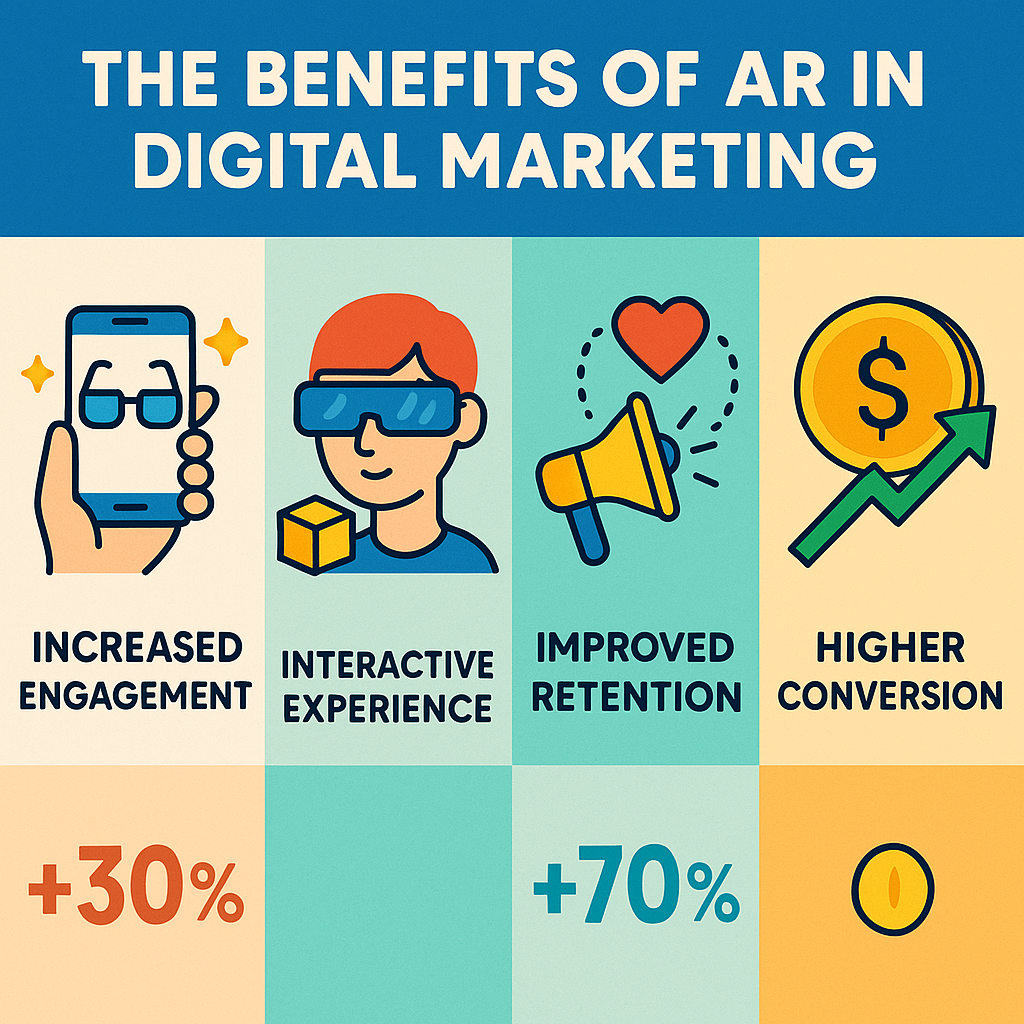
Augmented reality (AR) and related emerging technologies are revolutionizing the way audiences interact with digital content. Unlike static text or images, AR overlays interactive, digital elements onto real-world environments through devices such as smartphones or smart glasses. This immersive approach can increase both attention and recall, outperforming many traditional content formats. Studies show that AR experiences are more memorable, with users retaining up to 70% more information than with non-interactive content [1]. Such engagement is vital as digital audiences face overwhelming content saturation and shortened attention spans.
Brands leveraging AR can offer consumers unique, personalized experiences. For example, AR-powered filters on social media allow users to visualize products in their own environment, bridging the gap between digital browsing and physical ownership. This level of interaction fosters stronger emotional connections and can significantly impact purchasing decisions. Furthermore, AR's novelty and shareability provide a competitive edge in crowded digital spaces, as users are more likely to discuss and recommend innovative experiences to peers.
Importantly, the inclusivity of AR has broadened its appeal across age groups and cultures. Many platforms now prioritize accessibility features, ensuring that AR experiences are usable by people with diverse needs. This focus on universal design helps brands reach a wider audience and aligns with evolving societal expectations for digital inclusivity.
In summary, AR and emerging tech elevate consumer engagement by offering immersive, interactive, and memorable experiences that outpace traditional digital content.
Image: AR Content in Action
Caption: Example of AR enhancing real-world consumer engagement.
Blueprints for Integration: Tactics and Tools that Tech Enthusiasts Use
Integrating AR and emerging technologies into content strategies involves a deliberate, step-by-step approach. The process typically begins with identifying clear objectives, such as increasing user engagement or simplifying complex information. Creators then assess the available hardware and software tools, many of which have become more accessible due to advancements in mobile devices and developer platforms [2]. Leading AR development kits, such as ARKit and ARCore, now allow even small teams to create interactive experiences without deep technical expertise.
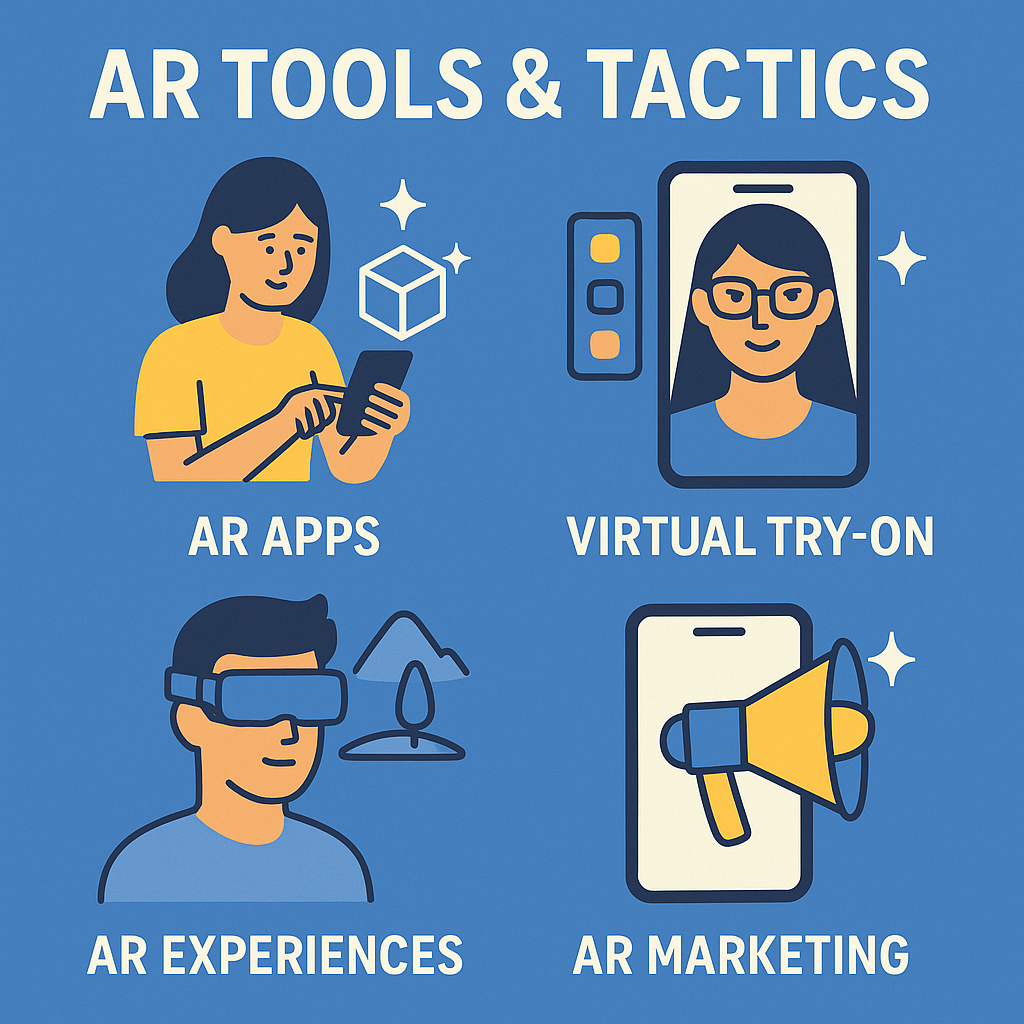
Successful integration often includes the use of interactive elements like 3D models, spatial audio, and real-time feedback. For example, beauty brands employ virtual try-on features, enabling customers to visualize makeup on their own faces before purchasing. In the social media space, brands launch interactive AR filters that invite users to participate in challenges or share their creations, extending the campaign’s reach organically. Additionally, interactive storytelling has emerged as a powerful tactic, where AR overlays guide users through narratives that adapt based on user input.
Lower barriers to entry also mean more creators can experiment with AR content. Open-source libraries and no-code platforms have democratized development, fostering innovation among a broader range of contributors. However, best practices recommend iterative testing and accessibility checks throughout the integration process to ensure experiences are both engaging and inclusive.
Overall, a structured approach to AR integration—anchored in clear objectives, iterative development, and accessible tools—empowers content creators to deliver immersive, memorable digital experiences.
Image: Tools for AR Content Creation
Caption: Modern AR toolkits simplify content creation for diverse teams.
Maximizing Viral Potential and Overcoming Barriers
Amplifying the virality of AR content hinges on creative strategy and adaptability. Brands often employ gamified AR challenges, inviting users to complete tasks or share their experiences with branded effects. Influencer partnerships are particularly effective, as influencers can model and promote AR interactions to their established audiences, accelerating organic reach [3]. Additionally, integrating social sharing functionality directly into AR experiences encourages users to spread content, compounding its viral potential.
Despite these advantages, several challenges persist. Scalability remains a key concern, as delivering consistent AR experiences across diverse devices and platforms can be technically demanding. Device compatibility issues and uneven user access to advanced hardware may limit the reach of certain campaigns. Content fatigue is another risk—audiences may quickly tire of gimmicky or repetitive AR features if not refreshed with meaningful updates.
Resilient strategies prioritize modular, updatable AR content and build in feedback mechanisms to monitor user engagement. Analytics tools now enable real-time tracking of how audiences interact with AR experiences, allowing for rapid optimization. To mitigate accessibility barriers, inclusive design principles must be employed, such as voice controls or alternate text descriptions, ensuring all users can participate fully.
In conclusion, while AR has enormous potential for virality, brands must proactively address technical and creative challenges to sustain engagement and reach diverse audiences.
Image: Viral AR Campaign Example
Caption: Influencer-driven AR campaigns amplify reach and engagement.
Data-Driven Insights: Measuring Success of AR Content
Quantifying the impact of AR and emerging tech in content strategies requires a blend of traditional and specialized metrics. Engagement rates, time spent interacting, and social shares remain vital indicators, but AR-specific metrics—such as dwell time within the AR experience and frequency of interactive features used—offer deeper insights. Industry data indicates that AR-enhanced campaigns see up to 200% increases in user interaction compared to standard digital content [4].
Advanced analytics platforms can capture granular data, revealing which AR elements drive the most engagement and conversion. For example, retail brands track how many users virtually try on products and subsequently make purchases. This data-driven approach enables content teams to refine campaigns in real time, focusing resources on the most effective interactive features.
It is important to recognize, however, that meaningful interpretation of AR analytics depends on clearly defined goals and ongoing user feedback. Privacy considerations must also be prioritized, with transparent data practices and compliance with regulations like GDPR to maintain user trust. Including opt-in choices and clear disclosures about data use is essential for ethical, responsible implementation.
Ultimately, robust measurement and ethical data management are central to maximizing the value of AR-driven content strategies.
Image: AR Analytics Dashboard
Caption: Real-time analytics help optimize AR content strategies.
Case Studies: Brands Leading the Way with AR Integration
Numerous brands across sectors have demonstrated the transformative potential of AR and emerging tech in content marketing. For instance, IKEA’s Place app allows customers to visualize furniture in their homes through AR, bridging the gap between online browsing and in-store experience. This initiative reportedly increased user engagement and reduced product returns by helping shoppers make more informed choices [5].
In the beauty sector, L’Oréal’s AR-powered try-on features enable users to test makeup virtually, which has not only driven higher conversion rates but also increased customer satisfaction. Meanwhile, fashion brands like Gucci have experimented with AR sneakers, inviting users to ‘wear’ and share digital footwear across social media platforms, creating viral moments and cultivating brand loyalty.
Outside retail, educational institutions use AR to deliver interactive learning modules, enhancing information retention and student participation. Nonprofits have launched AR campaigns to increase awareness of social issues, allowing audiences to visualize impacts in their local environment and inspiring deeper engagement. Each of these case studies highlights how strategic integration of AR and emerging technologies can deliver measurable business and social outcomes.
These examples collectively illustrate that AR integration, when aligned with user needs and creative objectives, offers significant value across industries.
Image: Brand AR Success Stories
Caption: Leading brands harness AR for diverse and effective content strategies.
The Future of AR-Driven Content: Predictions and Ethical Considerations
Looking forward, AR and emerging technologies could play an even more central role in digital content strategies. Continued advances in device hardware, 5G connectivity, and software frameworks may lower development costs and improve experience quality. Experts suggest that by 2025, AR could become a mainstream expectation in marketing, education, and entertainment, driven by consumer demand for interactive, personalized content [6]. However, these projections are subject to change as technology adoption rates and societal attitudes evolve.
With these advancements, ethical considerations grow increasingly important. Brands and creators must prioritize inclusivity by designing AR content that accommodates diverse user abilities and technological access. Privacy remains a central concern, necessitating transparent data practices and ongoing dialogue with audiences about consent and usage. It is also vital to avoid manipulative or sensationalistic AR content that could mislead or alienate users.
In sum, while AR’s potential is vast, its future impact will depend on responsible innovation and a steadfast commitment to ethical, user-centric content strategies.
Image: The Future of AR Content
Caption: Responsible innovation shapes the next era of AR-driven content.
Getting Started: Practical Steps for Content Teams
For content creators and marketers interested in integrating AR and emerging technologies, a structured approach is essential. Begin by researching target audience needs and preferences to ensure that interactive experiences align with user expectations. Pilot small-scale AR campaigns to test engagement, gather feedback, and identify areas for refinement before broader rollout. Collaboration with technology partners and accessibility consultants can help navigate technical and ethical complexities, ensuring inclusive design from the outset.
Invest in scalable platforms that allow for ongoing updates and iterative improvement. Training teams on AR development tools and analytics will build internal capacity and foster innovation. Above all, maintain a user-centric mindset, prioritizing meaningful, transparent engagement over novelty alone. Thoughtful planning and continuous learning will position content teams to unlock the full potential of AR-driven strategies in a rapidly evolving landscape.
To summarize, practical, ethical integration of AR begins with audience research, pilot testing, and a commitment to ongoing innovation and inclusivity.
Image: AR Content Team Collaboration
Caption: Collaboration and innovation drive effective AR integration for content teams.
