Why AI is a Game-Changer for Niche Content Creation
In today’s saturated digital landscape, the ability to deliver highly targeted content has become an essential differentiator for brands. Artificial intelligence (AI) is revolutionizing this process by enabling marketers to analyze vast quantities of data rapidly and extract nuanced insights into audience preferences, behaviors, and evolving trends. Rather than relying on broad assumptions or limited manual research, AI algorithms can comb through social media conversations, search queries, and competitor content to uncover unique angles and unmet needs within highly specific market segments. For instance, natural language processing (NLP) allows machines to understand subtle shifts in consumer sentiment, while clustering algorithms can identify micro-audiences based on behavioral patterns rather than only demographic markers. This granular approach to segmentation supports more relevant, engaging, and effective content ideation at scale.[1]
By leveraging machine learning, digital marketers can predict which topics, formats, and tones are most likely to resonate within a given niche. Tools powered by AI can surface emerging themes by detecting spikes in keyword searches, trending hashtags, or even long-tail queries that may indicate new interests. Importantly, AI systems not only highlight what is currently popular but can also help forecast the content that may capture attention in the near future, allowing brands to position themselves as thought leaders. While these predictive capabilities offer considerable promise, it is important to acknowledge that algorithmic outputs should be supplemented with human oversight to ensure relevance, appropriateness, and inclusivity.
Moreover, AI-driven personalization tailors content recommendations based on individual user profiles, browsing habits, and engagement history. This data-driven customization makes it possible to deliver dynamic, adaptive content experiences that speak directly to niche communities, improving both retention and conversion rates. The strategic adoption of AI in content ideation thus empowers brands to efficiently identify and engage audiences with high-value, tailored messages, establishing a foundation for sustained digital marketing success.
Case Studies: Tech Brands and Niche Engagement
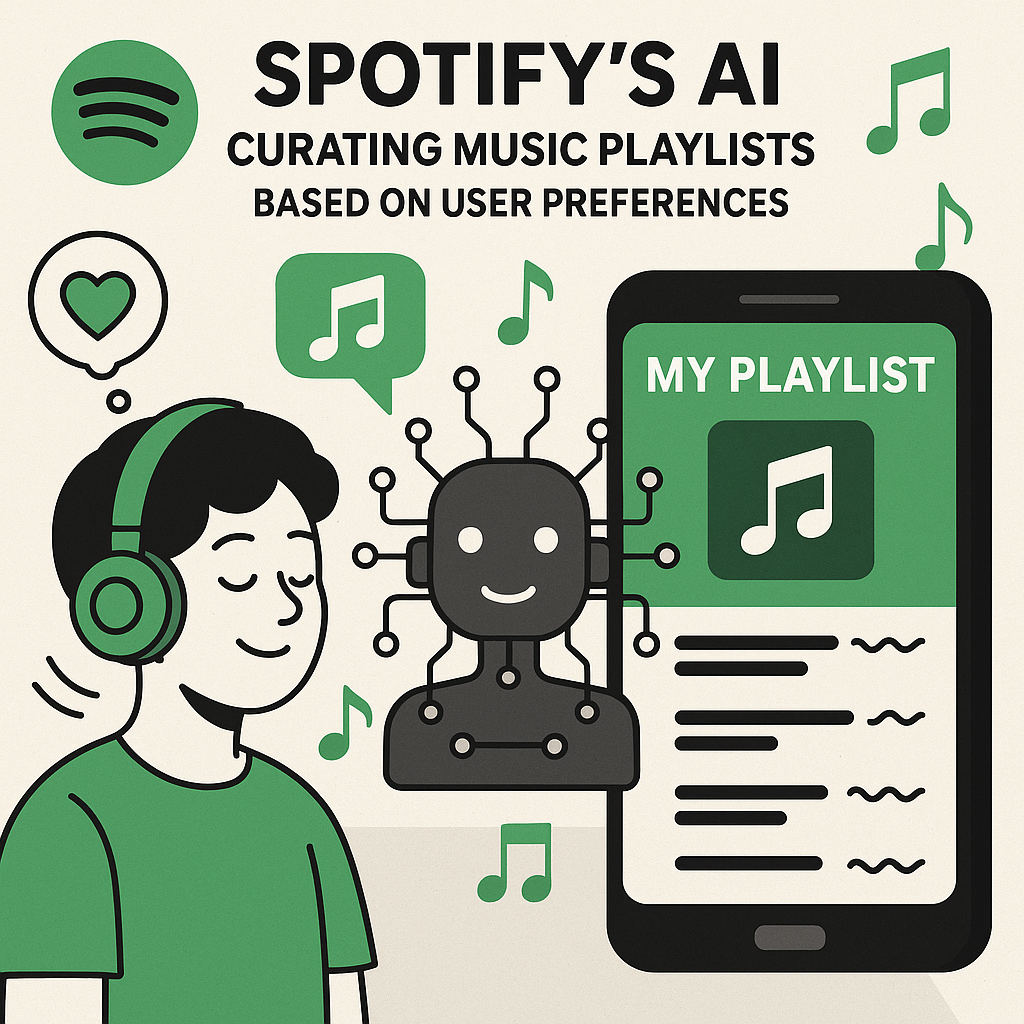
Numerous leading technology brands have demonstrated the transformative potential of AI for niche content ideation. For example, Spotify leverages AI-powered recommendation engines to curate hyper-personalized playlists, drawing on users’ listening habits and contextual cues to identify sub-genres and mood-based categories. This data-driven approach not only increases user engagement but also exposes listeners to lesser-known artists and micro-genres, reinforcing Spotify’s position as a tastemaker in the digital music space. Similarly, Netflix utilizes AI algorithms to analyze viewing patterns and predict which original series, documentaries, or genres will resonate with specific audience segments. This informs both content acquisition and creation strategies, ensuring offerings remain relevant and appealing to distinct viewer cohorts.[2]
Another compelling example comes from HubSpot, which employs AI-driven analytics to refine blog and resource center topics based on keyword trends, audience feedback, and competitive gaps. This ensures that content not only attracts organic search traffic but also addresses emerging questions and challenges within B2B niches. Furthermore, brands such as Sephora have integrated AI chatbots to provide tailored product recommendations and interactive content for beauty enthusiasts, leveraging customer data to personalize the experience down to skin type or aesthetic preference. These real-world cases illustrate how AI enables brands to efficiently identify micro-segments, design customized content strategies, and foster deeper engagement within targeted communities.
However, while the benefits are clear, it is crucial for marketers to continually monitor the impact of automated content systems to ensure they align with evolving audience expectations and ethical standards. Combining AI insights with authentic brand storytelling and human creativity remains essential for maintaining credibility and building long-term audience trust.

Building Viral Potential: AI-Driven Strategies for Content Ideation
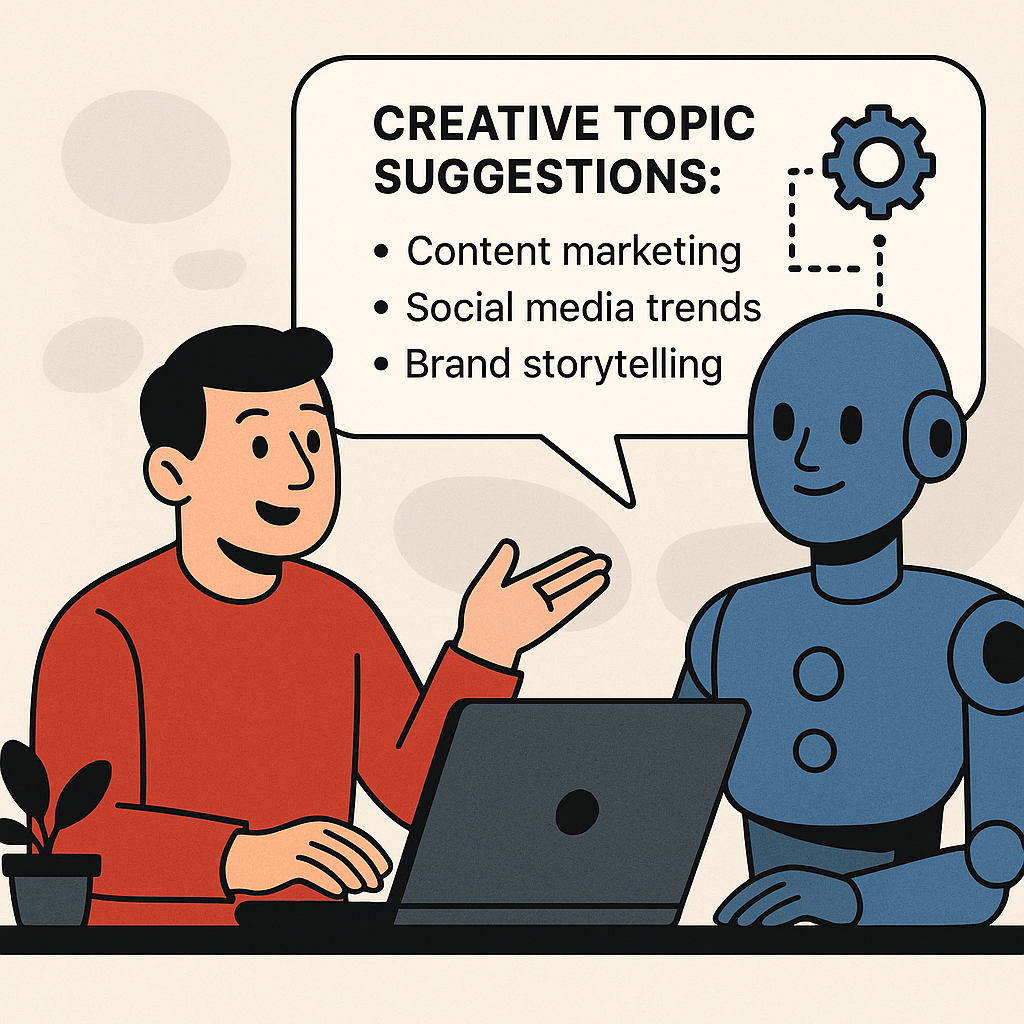
To achieve viral traction within niche communities, digital marketers are increasingly leveraging AI-powered strategies throughout the content ideation process. One foundational technique involves AI prompt engineering, where carefully structured queries generate creative topic suggestions based on real-time data, trending keywords, and evolving audience interests. By iteratively refining prompts, marketers can guide AI systems to surface fresh content angles that might otherwise remain hidden in manual brainstorming sessions. This approach accelerates ideation while ensuring relevance to targeted micro-segments.
Another pivotal strategy centers on data-driven brainstorming, where AI tools aggregate social listening, competitor activity, and user feedback into actionable insights. For example, clustering algorithms can reveal unexpected content intersections, such as combining fitness and tech for wearables enthusiasts or merging sustainability and fashion for eco-conscious consumers. These intersections often spark shareable, innovative topics tailored to specific audience values. Dynamic market feedback loops, enabled by real-time analytics, empower marketers to quickly iterate on content ideas, measure early engagement signals, and adapt campaigns for maximum impact.
Despite the potential for virality, it is important to recognize that not all content trends identified by AI will achieve widespread resonance. Factors such as cultural context, platform norms, and changing consumer sentiments can influence shareability. Therefore, combining AI-generated insights with human editorial judgment and ongoing experimentation remains critical to striking the right balance between novelty and audience relevance.
AI-Powered Personalization: Creating Value for Micro-Audiences
Personalization has become a cornerstone of effective digital marketing, and AI significantly amplifies the ability to deliver tailored experiences at scale. Machine learning models can process individual user data, browsing history, and engagement metrics to curate content that feels uniquely relevant to each micro-audience. This goes beyond simply recommending similar articles or products—instead, AI can dynamically adjust content themes, formats, and messaging based on user preferences and behaviors observed in real time.[3]
For example, e-commerce platforms often use AI to analyze customer purchase patterns, enabling them to deliver personalized blog posts, how-to guides, or product reviews that speak directly to the interests of specific shopper cohorts. Social media platforms employ similar strategies, using predictive analytics to recommend niche community groups, event invitations, or specialized content feeds that align with user affinities. This level of personalization increases engagement and loyalty, as users are more likely to interact with content that aligns with their values and goals.
Nevertheless, it is essential for marketers to approach AI-powered personalization with care, respecting user privacy and data ethics. Transparent data collection practices and clear opt-in mechanisms help build trust, while regular audits of algorithmic recommendations can minimize the risk of reinforcing stereotypes or excluding minority voices. By prioritizing ethical considerations alongside AI innovation, brands can create genuinely inclusive, value-driven content experiences for all audiences.
Content Diversity and Inclusivity Through AI
As AI systems gain a central role in digital marketing, they present both opportunities and responsibilities regarding content diversity and inclusivity. Advanced algorithms can surface underrepresented topics, highlight diverse perspectives, and suggest new ways to engage audiences across cultural, linguistic, and geographic boundaries. For instance, sentiment analysis tools can detect when content is perceived as exclusive or non-inclusive, prompting marketers to adjust messaging or visual assets to better reflect their audience’s realities.
Moreover, AI can be programmed to proactively identify and mitigate bias in both content ideation and distribution. This may involve flagging language that could unintentionally alienate certain groups or ensuring that algorithmic recommendations promote a balance of voices and viewpoints. By adopting these safeguards, marketers can create richer, more inclusive content ecosystems that resonate with a broader array of users.[4]
However, it is important to acknowledge that AI models may inadvertently reflect the biases present in their training data. Continuous human oversight, regular model audits, and diverse development teams are necessary to ensure that inclusivity is more than a technical checkbox—it becomes an ongoing commitment. The result is not only ethically sound content but also the potential for deeper audience engagement and loyalty, as users increasingly value brands that authentically reflect their identities and experiences.
Ethical Considerations and Best Practices for AI Content Ideation
While the promise of AI-driven content ideation is immense, ethical considerations must remain at the forefront of every strategy. Ensuring transparency in how AI systems generate and recommend content is critical for maintaining audience trust. Marketers should be clear about their use of AI, provide users with information on data collection practices, and offer opt-out options where feasible. Regular review processes are also essential for identifying and correcting errors or unintended consequences that may arise from automated decision-making.
Data privacy represents another vital concern. Organizations must comply with evolving data protection regulations, such as the General Data Protection Regulation (GDPR), and follow best practices for secure data storage and anonymization. Furthermore, AI models should be designed to respect user agency and prevent discriminatory or exclusionary outcomes. Incorporating feedback from diverse stakeholders and maintaining open lines of communication with audiences can help ensure that content strategies remain responsive and respectful.[5]
Finally, the integration of human expertise with AI-driven insights is essential for ethical and effective content ideation. Human oversight ensures that content remains sensitive to cultural nuances, avoids unintended bias, and aligns with overarching brand values. By balancing innovation with responsibility, marketers can harness the full potential of AI while building lasting, trust-based relationships with their audiences.
Practical Frameworks: Leveraging AI for Scalable Niche Content
Implementing AI-driven content ideation at scale requires a structured, repeatable framework. The first step involves defining clear objectives and key performance indicators (KPIs) tailored to each niche audience, ensuring that AI efforts align with overarching business goals. Next, marketers should select appropriate AI tools—ranging from content analysis platforms to audience segmentation engines—that support their specific needs. Regular training and updates of these models are necessary to maintain accuracy and relevance.
Collaboration between human and AI elements is critical for effective execution. Marketers should establish workflows that integrate AI-generated insights with editorial judgment, using cross-functional teams to vet and refine content ideas before publication. Agile methodologies and real-time analytics dashboards can support ongoing optimization, allowing teams to quickly respond to shifts in audience preferences or industry trends.
Continuous learning and experimentation underpin long-term success in AI-powered content ideation. Marketers are encouraged to pilot new strategies, A/B test AI-generated content, and gather user feedback to inform future iterations. By fostering a culture of innovation and adaptability, brands can sustainably produce high-quality, engaging content that resonates with even the most niche audiences.
