
Understanding the Core Ethical Risks in AI Content Creation
As artificial intelligence becomes integral to content creation, understanding the spectrum of ethical risks is essential for organizations and marketers. AI-generated content can accelerate production and enhance personalization, but it introduces challenges such as misinformation, bias, and a lack of transparency. For instance, high-profile incidents like AI-generated deepfakes or algorithmically amplified misinformation have raised serious concerns about the reliability and intent behind digital materials. Recent studies indicate that nearly 40% of global consumers are concerned about AI producing misleading content, underlining a trust deficit that brands must address [1].
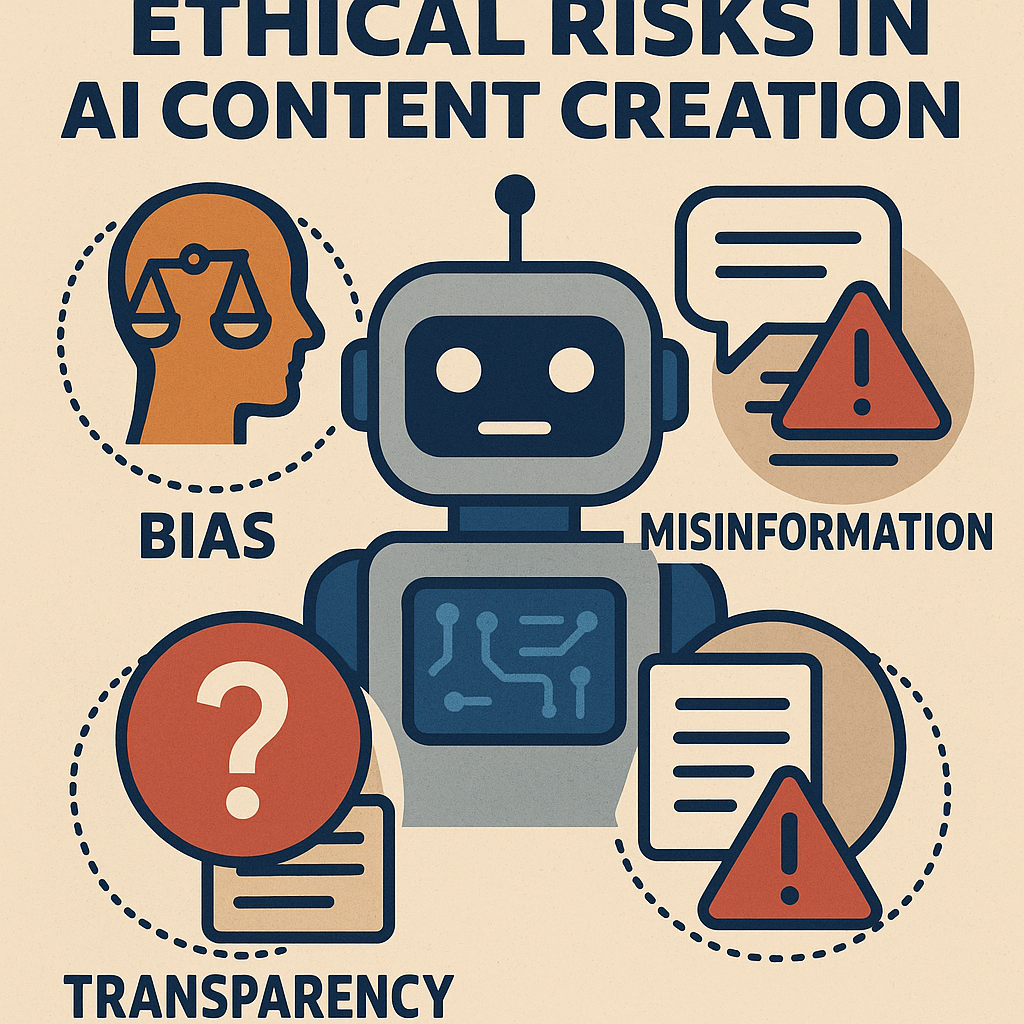
One of the most significant ethical risks lies in perpetuating bias. AI models trained on biased datasets can inadvertently generate content that reinforces stereotypes or excludes certain groups. Additionally, the opaque nature of many AI algorithms makes it difficult to trace decision-making processes, further complicating accountability. This lack of transparency can harm public trust, especially if stakeholders feel that content was manipulated or produced without appropriate oversight. Consequently, companies are now being held to a higher standard, expected to demonstrate both responsibility and vigilance in their use of AI-driven tools.
Moreover, intellectual property (IP) concerns have emerged as another central issue. AI can easily generate content that resembles existing copyrighted material, blurring the lines between originality and infringement. This is particularly problematic for brands aiming to differentiate themselves while respecting creators' rights. Furthermore, as regulatory scrutiny increases globally, marketers face evolving legal risks if they fail to ensure compliance with data protection, copyright, and advertising standards. Ultimately, the ethical landscape for AI-driven content creation is complex, requiring proactive strategies to manage both immediate and long-term risks.
Illustration depicting AI generating both positive and negative outcomes, symbolizing the dual nature of ethical risks in content creation.
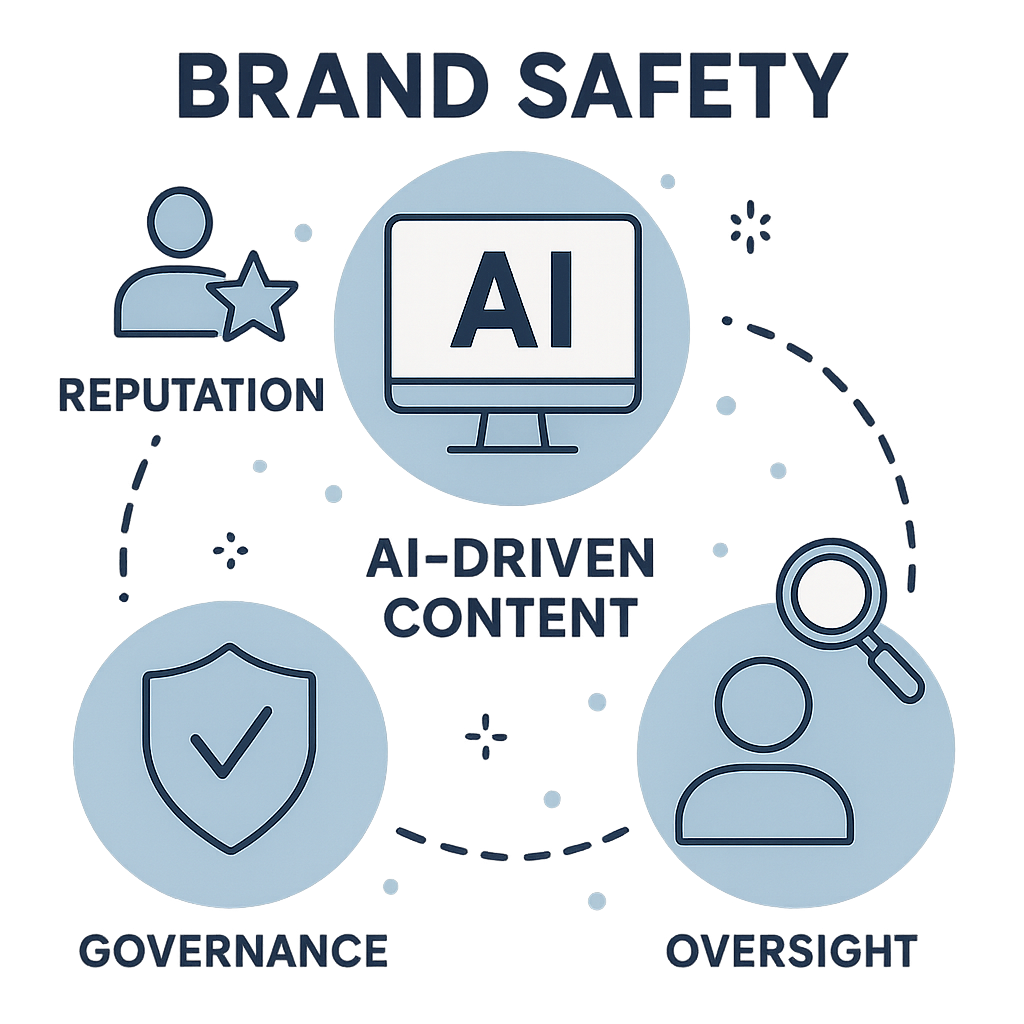
Brand Safety: Reputation, Governance, and Oversight
The consequences of overlooking brand safety in AI-driven content are profound and multifaceted. Brands that fail to implement robust governance mechanisms risk not only reputational damage but also potential legal repercussions. For example, an AI system that inadvertently generates offensive or inappropriate material can lead to public backlash, loss of consumer trust, and even regulatory fines. Well-publicized cases have shown that negative content incidents can decrease brand value and diminish long-term market position [2].
Effective governance is central to brand safety in the era of AI. Organizations must establish clear protocols for content review, accountability, and intervention. This often involves cross-functional teams combining legal, marketing, and technical expertise to anticipate and mitigate potential risks. Oversight processes, such as human-in-the-loop reviews and regular audits, help ensure that AI-generated content aligns with brand values and societal expectations. Without these structures, even minor errors in content can escalate quickly in today’s fast-paced digital environment.
Furthermore, regulatory developments are raising the stakes for brands. Data protection laws and guidelines on automated decision-making are evolving, with new mandates around explainability and fairness. Companies that proactively integrate ethical AI governance not only reduce risk but also position themselves as leaders in responsible innovation. Brand safety, therefore, is not a static goal but an ongoing commitment that must adapt alongside AI advancements and societal standards.
Chart illustrating governance and oversight processes critical for brand safety in AI-driven content.
Best Practices for Ethical, Safe AI Content
Establishing best practices is fundamental for organizations seeking to harness the benefits of AI-driven content without compromising ethical standards or brand integrity. The first step involves implementing comprehensive guidelines for AI use, which detail acceptable content parameters, transparency requirements, and processes for addressing bias. For example, brands should require that all AI-generated content undergoes both automated screening and human review to catch potential issues before publication. This dual approach leverages the strengths of both machines and humans, providing a safety net against errors that either could miss alone.
Additionally, fostering a culture of transparency is crucial. Organizations should clearly communicate when and how AI is used in content creation, both internally and to their audiences. This transparency not only builds trust but also empowers consumers to make informed choices about the content they engage with. Moreover, continuous education and training are necessary for staff, ensuring they remain current with the latest ethical standards, legal requirements, and technological capabilities.
Finally, embracing innovation responsibly means striking a balance between creativity and compliance. Marketers are encouraged to explore new AI capabilities, but always within frameworks that prioritize user well-being, inclusivity, and societal impact. Adopting tools for detecting and mitigating bias, regular content audits, and active stakeholder engagement can further ensure that AI-generated content remains both effective and ethical. These best practices offer a blueprint for sustainable, trustworthy brand growth in a rapidly evolving digital landscape.
Visual checklist of ethical and safety best practices for marketers using AI-generated content.
Real-World Examples: Lessons from Industry Leaders
Several global brands provide instructive examples of both pitfalls and successes in AI-driven content creation. One notable incident involved a major social platform's AI tool that mistakenly flagged harmless posts as harmful, triggering user frustration and negative media coverage. This case underscores the importance of robust validation and oversight processes. Conversely, another multinational retailer implemented an AI system for product recommendations but integrated continuous human review and feedback loops, resulting in improved personalization and reduced complaints related to inappropriate suggestions.
Industry leaders have also demonstrated the value of transparency in their AI operations. For instance, a prominent news organization began labeling AI-generated articles, providing readers with clear disclosures about content origin. This practice not only improved user trust but also set a precedent for responsible innovation within media. These real-world cases illustrate that effective risk management, transparent communication, and ongoing oversight are essential for maintaining both brand safety and consumer trust.
In learning from these examples, organizations can adopt similar proactive measures, adapting proven strategies to their unique contexts. Ultimately, by observing and iterating on best-in-class practices, brands can navigate the evolving ethical landscape of AI content with greater confidence and resilience.
Infographic summarizing case studies of ethical risks and successes in AI-driven content across various sectors.
Frameworks for Risk Mitigation and Compliance
Developing structured frameworks is key to mitigating risks and ensuring compliance in AI-driven content initiatives. One foundational element is the establishment of an ethical review board responsible for overseeing all AI content projects. This board, comprised of multidisciplinary stakeholders, evaluates proposed uses for AI, monitors ongoing operations, and assesses outcomes against established ethical standards. By instituting formal review processes, organizations create a clear line of accountability and foster a culture of responsibility.
Compliance also requires ongoing engagement with evolving legal and regulatory requirements. Companies should invest in regular training for employees, emphasizing not only technical skills but also awareness of data protection laws, copyright policies, and anti-discrimination statutes. Leveraging third-party audits and certifications can further enhance organizational credibility, demonstrating a commitment to transparency and best practices.
Frameworks should be adaptable, allowing for iterative improvements as AI technologies and societal expectations evolve. Periodic risk assessments, stakeholder consultations, and scenario planning exercises can help organizations anticipate emerging threats and opportunities. While no system is foolproof, these structures provide a robust foundation for ethical and legal compliance, minimizing both reputational and operational risk.
Diagram showing layers of risk mitigation and compliance for ethical AI content management.
The Future of Brand Safety: Challenges and Opportunities
Looking ahead, the landscape of brand safety in AI-driven content will be shaped by both emerging challenges and transformative opportunities. Advances in generative AI may lead to increasingly realistic synthetic content, making it harder for consumers to distinguish between authentic and artificial material. This could, in turn, escalate concerns around misinformation and the erosion of public trust. However, the same technologies may also provide more sophisticated tools for detecting and mitigating risks, such as advanced content authentication and bias detection systems. It is important to recognize that the ultimate impact will depend on how these tools are designed, implemented, and governed.
Additionally, the regulatory environment is expected to grow more stringent as governments respond to public concerns. New standards for explainability, traceability, and ethical AI development are likely to emerge, requiring organizations to remain agile and proactive. Brands that invest in adaptive governance models and prioritize ethical leadership may be better positioned to thrive in this evolving environment. Nonetheless, it is important to note that predictions about future developments should be made with caution, given the pace of technological change and uncertainty surrounding regulatory timelines.
In summary, the intersection of brand safety and AI presents a dynamic landscape filled with both risks and rewards. By maintaining a commitment to ethical innovation and stakeholder engagement, brands can not only protect themselves from harm but also capitalize on the positive potential of AI-driven content creation.
Artistic representation of a future digital landscape highlighting challenges and opportunities in AI content for brands.
Conclusion: Building Trust Through Ethical AI Content
Ultimately, safeguarding ethical standards and brand safety in AI-driven content creation requires an ongoing, holistic approach. By understanding core risks, establishing strong governance, and adopting best practices, organizations can mitigate threats while fostering innovation. Real-world examples and structured frameworks highlight that responsible AI use is both achievable and necessary in today’s competitive landscape.
As brands navigate future challenges and opportunities, transparent communication and proactive compliance will be key differentiators. Building trust with audiences is not a one-time effort but a continuous process that evolves alongside technology and societal values. Brands that lead with integrity and inclusivity may not only avoid pitfalls but also enhance their reputation and market position. Now is the time for organizations to invest in ethical AI content strategies, ensuring both sustainable growth and the preservation of public trust.
Photograph of a diverse team collaborating on brand safety and ethical AI content strategies.
