
Introduction: Defining Bizarre Political Alliances
Local politics, long seen as a bastion of party loyalty and ideological consistency, has recently been upended by a spate of unexpected and often perplexing alliances. What makes a political partnership 'bizarre' is not simply the joining of former adversaries, but the way these collaborations break entrenched boundaries, force communities to reevaluate assumptions, and frequently leave observers—and even participants—grappling with conflicting emotions. In recent years, the lines between left and right, progressive and conservative, have blurred, as unlikely coalitions form around urgent policy concerns, from technological regulation to education reform.
The rise of such alliances can be attributed to increasingly complex local challenges that demand solutions transcending partisan rhetoric. Issues such as urban development, law enforcement oversight, and artificial intelligence (AI) regulation have provided common ground for previously opposed factions. This phenomenon is not unique to a single region or party. Across the United States, mayors, councilmembers, and even school board officials are joining forces with rivals, prioritizing pragmatism over ideology. These partnerships can shock constituents and raise questions about the health and future of traditional party politics at the community level.
Understanding the motivations behind these surprising coalitions requires examining the stakes: public safety, resource allocation, and technological advancement are just a few of the urgent issues driving cooperation. As local leaders respond to rapid change, the necessity of cross-party collaboration becomes more pronounced. Still, not every alliance achieves its aims, and the social and political fallout can be significant. By unpacking the most recent and widely reported examples, we can better grasp the nuances of this growing trend and its broader implications for democracy.
Case Studies: Recent Deals that Defied Partisanship
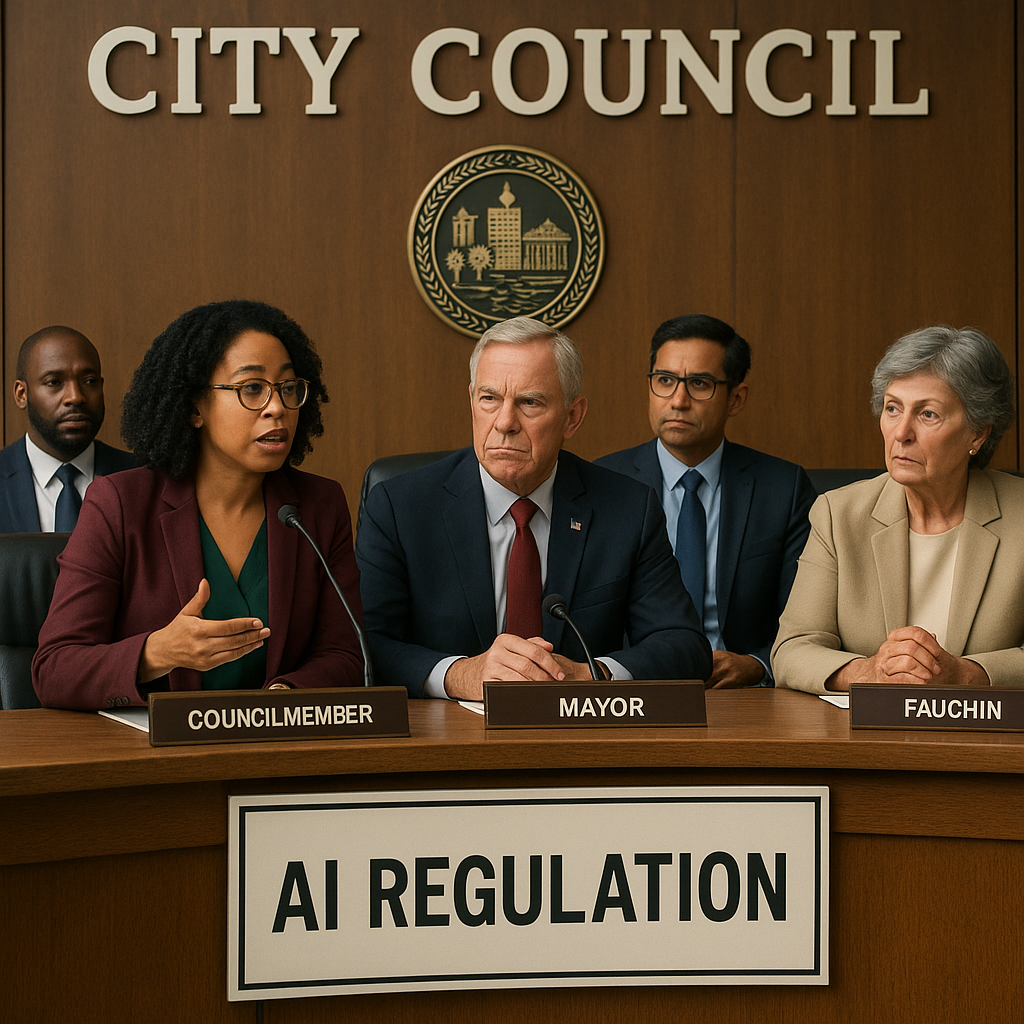
Perhaps nowhere is the phenomenon of bizarre political alliances more evident than in recent efforts to regulate artificial intelligence at the municipal level. In 2023, a progressive city councilmember in Austin partnered with a traditionally conservative suburban mayor to craft a joint policy restricting facial recognition technology in local policing [1]. Despite their stark ideological differences, both leaders recognized the privacy and civil liberties concerns shared by their communities. Their partnership, initially met with skepticism, demonstrated how urgency around technological change can create unexpected bridges.
Similarly, education reform has been fertile ground for unlikely alliances. In New Jersey, a coalition of union-backed Democrats and fiscally conservative Republicans worked together to push through sweeping updates to curriculum standards. Their shared interest in improving educational outcomes and preparing students for a rapidly evolving job market outweighed their disagreements over funding mechanisms. This collaboration challenged long-held assumptions about party roles in education and highlighted the adaptive strategies emerging in local politics.
These case studies illustrate how common goals, rather than common ideology, are now at the heart of many political decisions. As the pace of technological and social change accelerates, local officials are finding new ways to bridge gaps that once seemed insurmountable. This trend, while promising in some respects, also raises new questions about the durability of such partnerships and the ways they reshape public expectations of political leadership.
Impact and Backlash: The Fallout from Unlikely Alliances
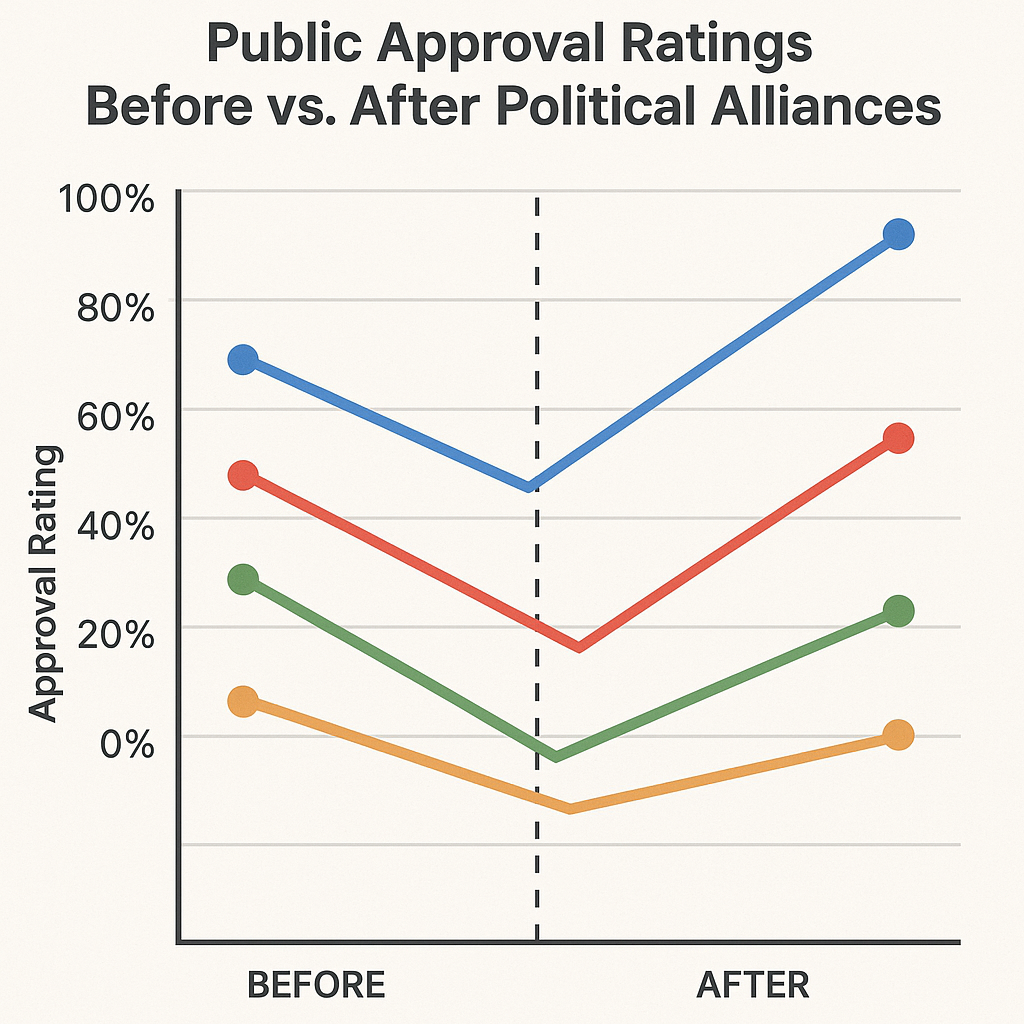
The immediate impact of these alliances often includes legislative breakthroughs and temporary surges in public approval. For example, the aforementioned AI regulation in Austin passed with an overwhelming majority, earning praise from civil liberties advocates and technology watchdogs alike. However, the longer-term effects are far more complex. Party loyalists, particularly at the local precinct level, have sometimes expressed feelings of betrayal, worrying that such deals erode party identity and undermine democratic accountability [1].
Public reaction has also been mixed. While some constituents applaud leaders for prioritizing results over ideology, others remain wary, fearing that expedient partnerships could mask deeper divisions or sideline marginalized voices. In the case of New Jersey’s education reform, subsequent debates over implementation and funding highlighted lingering mistrust among traditional stakeholder groups. The lasting effect on party trust and local governance may depend on the ability of these alliances to deliver sustained, tangible benefits to constituents.
Importantly, the backlash is not limited to party insiders or ideological hardliners. Local media and civic organizations have sometimes criticized such alliances for a perceived lack of transparency or accountability. This underscores the need for ongoing dialogue between officials and the communities they serve, as well as robust oversight mechanisms to ensure that cooperative efforts do not inadvertently compromise core democratic values.
Motivations: What Drives Unlikely Political Partnerships?
Delving into the motivations behind these alliances reveals a nuanced landscape of pragmatism, shared urgency, and shifting priorities. Many local leaders find themselves navigating issues that defy easy categorization or traditional party platforms. Urban safety, affordable housing, and the integration of new technologies present challenges that can only be addressed through broad-based cooperation. For example, city councils grappling with affordable housing shortages have often brought together progressive advocates for social justice and conservative proponents of property rights, united by a mutual interest in sustainable urban growth.
At the same time, the pressures of electoral competition and public accountability incentivize innovation in coalition-building. By partnering with ideological opponents, politicians can appeal to a wider spectrum of voters, demonstrate responsiveness, and sometimes insulate themselves from partisan backlash. This dynamic is particularly evident in closely contested districts or municipalities experiencing rapid demographic change, where the old rules of engagement no longer apply. Leaders must balance the benefits of cooperation with the risk of alienating their core supporters—a delicate calculus that shapes every decision.
It is important to note that these motivations do not guarantee lasting success. Coalitions built on immediate necessity may falter as priorities shift or as the spotlight fades. Nonetheless, the trend toward pragmatic partnership reflects an adaptive response to evolving political realities, challenging the notion that local politics must always mirror national divisions.
Risks and Rewards: Do Bizarre Alliances Heal or Deepen Divides?
One of the central questions surrounding bizarre political alliances is whether they foster long-term unity or simply paper over deeper divides. The rewards can be substantial: successful partnerships have led to groundbreaking legislation, increased civic engagement, and renewed faith in the potential for compromise. However, these benefits are often accompanied by significant risks. Alliances that appear opportunistic or short-lived may ultimately reinforce cynicism, as voters perceive them as transactional rather than transformational.
In practice, the outcomes are mixed. Where leaders have taken care to communicate openly and involve a broad cross-section of stakeholders, alliances have tended to endure and yield positive results. Conversely, coalitions forged solely for expediency have sometimes unraveled under scrutiny, leaving unresolved tensions and eroding trust. The challenge for local officials lies in ensuring that collaborative efforts are anchored in shared values and clear objectives, rather than merely serving as a means to an end.
Given these complexities, it is essential for both politicians and the public to approach such alliances with a critical but open-minded perspective. By weighing the potential for both healing and harm, communities can better navigate the uncertain terrain of modern local politics.
Media Coverage and Public Perception: Shaping the Narrative
The role of local media in framing these alliances cannot be overstated. Headlines that highlight the 'bizarre' or 'unprecedented' nature of political partnerships often influence public attitudes, sometimes reinforcing polarization or skepticism. Balanced reporting is crucial for providing context, explaining motivations, and highlighting the nuanced realities underlying cross-party collaboration. For instance, coverage of the Austin AI regulation alliance ranged from laudatory profiles to critical op-eds questioning the partners' long-term intentions [1].
Public perception, in turn, shapes the success and sustainability of these coalitions. When constituents are informed and engaged, they are more likely to support pragmatic solutions and hold leaders accountable. Conversely, sensationalistic or one-sided reporting can undermine trust, fueling division and impeding progress. Civic organizations and advocacy groups also play a vital role by facilitating dialogue and monitoring the outcomes of political partnerships, ensuring that diverse voices are heard and respected.
Ultimately, the interplay between media coverage and public opinion serves as a powerful feedback loop, either strengthening or destabilizing the alliances that increasingly define local governance. As communities adapt to new political realities, the demand for responsible, inclusive journalism has never been more urgent.
The Future of Local Political Alliances: Trends and Predictions
Looking ahead, it appears likely that the trend toward bizarre local alliances will continue, shaped by ongoing technological change, demographic shifts, and the persistent need for innovative solutions to complex problems. While some observers caution that such partnerships may be inherently unstable, others see in them the seeds of a more resilient and responsive political culture. It is possible that as local issues grow in complexity, traditional party structures will continue to adapt, making room for coalitions that transcend old boundaries [1].
However, predicting the future of political alliances is fraught with uncertainty. Factors such as shifting public opinion, new policy challenges, and changes in electoral dynamics could all influence the longevity and effectiveness of these partnerships. Leaders who can articulate clear, inclusive visions and maintain transparency will likely be best positioned to succeed. At the same time, ongoing scrutiny from media, civic organizations, and constituents will be critical in holding coalitions accountable and ensuring that cross-party collaboration remains a force for positive change.
As we reflect on the lessons of recent years, it is clear that bizarre political alliances, while not without risk, have the potential to redefine the boundaries of local governance and inspire new models of civic engagement.
