A New Era: How Deepfake AI and Generative Art Converge
The rapid convergence of deepfake artificial intelligence and generative art technologies marks a transformative chapter in digital media. At its core, deepfake AI leverages advanced machine learning models, particularly generative adversarial networks (GANs), to produce synthetic media with astonishing realism. Simultaneously, generative art powered by AI interprets vast datasets, crafting visual works that are often surreal, abstract, or uncannily lifelike. This technological synergy is not only expanding creative possibilities but also challenging our very notions of authenticity and artistic expression. Artists and technologists alike are experimenting with models such as DALL-E, Midjourney, and StyleGAN, blurring boundaries between human imagination and algorithmic output [1].
These breakthroughs are grounded in the explosion of accessible computing power and open-source frameworks. As a result, artists with limited coding backgrounds can now generate compelling visuals or reimagine classic artworks through simple prompts, making the technology remarkably democratic. The quality and realism of deepfakes—whether face swaps in videos or photorealistic portraits—continue to improve, driven by larger training datasets and more sophisticated neural architectures. This democratization introduces both excitement and apprehension: anyone with an internet connection can become a digital artist or media manipulator, which fundamentally changes the landscape of creative production [2].
Yet, while the technical marvels are impressive, the convergence also raises complex questions about the nature of authorship and the definition of art itself. Surreal AI-generated images often evoke strong emotional responses, challenging viewers to question what is real, what is imagined, and who—or what—deserves credit. As these tools become more accessible and integrated into mainstream platforms, their influence on visual culture and creativity is only poised to grow. This dynamic ecosystem sets the stage for a vibrant, yet uncertain, future in which creativity, authenticity, and technology intermingle in unprecedented ways.
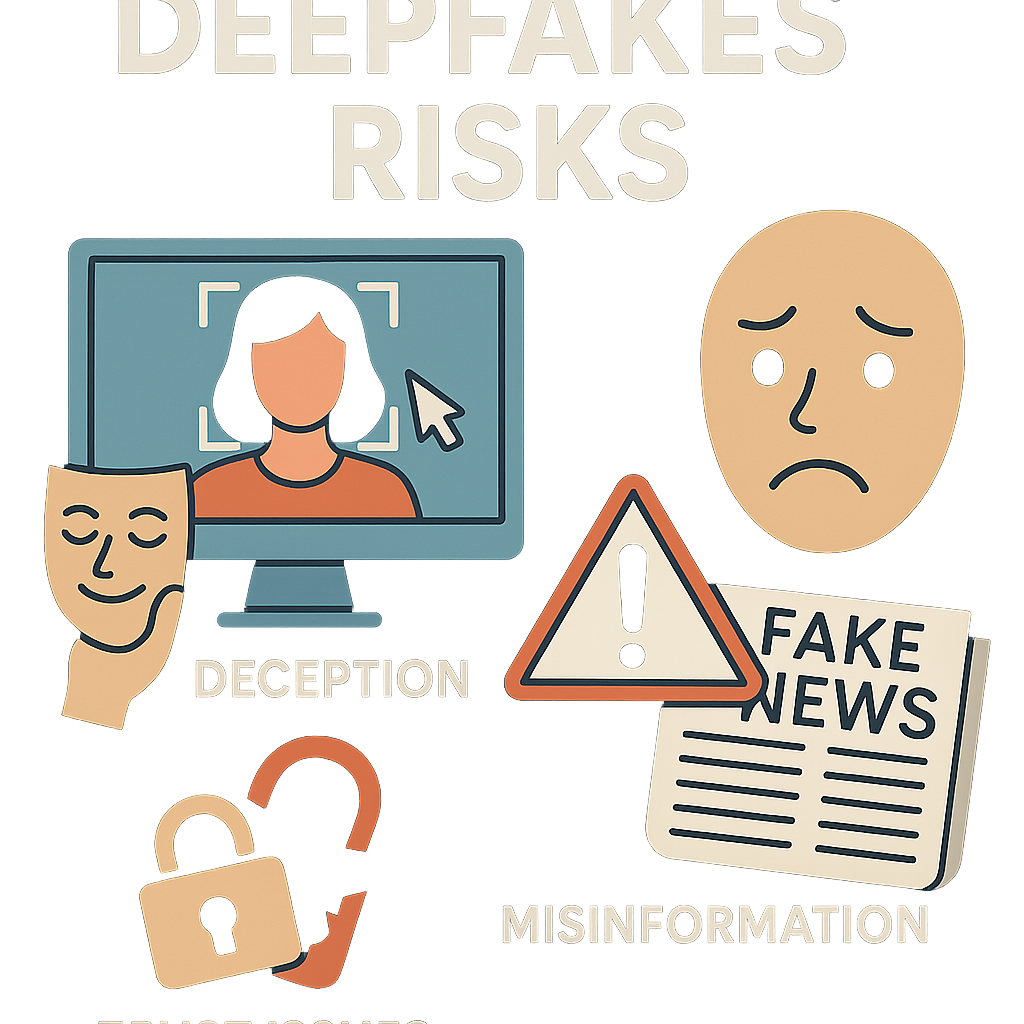
Viral Creativity: Surreal Art, New Media, and Cultural Buzz
The intersection of AI deepfakes and generative art is fueling a new era of viral creativity that captivates audiences and transforms the cultural landscape. Social media platforms have become fertile ground for AI-generated artworks and deepfakes to gain traction, as content spreads rapidly, provoking conversation and intrigue. Viral phenomena, such as digitally altered videos of celebrities or surreal landscapes generated by algorithms, often ignite debates about the limits of artistic expression and the ethics of digital manipulation [3]. Notably, high-profile auctions—like Christie’s 2018 sale of the AI-generated portrait “Edmond de Belamy”—demonstrate the commercial appeal and legitimization of tech-driven art within the traditional art market.
This cultural shift extends beyond the art world, influencing advertising, entertainment, and even grassroots activism. Brands are increasingly commissioning AI artists to produce unique campaigns that resonate with digital-native audiences, while filmmakers and musicians experiment with synthetic visuals and voices to push creative boundaries. These trends empower individual creators, who can harness AI tools to craft professional-grade content and build online followings without major institutional backing. The democratization of creative technology also means that previously marginalized voices now have more avenues to participate and innovate within the visual arts sphere [4].
However, the viral spread of deepfakes and AI art is not without controversy. While some praise the accessibility and innovative spirit, others voice concerns about originality, copyright, and potential misuse. As AI-driven visuals become increasingly sophisticated, distinguishing authentic works from synthetic creations grows more difficult. This ambiguity invites both excitement and unease, underscoring the need for ongoing public dialogue and responsible innovation as technology continues to shape visual culture in profound and unpredictable ways.
Risks, Detection, and the Future of Trust
As the capabilities of AI-generated deepfakes and surreal art grow, so too do the risks associated with their misuse. The proliferation of hyper-realistic synthetic media poses significant challenges to trust, identity, and public discourse. Deepfakes have already been implicated in high-profile misinformation campaigns, identity fraud, and political manipulation, prompting urgent concerns among policymakers, technologists, and civil society organizations [5]. For example, deepfake videos purporting to show public figures making statements they never uttered have the potential to erode trust in institutions and fuel social unrest.
To address these challenges, researchers and companies are racing to develop detection tools and regulatory frameworks. Techniques for identifying deepfakes often rely on analyzing digital artifacts, inconsistencies in facial movements, or metadata. However, as generative models improve, these telltale signs become harder to detect. Organizations like the Deepfake Detection Challenge and collaborations between academic and industry players are making strides, but detection remains an ongoing arms race [6]. In parallel, legal and ethical debates are underway regarding consent, privacy, and the responsibility of platforms to monitor and moderate synthetic media.
The future of trust in a synthetic reality may hinge on public education, technological safeguards, and transparent policy. While some experts remain optimistic about the development of robust authentication and provenance tracking systems, others caution that no technical solution is likely to be foolproof. Ultimately, building resilience against misinformation will require a holistic approach, combining technical innovation, ethical frameworks, and widespread awareness to ensure that creativity does not come at the expense of truth and trust.
Authorship, Originality, and Ethical Frontiers in AI Art
The blending of AI-driven creativity and human artistry compels a re-examination of long-standing notions of authorship and originality. Traditionally, artists have claimed ownership of their work, with clear attribution and established frameworks for copyright protection. AI-generated art, however, complicates these conventions, as algorithms remix existing data and styles to create novel outputs. This raises questions about whether credit should go to the programmer, the AI model, the dataset creators, or some combination thereof [7]. Such ambiguity has led to high-profile legal disputes and heated debates about intellectual property in the digital age.
These challenges are not purely academic; they have real-world implications for artists, collectors, and platforms. For example, cases of AI models inadvertently replicating protected works or infringing on individuals’ likenesses have prompted calls for new legal definitions and ethical guidelines. Some jurisdictions are beginning to explore policy responses, but a global consensus remains elusive. The debate extends to the moral responsibilities of creators and platforms: How should AI artists ensure the respectful and ethical use of source material, and what mechanisms exist to address potential harm?
To navigate this complex frontier, many artists and technologists advocate for transparent documentation of AI-generated works, including provenance records and open disclosures of algorithmic methods. Collaborative projects that pair human intuition with algorithmic power may offer a promising model, emphasizing co-creation rather than competition. Ultimately, as AI art continues to evolve, ethical stewardship and inclusive dialogue will be essential in ensuring that innovation respects both individual rights and collective cultural values.
Democratization and the Rise of AI-Enabled Creative Communities
The accessibility of AI tools has democratized creative expression on an unprecedented scale, allowing a diverse range of voices to participate in shaping visual culture. No longer the exclusive domain of technically skilled programmers or well-resourced artists, generative AI applications now empower hobbyists, students, and grassroots collectives to experiment with new forms of digital art. Online platforms such as Artbreeder, RunwayML, and DeepArt have lowered technical barriers, making it easier for non-experts to generate, remix, and share their creations globally [8].
This democratization has fostered vibrant online communities where collaboration and innovation thrive. Artists exchange techniques, provide feedback, and build collective projects that push the boundaries of AI-driven creativity. Many of these communities actively promote inclusivity, offering resources and mentorship to newcomers from underrepresented backgrounds. Such networks not only nurture emerging talent but also encourage ethical reflection, with ongoing discussions about responsible use, consent, and the cultural impact of synthetic media.
However, broader access also entails new responsibilities. As creative tools become ever more powerful, users must remain mindful of ethical considerations, including issues of bias in training datasets and the unintended consequences of mass content generation. Encouraging critical engagement and digital literacy will be crucial in maximizing the positive social impact of AI art while mitigating potential harms. By fostering transparent, supportive, and diverse creative ecosystems, the democratization of AI-driven art can unlock new avenues for self-expression and cross-cultural dialogue.
The Road Ahead: Innovation, Regulation, and Collective Imagination
The ongoing evolution of AI deepfakes and surreal tech art underscores the need for thoughtful innovation and adaptive governance. As algorithms continue to advance, future applications may include real-time video synthesis, immersive virtual environments, and entirely new artistic genres yet to be imagined. Such developments offer immense potential for education, accessibility, and cultural enrichment, but also introduce regulatory and ethical complexities that demand proactive attention [9].
Anticipating the trajectory of this field, experts advocate for balanced policy approaches that safeguard creative freedom while minimizing risks. International collaboration, public-private partnerships, and participatory regulatory processes may prove essential in establishing shared standards and accountability mechanisms. Some proposals include mandatory disclosure of AI-generated content, investment in digital provenance infrastructure, and enhanced support for media literacy initiatives. While no single solution will address all challenges, ongoing dialogue and flexible frameworks will be vital as technology, society, and creativity continue to co-evolve.
Looking forward, the fusion of human imagination and artificial intelligence could transform not only how we create art, but also how we understand identity, authenticity, and community. With careful stewardship, the age of AI-generated visuals may become a catalyst for deeper connection, reflection, and inclusive storytelling—if we remain committed to ethical innovation and collective imagination.
