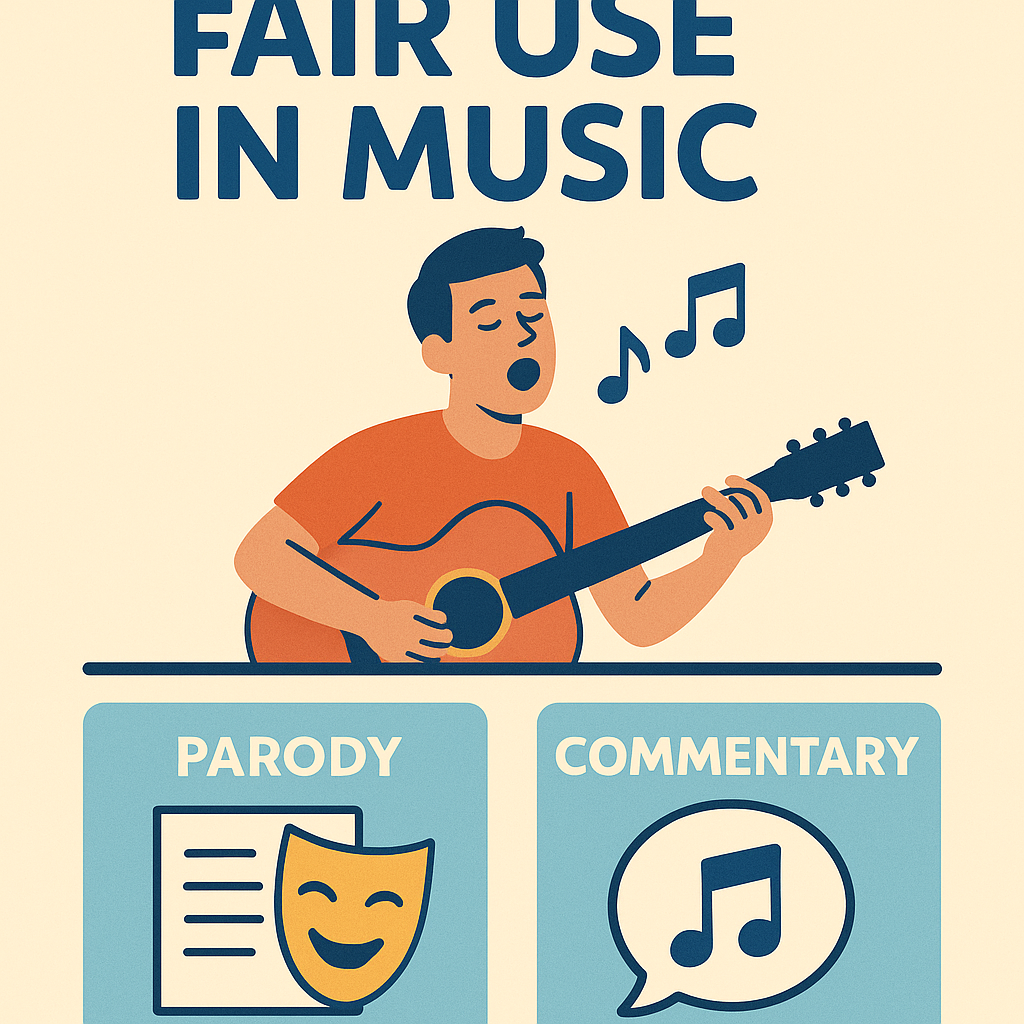
The Legal Bedrock: Fair Use and Musical Parody
When discussing musical parodies, it's essential to understand the legal framework that underpins this creative practice. In the United States, parody is often protected under the doctrine of 'fair use,' a crucial legal principle that allows artists to use portions of existing works without seeking explicit permission. This doctrine recognizes parody as a form of commentary or critique, enabling creators like 'Weird Al' Yankovic to craft humorous renditions of popular songs while contributing to public discourse. Despite these protections, the boundaries of fair use can be complex and sometimes subjective, with courts weighing factors such as the purpose, nature, and market effect of the parody.
Notably, Weird Al has consistently chosen to seek the original artist’s blessing before releasing a parody, even though the law may not require him to do so. This approach is both a strategic and ethical decision, helping to foster goodwill within the music industry while reducing the risk of legal disputes. For example, Al’s practice of contacting artists directly—even when their consent is not legally mandated—demonstrates a proactive respect for intellectual property and creative collaboration. His decision stands out in an industry where disputes over sampling and borrowing can often escalate into litigation or public feuds.
Furthermore, the way Weird Al navigates fair use reflects broader conversations about artistic freedom versus the rights of original creators. While some legal experts argue that parody is inherently transformative and should be broadly protected, others point out that not all adaptations qualify as parody under the law. Al’s careful navigation of these nuances, combined with his transparent and courteous approach, has contributed to his reputation as both a sharp satirist and an ethical practitioner of his craft.
Caption: Weird Al reviewing legal documents, highlighting his conscientious approach to parody law.
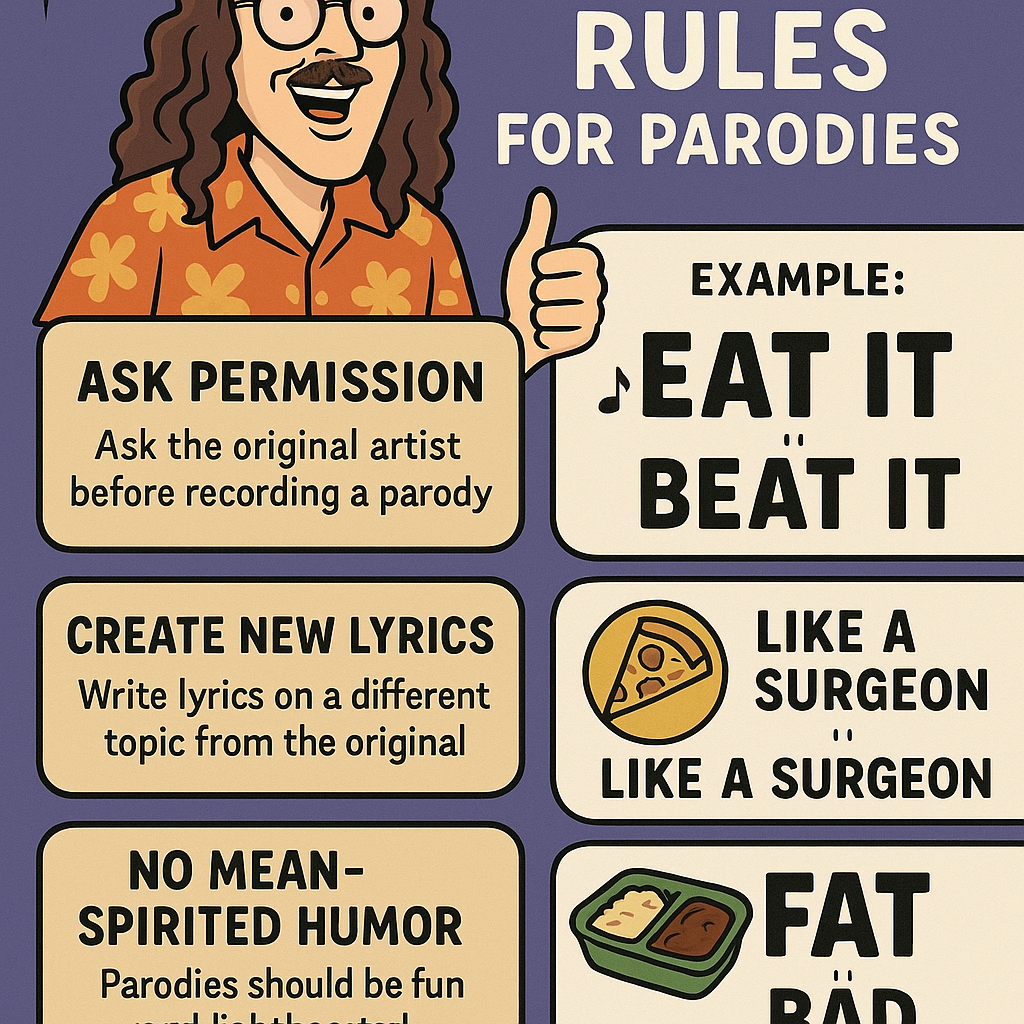
Parody by Principle: Weird Al’s Self-Imposed Rules
Beyond the legalities, Weird Al’s ethical standards set a high bar in the world of musical parody. Al has articulated a clear set of self-imposed guidelines that govern how he approaches each new project. Chief among these is his commitment to securing the artist's approval before producing and releasing a parody, regardless of the legal necessity. This practice, rooted in mutual respect, has allowed Al to build lasting professional relationships and avoid contentious disputes that have plagued other satirists.
Al’s ethical code extends to the substance of his parodies as well. He consciously avoids targeting individuals in ways that could be interpreted as cruel or mean-spirited. Instead, his humor is characterized by wit, wordplay, and a focus on universal themes, ensuring that his work entertains without alienating or harming its subjects. For example, in crafting “Amish Paradise” (a parody of Coolio’s “Gangsta’s Paradise”), Al sought Coolio’s blessing, even though a misunderstanding initially arose. This anecdote underscores Al’s intent to maintain respectful dialogue, even when navigating complex interpersonal dynamics.
Moreover, Al’s process involves careful research and a collaborative spirit. He often tweaks lyrics or presentation based on feedback from artists or their representatives, demonstrating flexibility and humility. These practices have contributed to a broader industry culture in which parody is viewed as a legitimate, respectful art form—so long as creators adhere to similar ethical standards. Through his actions, Al has influenced not only fellow parodists but also the way audiences and artists perceive the boundaries of satire.
Caption: Weird Al collaborating respectfully with musicians while developing a new parody.
Music Industry Pulse: Artist Reactions and Cultural Impact
The reactions of original artists to Weird Al’s parodies are as diverse as the music industry itself. Many musicians regard a Weird Al parody as a mark of distinction, viewing it as both a sign of mainstream success and a testament to the song’s cultural resonance. For instance, artists like Michael Jackson and Madonna embraced Al’s playful takes on their work, often acknowledging the role his parodies played in amplifying their own reach and legacy.
However, there have been rare instances of misunderstanding or initial resistance. The most famous case involves Coolio’s objections to “Amish Paradise,” which stemmed from a miscommunication rather than deliberate disrespect. Over time, such incidents are typically resolved through open dialogue, reflecting the mutual recognition of artistic intent and humor. These interactions highlight the evolving norms around parody, with many artists eventually appreciating the added publicity and renewed interest sparked by Al’s renditions.
Beyond individual responses, Weird Al’s influence has extended into the broader cultural fabric. His parodies have gone viral, generating discussion about the nature of satire, the limits of artistic license, and the value of good-natured humor in pop culture. This phenomenon underscores the power of respectful parody not only to entertain but also to foster a sense of community among artists and fans. The enduring popularity of Weird Al’s work suggests that, when approached ethically, musical satire can enhance rather than diminish the original creator’s legacy.
Caption: Musicians sharing a positive reaction to one of Weird Al’s parodies during a live event.
Building a Legacy: Weird Al’s Status in the Satirical Canon
Weird Al’s decades-long career has positioned him as a central figure in the landscape of musical satire. His commitment to ethical parody, creative excellence, and positive artist relations has allowed him to transcend mere novelty, earning respect from both industry peers and critics alike. Unlike many satirists whose work is seen as ephemeral, Al’s parodies have stood the test of time, entering the canon of pop culture reference points and shaping the genre for future generations.
Part of Al’s legacy rests on his ability to navigate shifting musical trends while retaining his signature style. From the early days of “Eat It” to more recent successes, his catalog demonstrates both versatility and a strong ethical compass. This consistency has set a standard for aspiring parodists, reinforcing the idea that humor and respect are not mutually exclusive. Through public interviews and appearances, Al often emphasizes the importance of these values, further cementing his influence as a thought leader in musical comedy.
Moreover, Al’s impact can be seen in the ways other artists approach their own work. Many now view parody as a potential avenue for cross-promotion and creative dialogue, rather than as a threat or affront. This shift in perspective is due, in no small part, to the groundwork laid by Al and his principled approach. As the industry continues to evolve, Al’s model of ethical engagement may well serve as a blueprint for balancing innovation, humor, and mutual respect in musical expression.
Caption: Weird Al being honored for his contributions to the art of parody and musical satire.
Ethical Parody in the Digital Age: Opportunities and Challenges
The digital era has introduced new dimensions to parody creation and distribution. With platforms like YouTube and TikTok democratizing the process, more creators than ever are experimenting with musical satire. This landscape brings opportunities for innovation but also raises ethical questions reminiscent of those Weird Al has long navigated. For instance, while digital tools make it easier to sample and remix songs, they also increase the risk of misattribution, misunderstandings, or unintended harm to original artists.
Weird Al’s model of seeking permission and maintaining open communication remains relevant, offering a template for responsible parody in an age of viral content. Yet, as the speed of online sharing accelerates, creators may face pressures to prioritize attention over ethics. This environment underscores the importance of adopting clear guidelines—such as those practiced by Al—to ensure that humor does not cross into disrespect or copyright infringement. Industry organizations and platforms may increasingly reference Al’s approach as a gold standard for digital-era parody.
It is important to note that the legal and ethical landscape is still evolving, with potential for future regulation or shifts in audience expectations. As new controversies and debates arise, Weird Al’s legacy could serve as a touchstone for balancing creative freedom with respect for fellow artists. Those who heed these lessons may not only avoid legal pitfalls but also cultivate more positive relationships with their peers and audiences alike.
Caption: Modern content creators draw inspiration from Weird Al’s ethical guidelines for digital parody.
Conclusion: Lessons from Weird Al for Today’s Creators
Weird Al Yankovic’s journey through the world of musical parody offers enduring lessons for creators navigating the intersection of humor, ethics, and artistic innovation. By voluntarily seeking permission and adhering to principles of respect, Al has fostered goodwill within the music industry and elevated the art of parody itself. His approach demonstrates that it is possible to craft incisive satire without resorting to cruelty or disregard for the original artist’s intentions.
As the boundaries of creative expression continue to expand, Al’s example serves as a reminder that ethical considerations can coexist with artistic freedom. Musicians and content creators, whether established or emerging, may benefit from adopting similar practices—communicating openly with peers, seeking consent where appropriate, and striving for humor that uplifts rather than denigrates. In doing so, they help sustain a vibrant, inclusive culture of satire that honors both tradition and innovation.
Looking ahead, the evolving landscape of digital content and intellectual property rights may present new challenges and opportunities. However, if Weird Al’s career is any indication, an ethic of respect, dialogue, and creative excellence can lay the groundwork for lasting impact and cultural significance. Readers and creators alike are encouraged to reflect on these lessons, considering how they might apply such values in their own artistic endeavors.
Caption: Weird Al sharing insights on parody ethics with aspiring artists, fostering a culture of respect and creativity.
