
Tech’s Invisible Sidekick: Everyday AI in Action
Artificial intelligence (AI) has seamlessly integrated into the fabric of daily life, powering a vast array of experiences that many people take for granted. From unlocking smartphones with a simple glance to receiving personalized news feeds or playlist recommendations, AI quietly operates behind the scenes, anticipating needs and streamlining tasks. This invisible sidekick supports everything from autocorrect suggestions in messages to real-time navigation updates during commutes. For instance, when a user unlocks their phone with facial recognition, a sophisticated algorithm processes minute facial features in milliseconds. Similarly, social media platforms deploy AI to curate feeds based on individual user interests, habits, and interactions, ensuring content remains engaging and relevant. However, these systems, impressive as they are, are not immune to moments of unpredictability or surprise.
While AI systems often function with remarkable accuracy, users occasionally encounter situations where they deviate from expectations. Sometimes, a recommended song seems comically out of place, or a voice assistant misinterprets a command, leading to unintended results. These occurrences, although often minor, highlight both the power and limitations of modern AI. The breadth of AI's involvement in everyday life means even small glitches can feel surprisingly personal, creating moments that are equal parts amusing and frustrating. As reliance on AI technologies grows, understanding their quirks becomes not just a matter of curiosity, but also of practical importance for individuals and communities alike.
By recognizing the pervasiveness of AI, users can better appreciate the delicate balance between convenience and complexity that defines this technology. As AI continues to evolve, staying attuned to its capabilities—and its occasional lapses—may help foster a more informed and adaptable relationship with the digital tools that shape daily experiences.
Section summary: AI quietly powers many daily routines, sometimes surprising users with its invisible yet impactful presence.
Caption: AI integrates into daily routines, from unlocking phones to curating feeds.
Quirks, Glitches, and Fail Moments: When AI Surprises Us
Despite remarkable advances, AI systems occasionally misfire in ways that are both unexpected and memorable. Autocorrect blunders are a familiar example: while designed to assist with typing, these systems sometimes convert intended words into humorous or nonsensical phrases, often leading to unintentional comedy or confusion. Another widely experienced quirk occurs with voice assistants, such as smart speakers, which may misinterpret speech, activating unintentionally or failing to grasp simple commands. These moments are not just isolated incidents but reflect common challenges in AI’s efforts to parse language and context accurately.
AI-driven recommendations also provide fertile ground for surprising glitches. For example, an e-commerce platform might suggest completely irrelevant products, or a video streaming service could recommend content that is incongruent with a user’s interests. These anomalies, while sometimes entertaining, can disrupt user experience and prompt questions about how algorithms interpret data. In certain cases, AI-generated captions or translations produce unintentionally humorous or inappropriate results, demonstrating the limits of current natural language processing capabilities. Such instances serve as reminders that even state-of-the-art AI is far from perfect, and its “fail moments” are a natural byproduct of its ongoing development.
These quirks and glitches often become talking points among users, who share screenshots and stories across social media platforms, contributing to a collective awareness of AI’s imperfections. While such incidents can be frustrating, they also present opportunities for dialogue about the real-world limitations of technology, fostering a sense of shared experience and sometimes even humor in the face of digital unpredictability.
Section summary: AI glitches—from autocorrect fails to odd recommendations—regularly surprise users, highlighting the technology’s evolving nature.
Caption: Even helpful AI features like autocorrect can result in amusing glitches.

Why AI Gets It Wrong: Underlying Causes and Human Impact
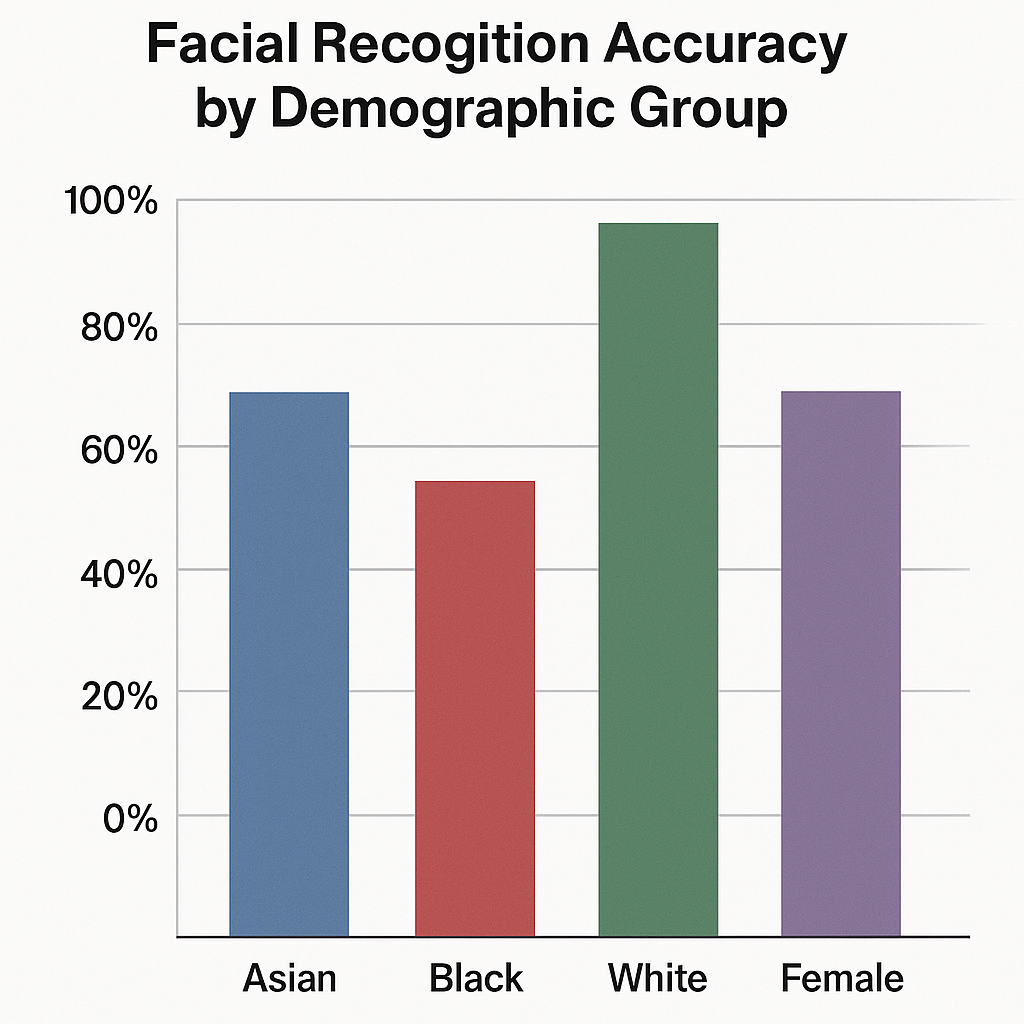
AI systems, despite their sophistication, are fundamentally limited by the data and algorithms that power them. One common source of error lies in the quality and diversity of the data used during training. When training datasets are incomplete or unrepresentative, AI may develop biases or struggle to handle edge cases, leading to misinterpretations or unexpected outputs. For example, facial recognition tools have shown varying accuracy across demographic groups due to imbalanced training data, raising important concerns about fairness and inclusivity [1].
Another challenge emerges from the inherent complexity of human language and behavior. Natural language processing models, which drive many AI interactions, must contend with slang, sarcasm, and contextual subtleties that often escape even the most advanced algorithms. As a result, voice assistants and chatbots may misunderstand intent or fail to provide accurate responses. Additionally, AI systems operate within dynamic, real-world environments that are inherently unpredictable. External factors—such as background noise for a voice assistant or unusual purchasing behavior—can confound even well-trained models, resulting in errors that feel quirky or inexplicable to users.
The impact of these failures extends beyond individual frustration. When AI systems misfire, they can erode user trust or inadvertently reinforce stereotypes and biases. This underscores the ethical imperative for developers to ensure transparency, regularly audit training data, and seek diverse perspectives during system design. By understanding the root causes of AI quirks and glitches, stakeholders can work towards creating more equitable, reliable, and user-friendly technologies that better serve everyone.
Section summary: AI errors often stem from biased data, language complexity, and real-world unpredictability, affecting user trust and inclusivity.
Caption: AI performance can vary by demographic, highlighting the need for inclusive data.
Learning from AI’s Mistakes: Improvement through Feedback
One of the most effective strategies for refining AI systems is leveraging user feedback to address errors and enhance performance. When users report or share examples of glitches, developers gain valuable insights into real-world usage patterns and edge cases that may not have surfaced during initial testing. For example, widely shared autocorrect fails have inspired updates that recognize more diverse vocabulary and nuanced linguistic contexts. Similarly, user feedback about irrelevant recommendations has led platforms to introduce features that allow users to refine or reset their preferences.
Continuous learning and adaptation are key principles in modern AI development. Many platforms now incorporate mechanisms for users to flag errors or rate the relevance of suggestions, creating feedback loops that help models learn from mistakes. This collaborative process not only improves technical accuracy but also fosters a sense of agency and partnership between users and technology providers. By openly acknowledging AI’s limitations and inviting input, companies can demonstrate a commitment to transparency and user empowerment.
Nonetheless, there are important considerations around privacy and data security. While user feedback is invaluable, it must be collected and utilized in ways that respect individuals’ rights and consent. Clear communication about how data is used—and strong safeguards—are essential to maintaining trust and inclusivity as AI systems continue to evolve. Ultimately, learning from AI’s mistakes is a shared journey, requiring cooperation and ethical vigilance from all parties involved.
Section summary: User feedback helps AI systems learn from their mistakes, driving improvements while requiring ethical data practices.
Caption: Feedback loops between users and developers help AI adapt to real-world needs.
Designing for Resilience: Building Robust AI for Everyday Life
Developers are increasingly focused on building AI systems that can withstand the quirks and unpredictabilities of real-world environments. This resilience involves both technological advancements and thoughtful design choices. Techniques such as adversarial training, scenario testing, and the inclusion of diverse data sources help models handle a broader range of situations. For example, by exposing models to a variety of accents, background noises, and linguistic variations, developers can reduce misinterpretation rates in voice assistants and improve accessibility for users with different speech patterns.
Resilient AI design also encompasses proactive error handling and transparency features. Many systems now provide explanations for their decisions, or prompt users to confirm actions before proceeding in ambiguous situations. These features not only mitigate the impact of potential glitches but also empower users to make informed choices. In addition, multidisciplinary teams—including ethicists, linguists, and community representatives—are increasingly involved in the design and testing process, ensuring that AI reflects a broad spectrum of perspectives and needs.
Despite ongoing progress, it is important to recognize that no system can be entirely immune to error. By prioritizing resilience and inclusivity, however, developers can create AI technologies that are better equipped to adapt to the messy, dynamic realities of everyday life. Ultimately, resilient AI enhances trust, usability, and long-term adoption, benefiting both individuals and society as a whole.
Section summary: Robust AI design uses diverse data, transparent features, and multidisciplinary input to reduce quirks and build user trust.
Caption: Diverse teams and testing environments contribute to resilient AI design.
The Human Element: Embracing Imperfection and Shaping the Future
While AI continues to advance at an impressive pace, its occasional quirks and glitches serve as reminders of the essential role that human judgment and adaptability play in technology. These moments highlight the value of human intuition—something that no algorithm can fully replicate. As users encounter AI’s imperfections, they develop a greater appreciation for both the strengths and limitations of the technology, fostering digital literacy and critical thinking.
There is also a cultural dimension to AI’s fail moments. Shared stories of autocorrect disasters or inexplicable recommendations create opportunities for connection and humor, emphasizing that even advanced technology remains a work in progress. Embracing these imperfections can inspire more open conversations about what people want and need from AI, encouraging greater involvement in shaping its development. By sharing experiences, users help drive demand for more transparent, ethical, and user-centered technologies.
Looking ahead, it is important to acknowledge that AI may never be flawless, and that new types of glitches could emerge as systems grow in complexity. Nonetheless, by actively engaging with technology’s development—through feedback, dialogue, and advocacy—everyone can contribute to a future in which AI is not just powerful, but also responsible and responsive to the needs of all users.
Section summary: Human experience and participation are key to embracing AI’s quirks and guiding its future evolution.
Caption: Sharing experiences with AI’s imperfections fosters digital literacy and connection.
Join the Conversation: Your AI Stories Matter
As AI becomes an ever-present companion in everyday life, individual experiences with its quirks and glitches become invaluable to shaping the next generation of technology. Sharing stories—whether amusing, frustrating, or thought-provoking—provides crucial insight for developers and fellow users alike. By bringing these moments to light, communities can influence how AI evolves, ensuring it better reflects diverse perspectives and needs.
Readers are encouraged to participate in ongoing dialogues about AI’s role in daily routines. Engaging with forums, social media, and product feedback channels not only raises awareness of common challenges but also highlights the collective power to drive change. As companies and researchers pay increasing attention to user input, every shared experience becomes a building block for smarter, more inclusive technology.
The journey towards more reliable, human-centered AI depends on collaboration between developers, users, and broader society. By taking an active role in conversations about AI’s quirks and improvements, everyone can help shape a future where technology is both innovative and accountable.
Section summary: Sharing everyday AI experiences drives innovation and creates more inclusive, responsive technology for all.
Caption: Community input shapes the direction of future AI development.
