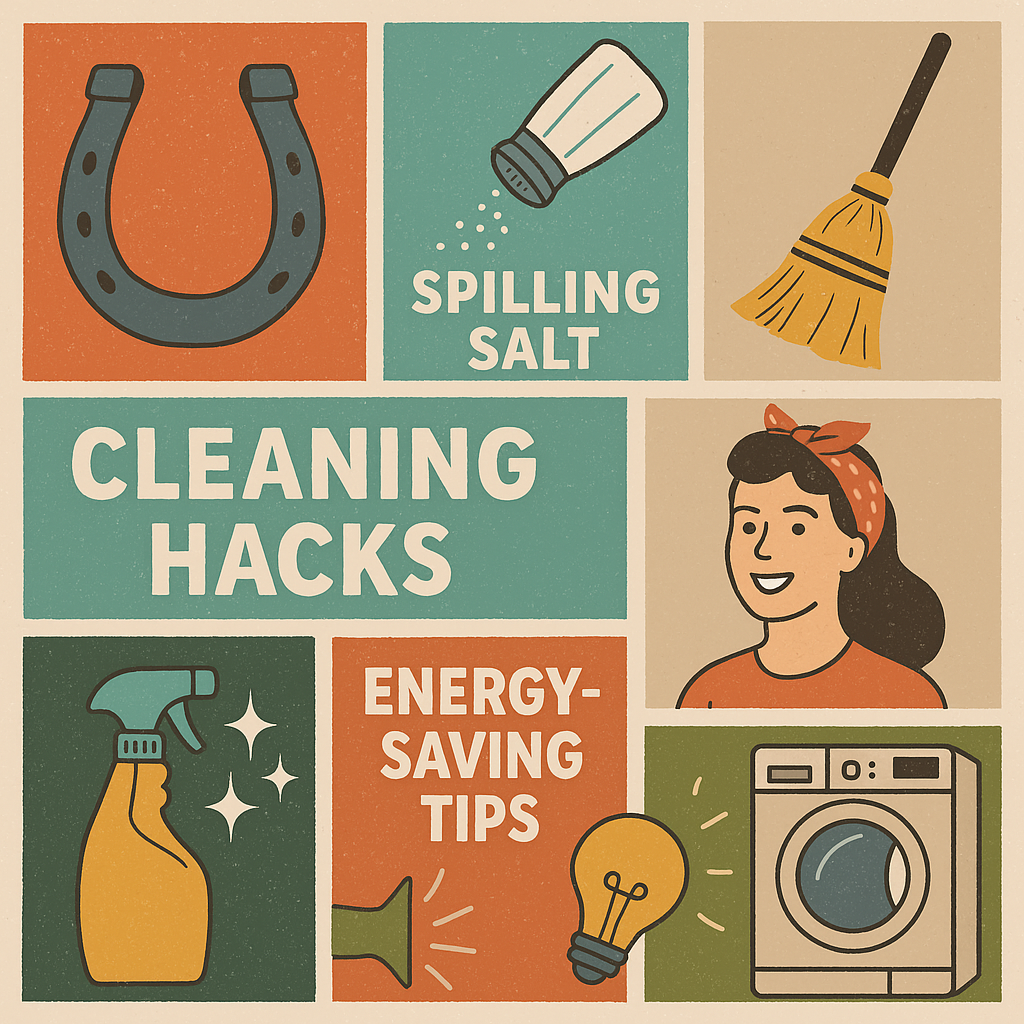
Why We Still Believe: The Psychology Behind Household Superstitions
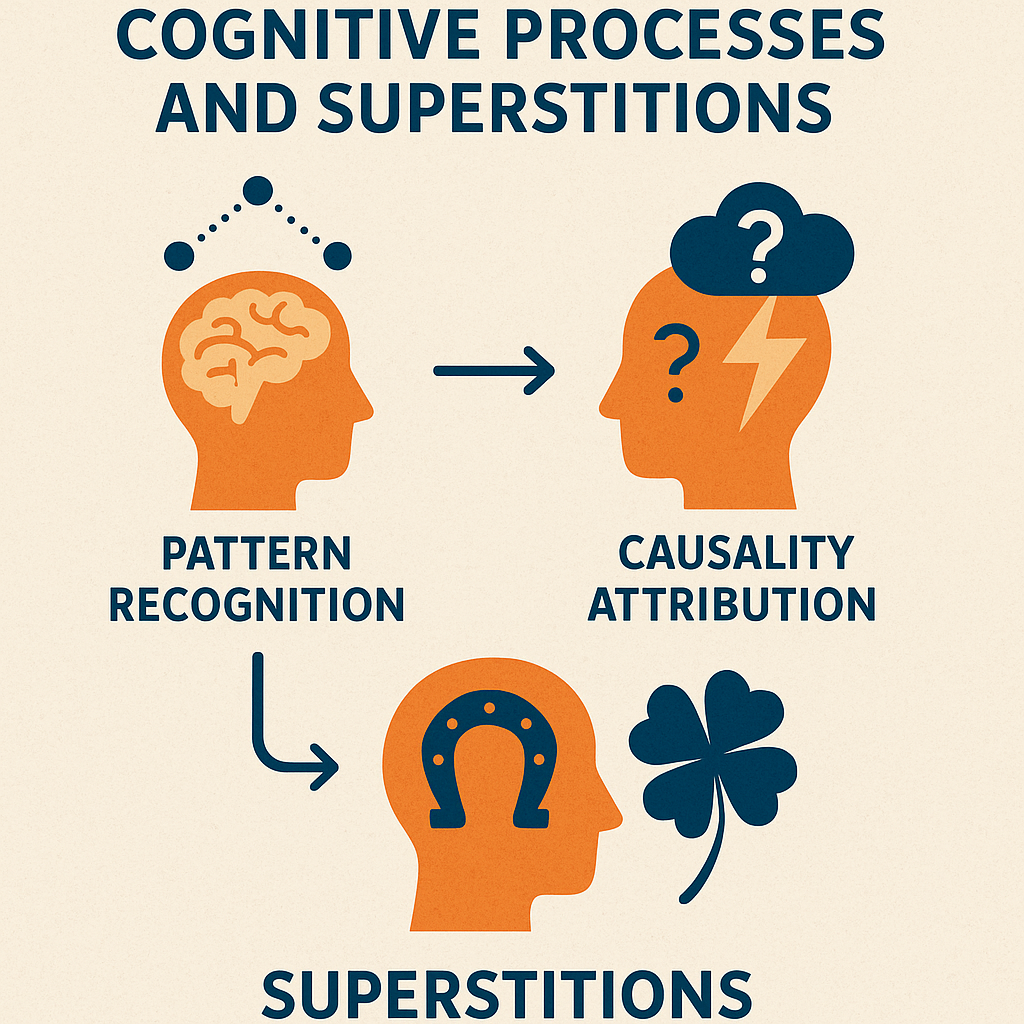
Superstitions have been a part of human experience for centuries, shaping daily life in subtle and overt ways. Recent surveys suggest that nearly 75% of people acknowledge practicing at least one superstition at home, even if unconsciously. The enduring nature of these beliefs can be traced to psychological processes such as pattern recognition, the human tendency to attribute causality, and the desire for control in uncertain environments. When faced with ambiguous or stressful situations, individuals may revert to superstitious rituals to reduce anxiety or foster a sense of predictability. Cognitive psychologists argue that superstitions serve as coping mechanisms, especially in contexts where outcomes feel beyond one’s control—such as the safety of family or the luck associated with major life changes.
Demographic trends reveal interesting variations in how superstitions manifest. Older generations, for instance, may cling more firmly to certain home-related rituals passed down through families, while younger individuals might embrace new ‘myths’ circulating via digital culture. Gender, cultural background, and even socioeconomic status can influence the types and frequency of household superstitions. Despite increasing scientific literacy, superstitious beliefs persist, partly because they satisfy emotional needs for security and comfort. The process of learning through observation—watching parents or community members engage in certain rituals—also reinforces these practices, embedding them deeply in personal and collective routines.
In sum, the psychology behind household superstitions demonstrates how deeply our beliefs are woven into the fabric of daily life, bridging the gap between tradition and modernity. Understanding these roots can empower individuals to reflect on which habits are truly meaningful versus those driven by unfounded fears or assumptions.
Section Summary
The psychology of household superstitions reveals why these beliefs persist as coping mechanisms and cultural habits.
Classic Household Superstitions: Old Beliefs in New Homes
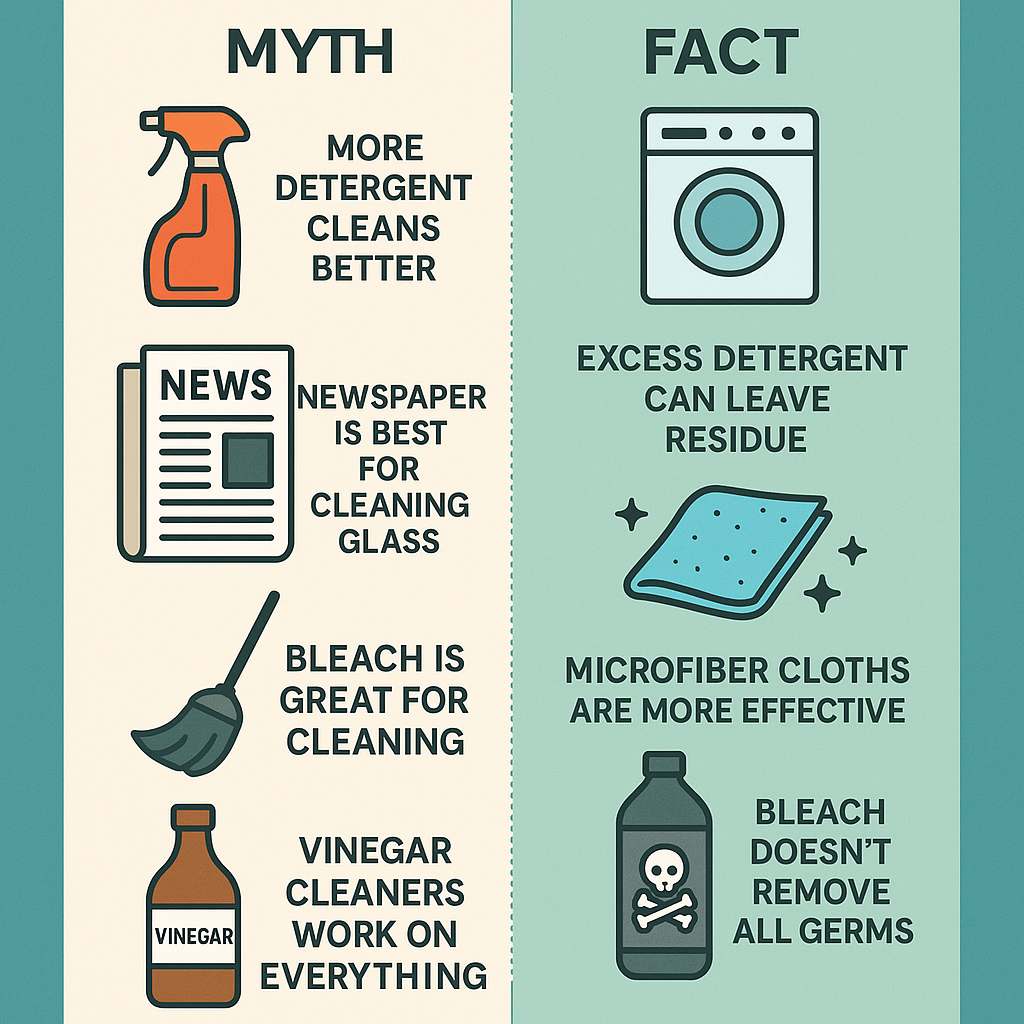
Classic household superstitions have a remarkable staying power, adapting to new settings while maintaining their core narratives. Examples abound: knocking on wood to ward off misfortune, not opening an umbrella indoors for fear of bad luck, or hanging a horseshoe above the door to attract positive energy. Many families continue to follow these traditions, sometimes modifying them for modern apartments or urban lifestyles. The practice of placing salt at doorways to keep negative influences away, for example, now appears in contemporary ‘wellness’ trends, echoing ancient customs from various cultures.
Regional and cultural variations play a significant role in shaping which superstitions are prominent. In the American South, it’s common to paint porch ceilings ‘haint blue’ to deter spirits, while Scandinavian homes may feature symbolic brooms to sweep away bad luck. Superstitions related to moving house—like entering with bread and salt or avoiding moving on a Friday—are still observed in many communities. Often, these rituals serve a dual function: providing comfort through routine, and connecting individuals to cultural heritage. Notably, these beliefs do not exist in a vacuum; social media and pop culture have helped some traditions transcend geographic boundaries, creating hybrid rituals that blend old and new influences.
By examining the evolution of household superstitions, it becomes clear that even in the most technologically advanced societies, old beliefs continue to shape daily routines. Whether observed strictly or adapted playfully, these rituals offer insight into what people value and fear within their personal spaces.
Section Summary
Classic household superstitions continue to thrive in modern settings, evolving across cultures while retaining their core meanings.
Modern Myths: Separating Fact from Fiction in Everyday Life
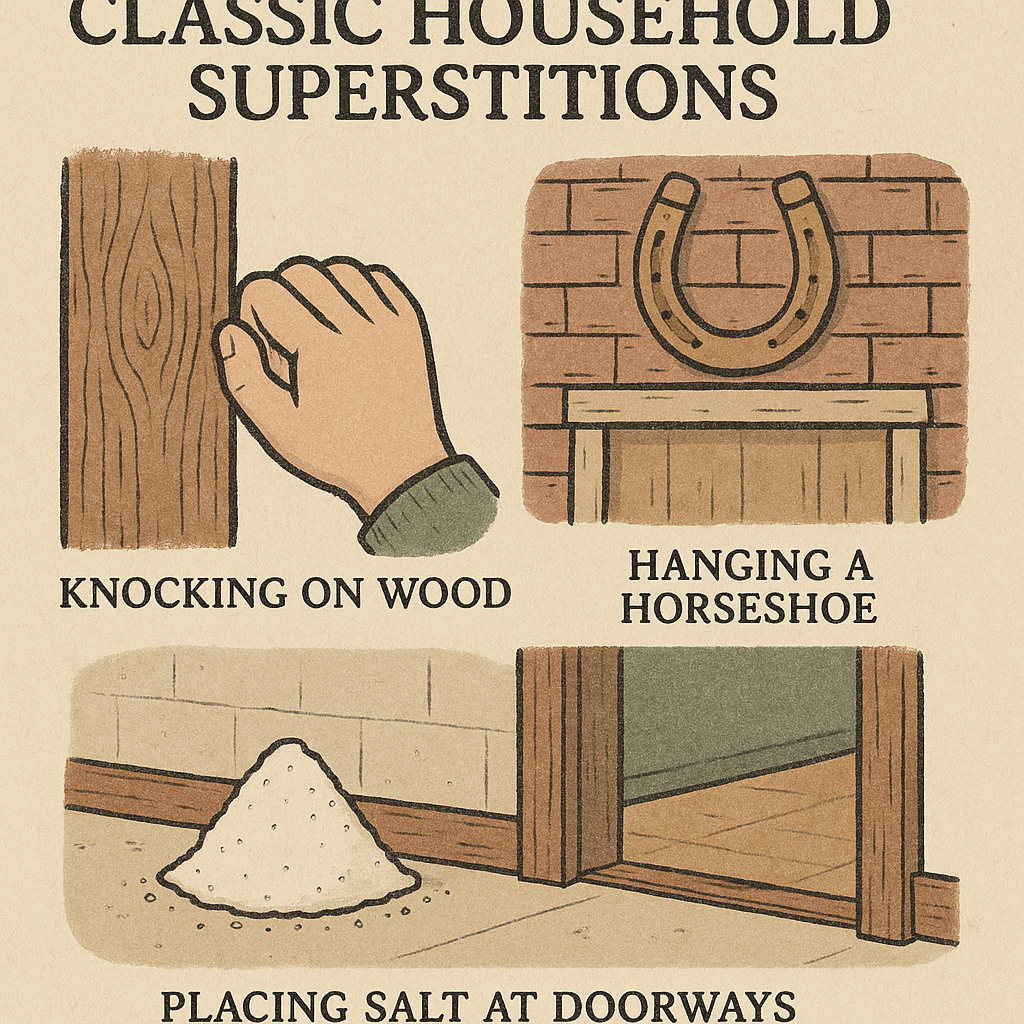
Modern households are not immune to the creation of new myths, many of which circulate through social media and word of mouth. Cleaning ‘hacks’ like using cola to clean toilets or microwaving sponges to kill bacteria, for example, have become widespread. While some of these tips may have a basis in reality, others lack scientific backing or could even be unsafe. For instance, research has shown that microwaving a sponge may reduce some bacteria, but it does not eliminate all pathogens, potentially giving a false sense of cleanliness.
Appliance ‘rules’—such as always unplugging devices to save energy, or running a dishwasher only at night for cost savings—often originate from outdated advice or misunderstandings. While energy conservation remains important, modern appliances are typically more efficient and may not require such strict routines. Misinformation can lead to unnecessary habits that have little impact on safety or household budgets. Separating fact from fiction requires critical thinking and a willingness to consult reliable sources, such as scientific studies or government guidelines.
By scrutinizing these modern myths, readers can adopt practices that are both effective and safe, while letting go of habits that offer little tangible benefit. This approach promotes a healthier, more informed relationship with one’s home environment, empowering individuals to make choices based on evidence rather than anecdote.
Section Summary
Modern household myths often lack scientific support, emphasizing the need to verify everyday advice before adopting new routines.
Superstitions Across Cultures: A Comparative Perspective
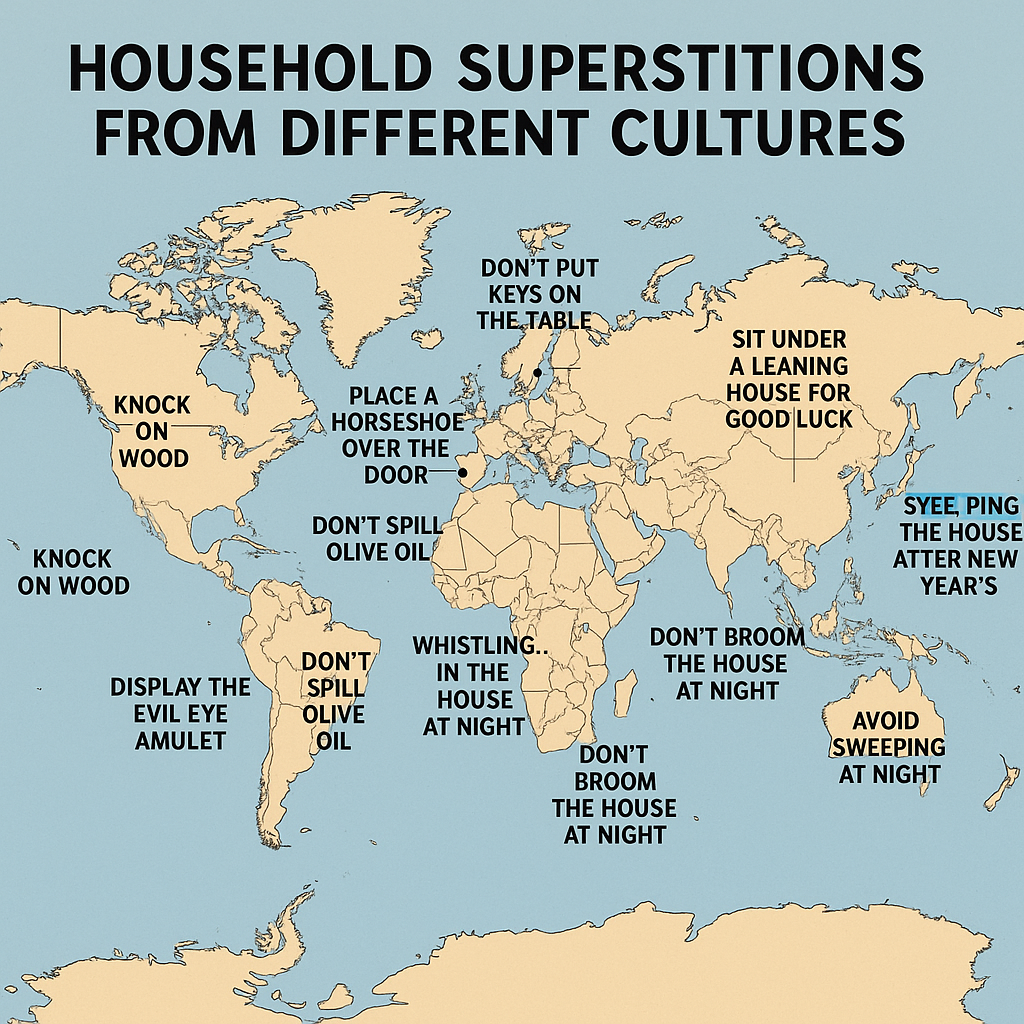
Household superstitions exhibit remarkable diversity across cultures, with certain beliefs uniquely tailored to specific regions while others are surprisingly universal. In East Asia, for example, the placement of furniture according to feng shui principles aims to balance energy and bring harmony to the home. In Italy, it is considered bad luck to place a hat on a bed, while in parts of India, sweeping the house at night is believed to invite poverty. Such practices reflect local values and historical contexts, demonstrating how superstitions serve as a means of cultural expression.
Despite these differences, many household superstitions share underlying themes, such as protection, prosperity, and well-being. The concept of threshold rituals—actions performed at doors or windows to guard against misfortune—appears in a variety of cultures, from mezuzahs in Jewish homes to bells hung near entryways in Greece. These rituals offer not just comfort, but a sense of belonging and continuity within a community. Increasing globalization has led to cross-cultural borrowing, with traditions like lucky bamboo or evil eye charms appearing in homes far from their origins.
Understanding the cultural context of household superstitions can foster greater appreciation for the rich tapestry of global beliefs. While some rituals may seem peculiar or outdated, they often carry deep personal or communal significance. Recognizing these nuances can encourage more inclusive and respectful conversations around tradition and change.
Section Summary
Household superstitions differ widely across cultures, yet often address similar themes of safety, prosperity, and belonging.
The Role of Media and Technology in Spreading Myths
In today’s hyper-connected world, media and technology play pivotal roles in the propagation of both traditional superstitions and modern myths. Social platforms, blogs, and video tutorials can quickly amplify unverified claims or household hacks, sometimes outpacing expert advice. Viral content may encourage viewers to try new cleaning methods or safety tips without critical evaluation, leading to the rapid entrenchment of new routines. This dynamic is not inherently negative; media can also debunk myths and promote science-based practices when used responsibly.
Technology has enabled the global circulation of household rituals, creating hybrid traditions that blend elements from different cultures. For example, influencers might showcase rituals for good luck during home renovations, incorporating practices from both Eastern and Western traditions. The accessibility of online forums fosters discussion and crowdsourcing of advice, but also blurs the line between tradition and trend. It becomes crucial for individuals to develop media literacy skills, evaluating sources for credibility and cross-referencing claims with trusted authorities.
Ultimately, the influence of media and technology underscores the need for ongoing public education about critical thinking. By leveraging these tools thoughtfully, households can benefit from both time-honored wisdom and contemporary innovation, while avoiding the pitfalls of misinformation.
Section Summary
Media and technology rapidly spread both household superstitions and modern myths, making media literacy essential for informed decision-making.
Breaking the Cycle: How to Spot and Debunk Household Myths
Recognizing and questioning household superstitions and myths is a valuable skill that can enhance well-being and foster personal agency. The first step is to approach routines with curiosity, asking whether a particular habit is grounded in evidence or simply inherited through repetition. Consulting reputable sources—such as scientific publications, consumer safety organizations, or government agencies—can help verify or refute commonly held beliefs. For example, rather than relying on anecdotal advice for home remedies, one might seek out guidance from registered experts or peer-reviewed studies.
Community discussions can also be powerful tools for collective myth-busting. Sharing experiences and insights, whether at family gatherings or via online forums, can illuminate the origins and impacts of certain superstitions. Encouraging open conversations about what works and what doesn’t allows individuals to make informed choices that align with their values and current knowledge. Importantly, it is helpful to approach these dialogues with empathy and respect, acknowledging that rituals often hold deep sentimental meaning for others.
By embracing a mindset of critical reflection, households can adapt beneficial practices while letting go of unfounded fears. This approach not only supports personal growth, but also contributes to a more rational, inclusive, and empowered community. Readers are encouraged to challenge myths thoughtfully and share accurate information to foster positive change.
Section Summary
Critical reflection and open discussion are key to identifying and overcoming household superstitions and myths.
Conclusion: Tradition, Change, and the Future of Household Beliefs
Household superstitions and modern myths continue to shape routines, bridging tradition and contemporary life. As society evolves, so too do the stories and practices we carry into our homes. While some beliefs provide comfort and foster community, others may hinder well-being or perpetuate misinformation. The interplay between old and new is dynamic, influenced by culture, psychology, and technology.
Looking forward, increased access to information and growing scientific literacy may gradually reduce the prevalence of unfounded myths. However, traditions are unlikely to disappear entirely; they could evolve, adapting to new environments and societal needs. The key lies in balancing respect for cultural heritage with a commitment to critical thinking. Individuals can choose which rituals enrich their lives, while discarding those that no longer serve a constructive purpose.
Ultimately, the ability to discern between fact and fiction empowers households to create meaningful, evidence-based routines. By fostering dialogue and media literacy, communities can navigate the future of household beliefs with confidence and inclusivity.
Section Summary
Household beliefs are continually evolving, and a balanced approach empowers individuals to embrace tradition while making informed choices.
