
Understanding Agentic AI: Beyond Automation
Agentic AI, or agentic artificial intelligence, represents a new paradigm in the development of intelligent systems. Unlike earlier forms of automation that followed preset instructions and reacted passively to inputs, agentic AI systems are capable of setting goals, making independent decisions, and adapting dynamically to new environments. These systems act with a form of 'agency,' meaning they autonomously pursue objectives on behalf of users, frequently optimizing their strategies without explicit step-by-step human guidance. This level of autonomy marks a significant departure from traditional AI, which often relied on narrowly defined rules or static machine learning models.
One defining feature of agentic AI is its capacity to coordinate complex actions across multiple domains, learning from experience and feedback to enhance future performance. Such systems can interpret ambiguous or incomplete instructions, reason about optimal next steps, and proactively seek additional information to achieve the best outcomes. For instance, an agentic AI could manage your personal schedule, coordinate with other apps, and reschedule meetings autonomously if conflicts arise. These capabilities open up new opportunities for personalized, adaptive technology experiences, moving beyond simple task automation to true collaboration between humans and machines.
The evolution toward agentic AI is driven by advancements in machine learning, natural language processing, and decision-making algorithms. Key breakthroughs include reinforcement learning, which allows AI agents to learn through trial and error, and transformer models, which improve language understanding and contextual reasoning. As a result, agentic AI is not only more flexible than prior systems but can also deliver more relevant, user-centered outcomes. The transition from rule-based automation to agentic systems marks a pivotal shift in how we interact with technology, enabling solutions that are both more responsive and proactive in serving human needs.
As agentic AI becomes increasingly integrated into everyday tech, users benefit from technology that adapts to their preferences and evolving contexts. This adaptive, goal-oriented approach could drive the next major wave of digital transformation, where intelligent agents handle everything from routine tasks to complex problem-solving, freeing up human attention for higher-level decision-making.
Caption: Illustration of an agentic AI managing tasks across different devices and services.

Agentic AI in Everyday Technologies: Real Use Cases
Agentic AI is no longer a distant vision; it is already powering a diverse range of applications across industries, fundamentally reshaping how we interact with technology daily. In the finance sector, agentic AI systems are used to optimize investment portfolios, detect fraud, and automate financial planning by dynamically adapting to market shifts and user preferences. Healthcare has witnessed the deployment of agentic AI in personalized patient monitoring, medication management, and predictive diagnostics, enabling more proactive care tailored to individual needs.
Logistics and supply chain management benefit from agentic AI through automated route planning, real-time inventory adjustments, and demand forecasting. These systems can analyze vast data streams, predict disruptions, and autonomously reroute shipments or adjust warehouse operations to ensure optimal efficiency. In customer service, agentic AI powers conversational agents that not only respond to queries but also anticipate customer needs, escalating complex issues to human agents when necessary, and continually learning to improve their effectiveness over time.
Personalized marketing is another area transformed by agentic AI. These systems can autonomously segment audiences, tailor content, and optimize outreach strategies based on real-time engagement data. The result is a more relevant, user-centric experience that boosts both customer satisfaction and business performance. Importantly, agentic AI’s self-directed adaptability means these benefits extend beyond isolated applications, creating seamless experiences across devices and platforms that continuously evolve to better serve users.
Real-world examples such as intelligent personal assistants, automated medical triage tools, and dynamic recommendation engines demonstrate how agentic AI is already quietly revolutionizing everyday tech. As these systems become more prevalent, users can expect increasingly intuitive, responsive, and empowering technology experiences—underscoring the transformative potential of agentic AI across daily life.
Caption: Example of agentic AI integrating healthcare, finance, and personal scheduling.
Market Impact, Trends, and the Viral Potential of Agentic AI
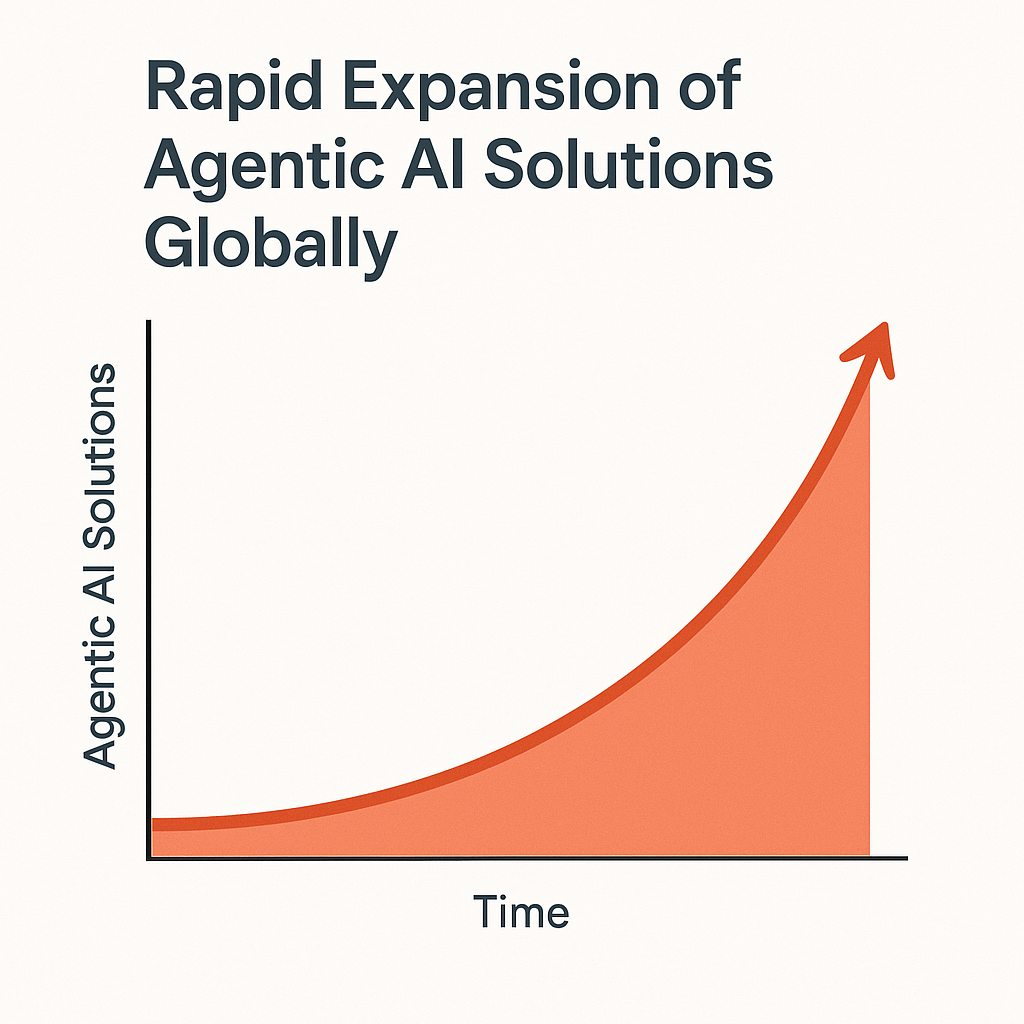
The market for agentic AI has grown at an unprecedented rate, driven by technological breakthroughs and the increasing demand for adaptive, user-centric solutions. According to recent industry reports, the global AI market is projected to surpass $500 billion by 2024, with agentic systems representing a rapidly expanding share of this growth [1]. This surge is fueled by the competitive imperative for businesses to differentiate their offerings through smarter, more autonomous digital experiences. Companies that fail to adopt agentic AI risk falling behind as users come to expect seamless, proactive assistance in all aspects of their digital lives.
Key trends include the rise of multi-modal AI agents capable of managing tasks across text, voice, and visual interfaces, and the proliferation of plug-and-play agentic modules for business processes. Regulatory advances are also shaping the landscape, with policymakers emphasizing transparency, data protection, and ethical alignment in the deployment of autonomous systems. These regulations aim to foster trust and ensure agentic AI operates in ways that respect user autonomy and societal values.
Tech enthusiasts and early adopters have a unique opportunity to ride the viral wave of agentic AI adoption. By understanding the core principles and emerging use cases, individuals and organizations can position themselves at the forefront of this transformation—whether by integrating agentic solutions into their workflows or building new applications that leverage autonomous decision-making. However, it is important to note that the market’s pace and direction may fluctuate as new challenges and innovations arise, necessitating a flexible, well-informed approach.
The viral potential of agentic AI is underpinned by its ability to deliver tangible value at scale, but sustainable success will depend on ethical stewardship, continuous learning, and broad accessibility. As adoption accelerates, the tech community must remain vigilant in addressing risks and ensuring agentic AI serves the diverse needs of all users.
Caption: Market trend graph illustrating the rapid expansion of agentic AI solutions globally.
Ethical Considerations and Responsible Deployment
The rapid integration of agentic AI into everyday technology brings significant ethical considerations that demand proactive attention. As these systems become more autonomous and capable, ensuring they operate transparently and in alignment with human values is critical. Issues such as bias, privacy, accountability, and user consent are at the forefront of public and regulatory discourse. For example, if an agentic AI manages sensitive health or financial data, strict safeguards must be in place to protect user privacy and prevent unauthorized use of information.
Transparency is essential for building trust in agentic AI. Users should be informed about how these systems make decisions, what data they access, and their underlying objectives. Explainable AI techniques are being developed to clarify the reasoning processes of autonomous agents, allowing users and stakeholders to audit and understand outcomes. However, achieving complete transparency remains challenging, especially for complex systems leveraging deep learning models. Ongoing research and policy development may address these challenges by establishing clear standards for accountability and oversight.
Inclusive design principles are vital to ensure that agentic AI benefits all segments of society, avoiding the risk of reinforcing existing inequities or inadvertently excluding vulnerable populations. This includes careful attention to language, accessibility, and adaptability across diverse user needs. As agentic AI adoption grows, collaboration between technologists, ethicists, and affected communities will be essential to identify risks and co-create solutions that maximize societal benefit while minimizing harm.
Ultimately, responsible deployment of agentic AI requires balancing innovation with stewardship. By fostering ethical best practices and engaging with evolving guidelines, both developers and users can help shape a future where autonomous technology is safe, fair, and empowering for everyone.
Caption: Framework illustrating key ethical pillars for deploying agentic AI in daily technology.
The Future of Agentic AI: Predictions, Challenges, and Opportunities
Looking ahead, agentic AI is poised to become an even more integral part of daily life, potentially enabling new forms of collaboration between humans and intelligent systems. Advances in contextual understanding, reasoning, and human-like interaction could allow future agentic AI to act as truly personalized digital companions—anticipating needs, learning preferences, and coordinating activities across both digital and physical environments. However, realizing this vision will require addressing substantial challenges, including technical limitations, regulatory hurdles, and societal acceptance.
Predictions about the future of agentic AI must be approached with appropriate caution. While current trends suggest increasing adoption and sophistication, unforeseen breakthroughs or setbacks could reshape the trajectory. For example, emerging concerns about AI safety, robustness, and alignment with human values may necessitate new research directions or policy interventions. There is also the potential for agentic AI to amplify positive outcomes—such as improved accessibility and productivity—or, conversely, to introduce new risks related to automation and control.
Opportunities abound for innovators, policymakers, and end-users to shape the development of agentic AI responsibly. Collaborative efforts that prioritize transparency, inclusivity, and ongoing evaluation will be key to ensuring technology serves the public good. By staying informed and engaged with these evolving trends, individuals and organizations can harness the benefits of agentic AI while contributing to its responsible advancement. The coming years may see agentic AI not just as a background technology, but as a transformative force that redefines our relationship with the digital world.
It is crucial for all stakeholders to approach the future of agentic AI with both optimism and vigilance, embracing innovation while remaining mindful of potential risks and uncertainties.
Caption: Vision for agentic AI fostering inclusive, adaptive, and personalized tech experiences in the future.
How to Get Involved: Building Literacy and Shaping Agentic AI’s Trajectory
For individuals and organizations eager to participate in the agentic AI revolution, building foundational literacy is an essential first step. Understanding the principles of autonomous systems, how they are designed, and their implications can empower users to make informed choices about the technology they adopt or develop. Numerous online courses, workshops, and open-source projects offer accessible entry points for learners of all backgrounds, fostering a more inclusive and knowledgeable tech community.
Active engagement with agentic AI includes not only using products powered by these systems but also contributing feedback, advocating for ethical standards, and participating in public discourse about their impact. Developers and entrepreneurs can explore integrating agentic AI into new or existing solutions, guided by best practices in transparency, fairness, and user empowerment. Collaboration between industry, academia, and civil society can further ensure that the trajectory of agentic AI aligns with collective values and aspirations.
As agentic AI continues to evolve, staying informed about regulatory updates, emerging risks, and technological advancements will be crucial. Individuals can subscribe to industry newsletters, join relevant forums, or participate in citizen science initiatives focused on AI safety and governance. By collectively shaping the norms and expectations surrounding agentic AI, all stakeholders can help ensure that the technology develops in ways that are ethical, effective, and beneficial for everyone.
The journey to a future where agentic AI empowers daily life is a shared one—your engagement and insights will be vital in guiding its responsible growth and ensuring its positive impact.
Caption: Community learning initiatives supporting agentic AI literacy and ethical involvement.
