
The Rise of Digital Gamification in Family Routines
Digital gamification has steadily transitioned from being a fleeting novelty to an embedded feature of modern family life. Historically, family interactions with technology were limited to board games and occasional console sessions, but the proliferation of mobile devices and interactive platforms has fundamentally changed the landscape. Today, families find themselves surrounded by digital tools that transform mundane routines—such as chores, exercise, or mealtime—into engaging, game-like experiences. This shift is supported by the increasing availability of apps and platforms designed specifically for multi-age participation, with user-friendly interfaces that encourage both young children and adults to engage collaboratively. Research indicates that over 65% of families with children under 18 now incorporate some form of digital game or gamified app into their weekly routines, signaling a widespread cultural shift [1].
Current trends in gamification reflect a broader move toward integrating play into learning and daily responsibilities. Popular applications like habit-tracking games or collaborative household tasks apps employ point systems, badges, and friendly competition to foster positive habits and cooperation. Moreover, the advent of smart home devices and wearables has further blurred the lines between gameplay and real-world actions, enabling families to track physical activity, dietary habits, or academic achievements in real-time, often rewarded with virtual incentives. This technological convergence not only makes gamification more accessible but also more appealing across diverse age groups. Importantly, families are leveraging these tools not just for entertainment, but also as means to strengthen bonds and instill life skills, signaling that digital gamification is far more than a passing trend—it is a transformative force in family life.
Section summary
Digital gamification has evolved into a key component of family routines, offering interactive ways for all ages to participate and connect.

Opportunities and Challenges of Gamified Family Life
The adoption of digital gamification in family life brings a mix of promising benefits and noteworthy concerns. On the positive side, gamification offers a powerful tool to boost family engagement and motivation. Structured digital challenges—like step-count competitions or reading streaks—can encourage participation from even the most reluctant family members. These systems often use elements such as leaderboards, achievements, and collaborative missions, which not only foster healthy competition but also promote teamwork and shared goals [2]. The inclusive nature of many gamified platforms makes it easier for families of different backgrounds and abilities to take part, breaking down traditional barriers to involvement and sparking meaningful connections during daily routines.
Despite these advantages, challenges persist. Excessive reliance on digital gamification may potentially lead to screen fatigue or reduce intrinsic motivation for certain activities, as some family members could focus solely on rewards rather than the process itself. Additionally, concerns around data privacy, commercial exploitation, and the potential for unhealthy competition have been highlighted in recent studies [3]. Families are therefore tasked with striking a balance—using gamification thoughtfully to enhance, rather than detract from, real-world relationships and values. Experts recommend regular check-ins to ensure that digital games support, rather than undermine, healthy family dynamics. By remaining mindful of both opportunities and risks, families can harness the best aspects of gamification while avoiding its pitfalls.
Section summary
Gamified family life offers engagement and connection but requires thoughtful use to address potential drawbacks and preserve well-being.
Practical Gamification Strategies for Family Engagement
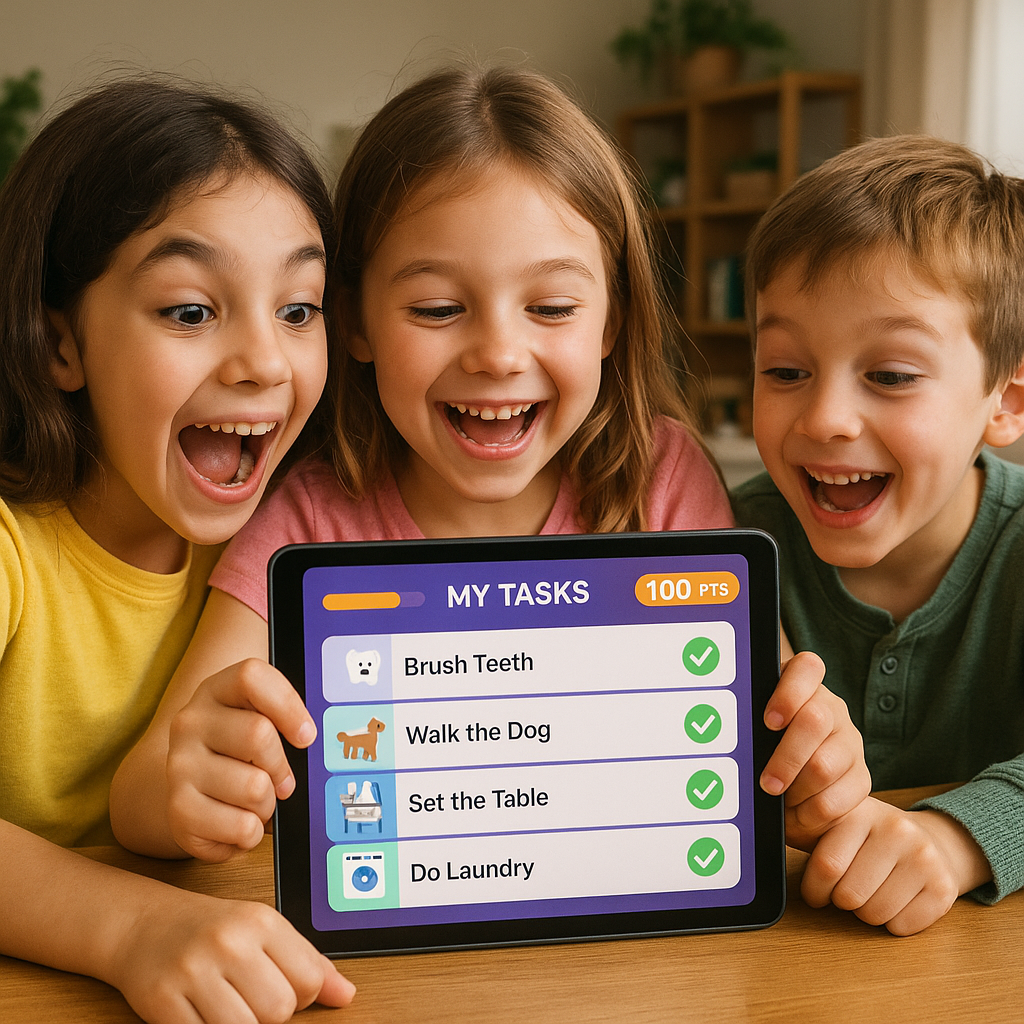
Implementing gamification in everyday family routines requires practical strategies that emphasize fun, inclusivity, and personal growth. One effective approach is to start with simple, accessible platforms that cater to all ages, such as digital chore charts or educational apps with customizable reward systems. For example, some families use household management apps where children earn points for completed tasks, which can be redeemed for privileges or collective rewards. These platforms often feature interactive progress boards and playful reminders, motivating everyone to contribute while cultivating responsibility and teamwork [4].
To maximize positive outcomes, families can tailor game mechanics to suit their unique dynamics. Rotating leadership roles, adjusting difficulty levels, and introducing cooperative challenges help ensure sustained interest and fairness. Integrating real-world activities—like cooking, gardening, or fitness—into digital games bridges the gap between the virtual and physical, promoting holistic development. In addition, scheduling regular “family game nights” with digital trivia or adventure quests fosters laughter, communication, and shared learning. It is advisable to establish ground rules around screen time and rewards, prioritizing intrinsic motivation and open dialogue to mitigate risks of overuse or dependency. By adopting intentional strategies, families can transform ordinary routines into vibrant, growth-oriented experiences.
Section summary
Adopting thoughtful gamification strategies helps families create inclusive, motivating, and developmentally positive experiences.
Digital Gamification and Family Learning
Gamification has emerged as a dynamic catalyst for family-based learning, turning educational tasks into engaging adventures. Many families use digital platforms to supplement schoolwork, employing apps that gamify subjects such as math, reading, or science. These apps utilize adaptive challenges, instant feedback, and narrative storytelling to captivate learners of various ages and skill levels. Studies show that gamified learning environments can enhance knowledge retention, boost problem-solving skills, and increase student motivation when used in moderation and with adult guidance [5]. Involving the whole family in educational games further reinforces learning, as parents and siblings model curiosity, persistence, and critical thinking in collaborative play.
Beyond traditional subjects, gamification extends to social-emotional learning and cultural exploration. Story-driven games can introduce families to diverse perspectives and foster empathy, while language apps promote communication skills in bilingual households. For optimal impact, families are encouraged to select platforms with evidence-based pedagogical design and clear privacy standards. Periodic reflection on digital learning experiences—such as family discussions about completed challenges—strengthens comprehension and fosters a supportive environment. By blending play and learning, digital gamification empowers families to turn curiosity into shared achievement and lifelong growth.
Section summary
Digital gamification turns learning into a family adventure, building skills and relationships through playful, evidence-based engagement.
Wellness and Healthy Habits Through Gamification
Digital gamification offers families creative ways to build healthy habits and foster well-being together. Many apps now gamify physical activity by tracking steps, encouraging movement breaks, or offering virtual challenges like “walk around the world” adventures. Families report increased motivation to exercise when progress is visualized through leaderboards, daily streaks, and collective milestone celebrations [6]. Nutrition apps gamify meal planning and encourage healthy choices by rewarding families for trying new recipes, tracking hydration, or reducing sugary snacks. These interactive features turn health-related routines into collaborative goals rather than solitary chores.
Experts emphasize the importance of moderation and balance, as excessive focus on gamified metrics can sometimes lead to anxiety or diminished enjoyment. Families are encouraged to view digital tools as companions to, rather than replacements for, real-world well-being. Scheduled tech-free periods and open conversations about feelings related to competition can help maintain a positive environment. By harnessing the motivational power of gamification, families may cultivate lifelong habits that support physical and mental health, while also enjoying memorable moments of achievement and support.
Section summary
Gamification empowers families to build healthy habits and wellness routines through fun, shared challenges and rewards.
Future Directions and Considerations in Digital Gamification
As digital gamification continues to evolve, families may encounter new opportunities and considerations in integrating technology into daily life. Emerging trends include the use of augmented reality (AR) and virtual reality (VR) to create immersive, interactive experiences that further blend the digital and physical worlds. For example, AR-based scavenger hunts can encourage outdoor exploration, while VR learning modules may introduce complex concepts in captivating ways. Experts suggest that these technologies could broaden access to inclusive, adaptive family experiences, provided that accessibility and safety remain central in design [7].
Looking ahead, families are encouraged to approach new gamified tools with discernment—evaluating content, privacy policies, and alignment with family values. Community-based platforms, where families collaborate with neighbors or friends in gamified activities, could further expand the social benefits of gamification. However, it is important to remain mindful of potential downsides, such as data security risks and the digital divide, which may affect equitable participation. By staying informed and adopting a balanced, intentional approach, families can continue to shape positive, future-ready routines that enhance well-being, connection, and lifelong learning.
Section summary
The future of digital gamification in family life holds exciting potential, but mindful adoption and inclusion will be key to positive outcomes.
Getting Started: Practical Tips for Families
For families interested in incorporating digital gamification into their routines, a thoughtful, gradual approach can make the transition both fun and sustainable. Begin by selecting a single activity—such as household chores or evening reading time—and explore a gamified app that aligns with your family’s interests and values. Involve all family members in the selection process to foster ownership and enthusiasm. Set clear, collective goals and celebrate small achievements together, using both digital rewards and meaningful, real-life acknowledgements. Establish boundaries around screen time and content, and encourage regular open conversations about experiences with gamified activities.
To deepen the impact, consider integrating offline elements such as themed challenges, creative storytelling, or collaborative art projects alongside digital games. Seek out reputable resources for reviews and recommendations, and remain flexible—adjusting or rotating games as family interests evolve. Above all, focus on the shared journey and the positive connections built along the way. By intentionally embracing digital gamification, families can transform ordinary moments into opportunities for connection, growth, and fun.
Section summary
With a mindful, inclusive approach, families can start enjoying the benefits of digital gamification while maintaining balance and connection.
