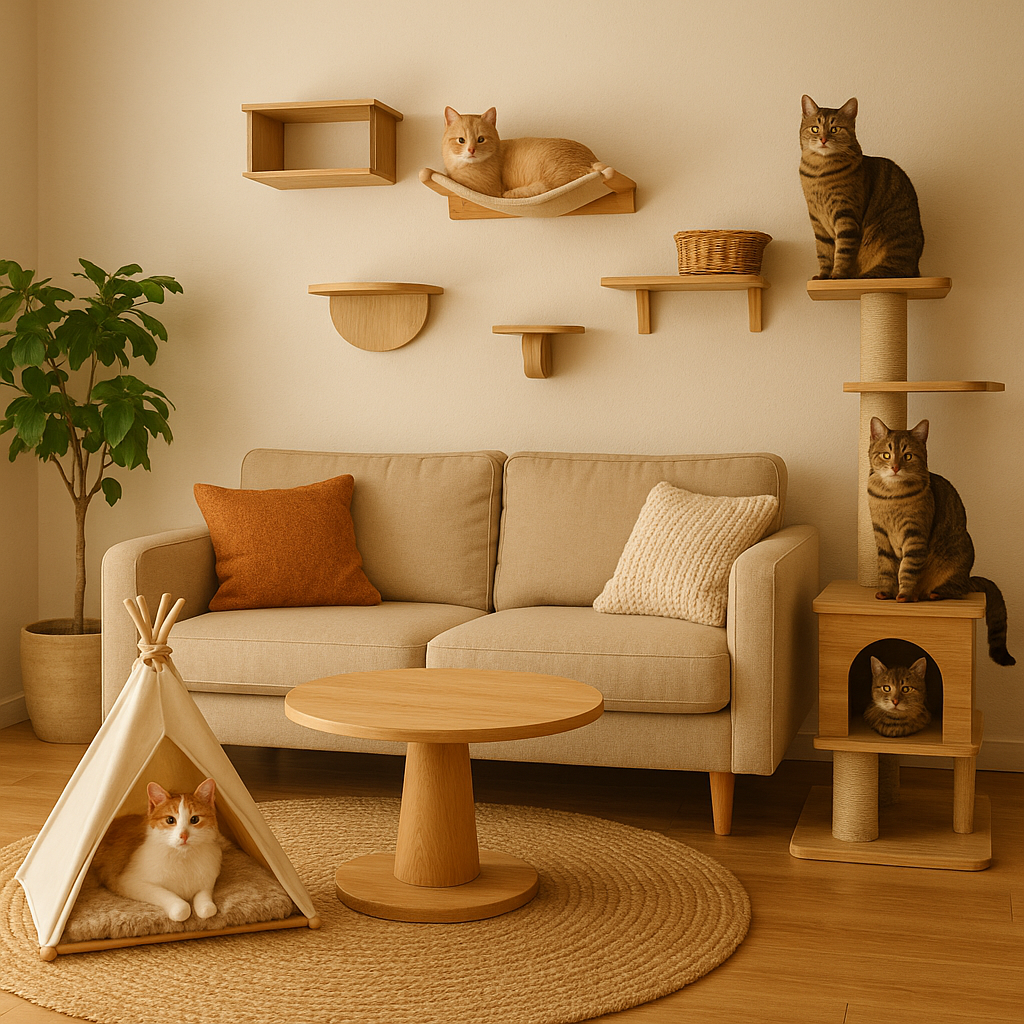
Sharing Your Space: The Joy of Living With a Cat
Welcoming a cat into your home is much more than caring for a pet; it’s about sharing your daily life with a curious, affectionate companion. Cats quickly become a central part of the household, and their unique personalities influence how we design our living spaces. The mutual bond between humans and cats has inspired countless homemakers to adapt their environments, aiming for a harmonious coexistence. By taking a hands-on approach, individuals can provide enriching, safe spaces tailored to both feline and family needs, ensuring both comfort and fun for everyone involved.
Understanding the needs and behaviors of cats is essential when planning to share a home. Cats thrive in environments that support their instincts—climbing, scratching, exploring, and relaxing in cozy nooks. Integrating these features thoughtfully not only benefits your cat’s well-being but can also enhance your living space’s aesthetic. Engaging in DIY projects is one meaningful way to meet these needs while adding personal touches and a sense of accomplishment to your home.
Many homemakers find that creating customized spaces or toys for their cats leads to a stronger bond and a happier pet. Whether you’re a seasoned DIY enthusiast or new to crafting, the satisfaction of seeing your cat explore and enjoy something you’ve made is truly rewarding. This journey is about more than just aesthetics or saving money—it’s an opportunity to express love and creativity, and to transform your home into a place that everyone, feline and human alike, can enjoy together.
Why DIY for Your Cat? Safety, Savings, and Style
Creating DIY projects for your cat offers tangible benefits that go beyond what store-bought options can provide. One of the primary advantages is safety: when you build something yourself, you control the materials and design, ensuring your cat’s well-being. Many commercial cat toys and furniture contain small parts or chemicals that could be hazardous if ingested. DIY alternatives allow you to use non-toxic, eco-friendly materials, reducing potential risks to your pet [1].
Financial savings are another significant draw. Cat trees, litter box enclosures, and specialized furniture can be costly when purchased new, often ranging from $50 to over $300 depending on size and brand. In contrast, homemade versions typically require only basic materials—such as wood, rope, and fabric—that can be sourced affordably or even repurposed from around your home. This makes DIY a budget-friendly choice, especially for households with multiple cats or those seeking to frequently refresh their pets’ environments.
Style and design flexibility further distinguish DIY projects. You can customize colors, fabrics, and structures to seamlessly integrate cat furniture into your existing décor, avoiding the mismatched or bulky appearance of commercial products. This tailored approach means every piece can be as understated or as playful as you wish, turning practical pet needs into stylish home features. With some imagination, even utilitarian items like scratching posts or litter box covers can become attractive design elements.
Most-Loved DIY Projects Cats (and Homemakers) Approve
Custom Litter Box Enclosures
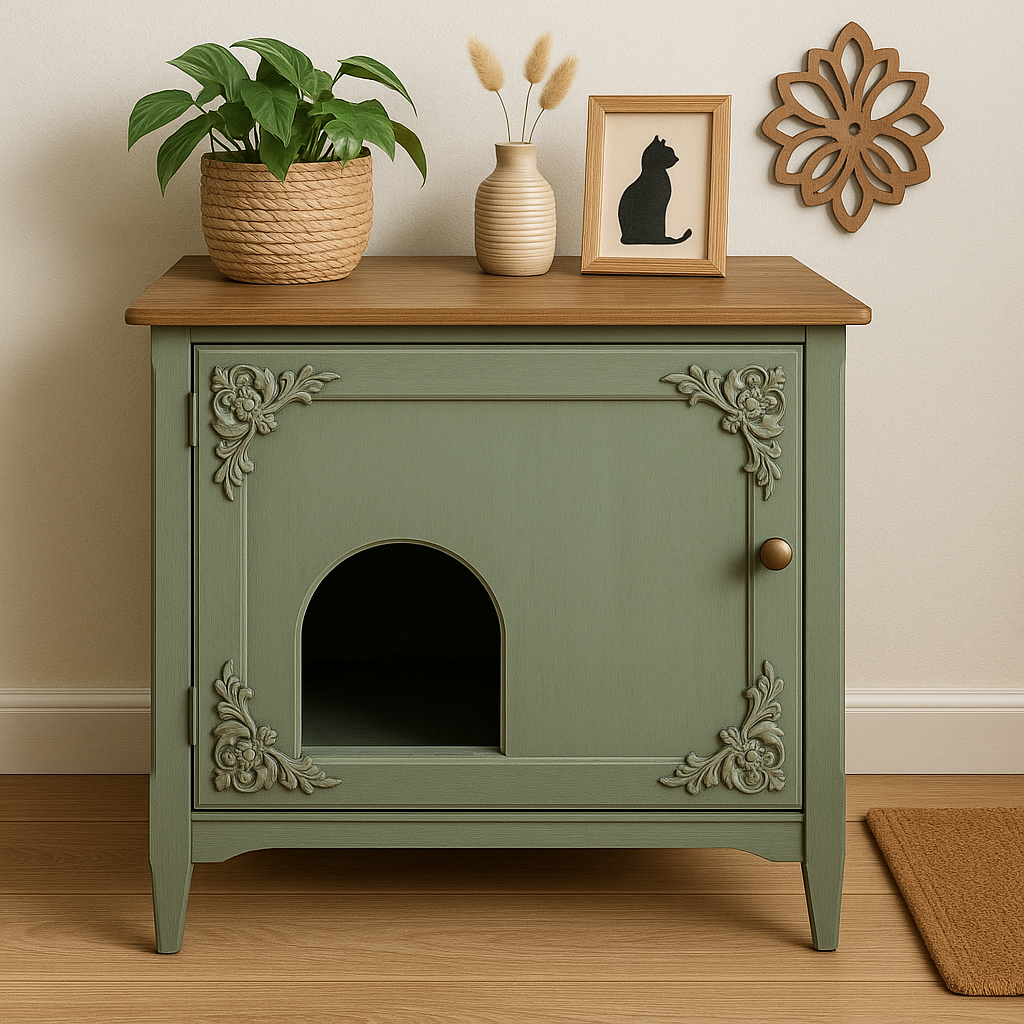
Litter box enclosures rank among the most popular DIY cat projects for good reason: they combine discretion with utility. By upcycling an old cabinet, bench, or even an Ikea hack, you can create a hidden litter area that minimizes odor and visually blends into your home. Cut a cat-sized opening, line the interior with waterproof material, and add ventilation holes for airflow. Many homemakers find that these enclosures not only improve cleanliness but also give cats a sense of privacy, reducing stress during use.
Wall-Mounted Cat Shelves
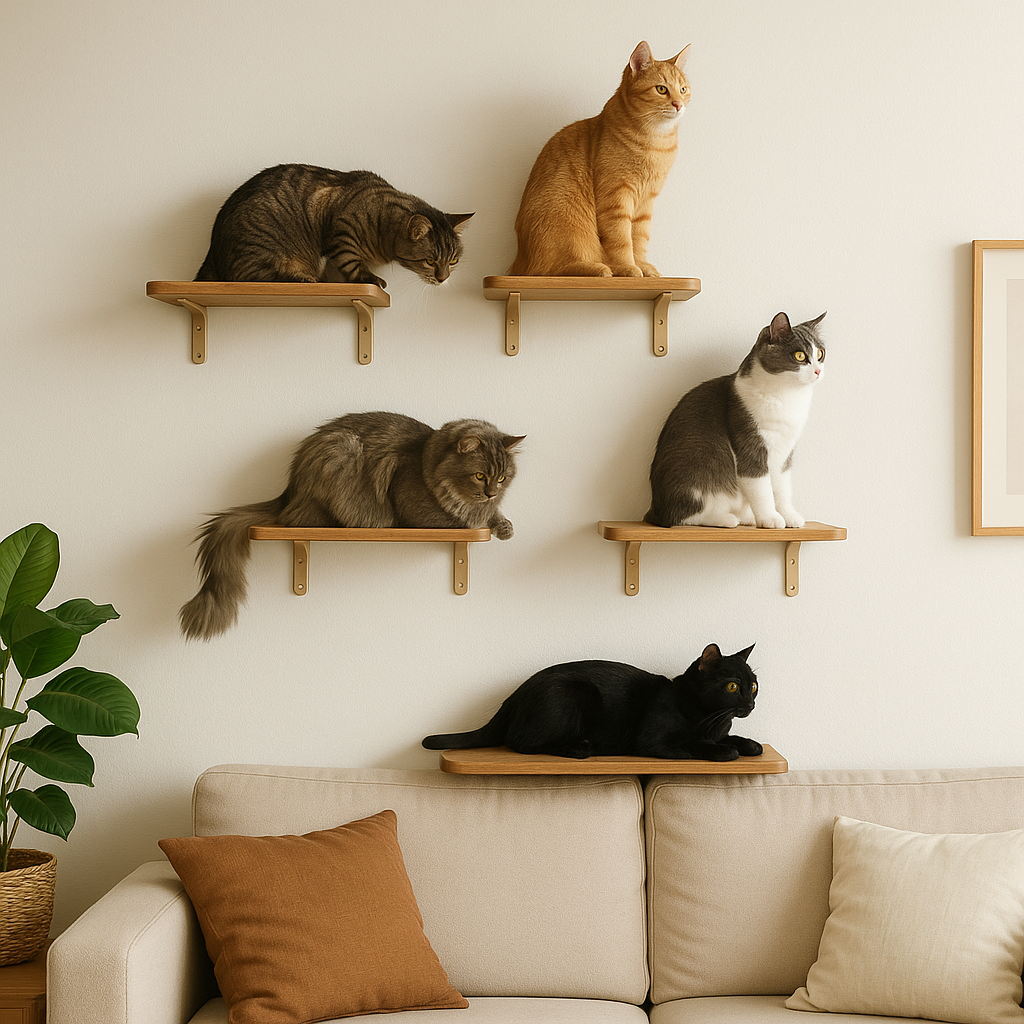
Wall shelves offer vertical territory for cats, satisfying their love for climbing and perching. By using sturdy brackets and wide planks covered in carpet or sisal, you can design safe, attractive pathways that encourage exercise and mental stimulation. Staggering shelves at varying heights helps mimic a cat’s natural environment, offering multiple vantage points and resting spots. Many online communities showcase creative layouts, inspiring countless variations to fit any room size or style.
Cat Tents and Cozy Hideaways
DIY cat tents are both simple to make and endlessly customizable. Using a wire hanger, an old t-shirt, and a cardboard base, you can fashion a soft, inviting retreat that cats adore. These tents provide a sense of security, especially in busy households, and can be placed anywhere your cat prefers to nap. Personal touches, such as embroidered names or colorful fabrics, make these hideaways special and uniquely suited to your cat’s personality.
Interactive Toys and Enrichment Games
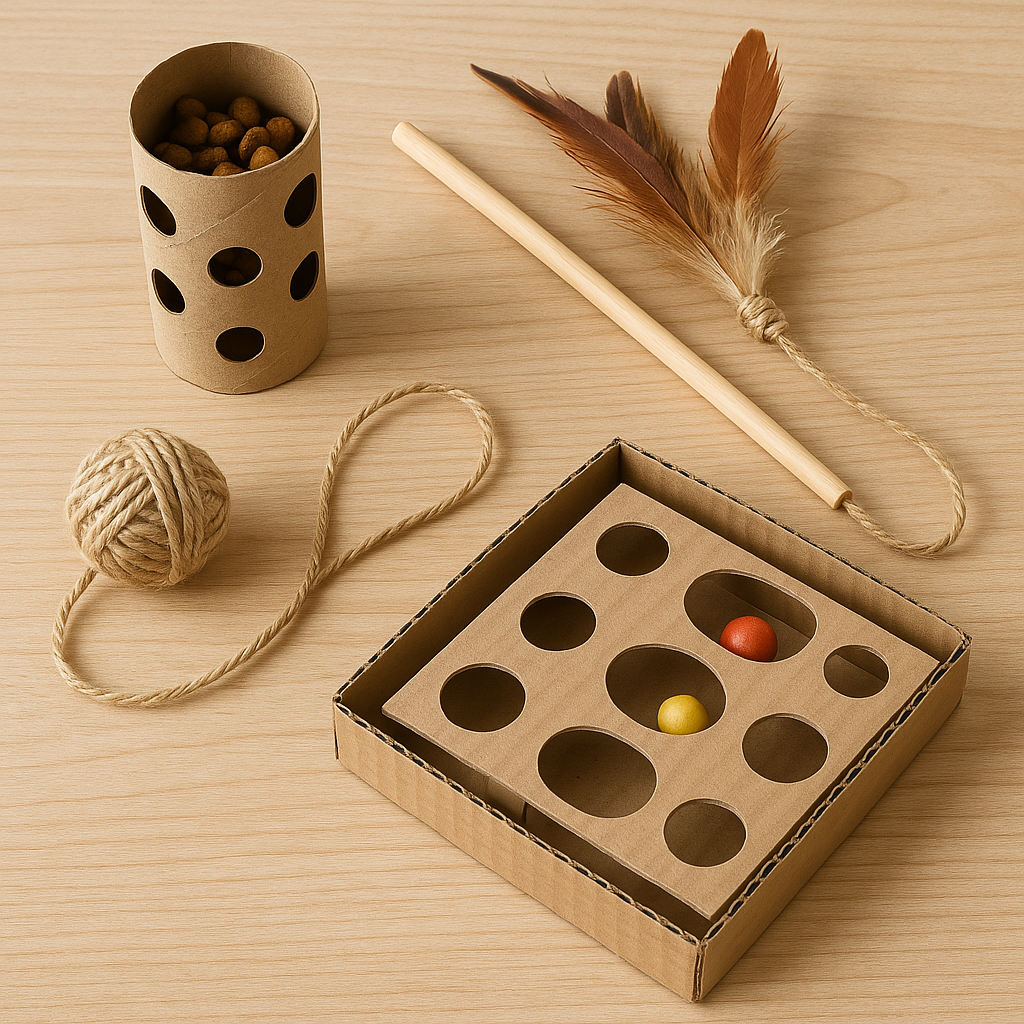
Homemade toys like puzzle feeders, feather wands, and cardboard mazes stimulate cats’ minds and bodies. For example, a treat-dispensing puzzle made from a muffin tin and tennis balls encourages problem-solving and slows down fast eaters. Feather toys crafted from dowels and natural materials tap into hunting instincts, while cardboard box mazes turn recycling into hours of entertainment. These projects are not only budget-friendly but also allow for quick modifications based on your cat’s evolving preferences.
Safety First: Materials, Assembly, and Cat Health
When undertaking DIY cat projects, safety should always be the top priority. Carefully select materials that are non-toxic and free from sharp edges or small parts that could break off and become choking hazards. Opt for solid woods, untreated natural fibers like sisal or cotton, and paints or stains labeled as pet-safe. Avoid items like staples, loose string, or adhesives unless you are certain they are secure and non-toxic [1].
Proper assembly is equally critical. Secure all joints, screws, and brackets to prevent wobbling or collapse, particularly for elevated structures like wall shelves or trees. Test stability by gently shaking or pressing on each finished project before introducing your cat. For soft furnishings, ensure stuffing is fully enclosed and seams are reinforced to withstand kneading and scratching.
Be mindful of your cat’s individual needs and limitations. Kittens, seniors, or cats with mobility challenges may require ramps or gentler slopes instead of high perches. Regularly inspect all DIY creations for wear and tear, repairing or replacing them as needed. Consult with your veterinarian if you have questions about material safety or environmental enrichment for your particular cat, as needs may vary between breeds and personalities.
Quick Start: Tips, Sharing, and Going Viral
Embarking on your first DIY cat project can be both exciting and a bit daunting. Begin with straightforward designs, like a cardboard scratcher or a no-sew blanket, before advancing to more complex builds. Gather your materials in advance, following measured plans to ensure safety and success. Don’t hesitate to seek advice or inspiration from established online communities, where many homemakers share blueprints, tutorials, and troubleshooting tips.
Sharing your finished projects can be rewarding in itself, offering validation and new friendships with fellow cat lovers. Photograph your creations in good lighting, highlight your cat’s enjoyment, and post to social platforms using trending hashtags such as #CatDIY or #FelineFurniture. Many viral DIY posts owe their popularity to creative presentation and honest storytelling, not perfection. Emphasize process and learning, encouraging others to join the movement and share their own unique ideas.
Remember that DIY is as much about the journey as the result. Even if a project doesn’t turn out exactly as planned, your cat will likely appreciate the effort and novelty. With each attempt, you’ll refine your skills and discover new ways to delight your pet. If a particular design gains traction online, consider documenting the process in greater detail to help others replicate your success. Ultimately, every shared project strengthens the growing DIY cat community, enriching lives one creation at a time.
Design Integration: Matching DIY With Your Home Aesthetic
Integrating cat furniture into your home’s overall aesthetic is a key benefit of DIY projects. Unlike commercial products, which often come in limited colors or bulky shapes, homemade cat items can be tailored to match your personal style. For example, you might stain wooden shelves to coordinate with existing bookcases or upholster a scratching post with fabric that complements your sofa.
Minimalist, bohemian, and modern farmhouse styles all lend themselves to creative, cat-friendly solutions. Many homemakers blend pet furniture into multifunctional pieces—such as a bench with a hidden litter box or an end table that doubles as a cat condo. These designs not only save space but also maintain the visual flow of your living area, avoiding clutter and preserving your preferred décor.
Personal touches like monogrammed pillows or custom-painted motifs add both character and a sense of ownership to your projects. You may also choose to incorporate natural elements such as bamboo, driftwood, or live plants (ensuring plant safety for cats) for a biophilic, calming effect. Ultimately, matching DIY creations to your home aesthetic enhances the experience for both cats and humans, making every room more inviting.
Motivating Others: Join the DIY Cat Community
One of the most rewarding aspects of DIY cat projects is connecting with others who share your passion. Online forums, local workshops, and social media groups provide invaluable support, feedback, and friendship. Participating in these communities can inspire new ideas, boost your confidence, and even help set trends that benefit cats everywhere.
Many homemakers find joy in mentoring others, sharing detailed plans, and celebrating both successes and learning experiences. As the DIY cat movement grows, so does the opportunity for creative collaboration—whether it’s organizing group builds, participating in charitable projects for local shelters, or simply swapping tips and encouragement. By fostering an open, supportive atmosphere, the community helps ensure that everyone, regardless of skill level, can contribute and benefit.
Encourage friends, family, and fellow pet owners to try their hand at a simple DIY project. Offer to share your own templates or host a craft night. By modeling inclusivity and a willingness to learn, you help build a culture of creativity, care, and fun that uplifts both people and pets. Remember, every homemade project—no matter how small—contributes to a happier, healthier life for your cat and for those who love them.
