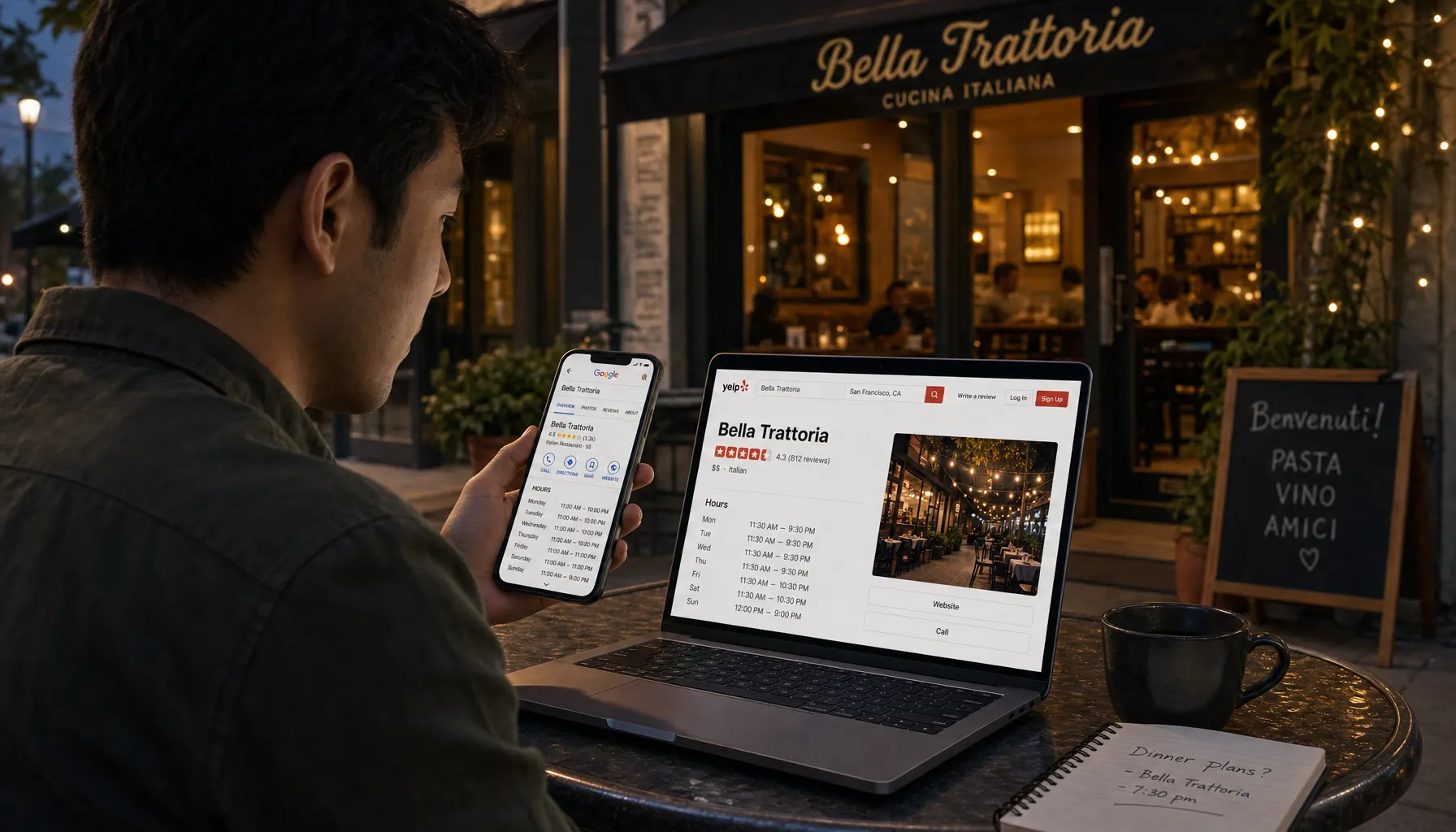
Why Restaurant Hours Differ Across Platforms
It is increasingly common for diners to encounter conflicting restaurant hours across popular platforms. These discrepancies can arise from how business data is managed and updated. Many sites, including search engines, review aggregators, and navigation apps, rely on a combination of direct business input and automated web scraping to update operating hours. If a business owner forgets to refresh their details, or if a third-party site pulls outdated information, discrepancies can quickly emerge. Seasonal schedules, special events, and sudden closures further complicate matters, leaving customers confused and potentially disappointed upon arrival.
Another reason for inconsistency is the varying update cycles across platforms. Some services refresh business hours frequently, while others may lag behind by weeks or months. Additionally, platforms like Google Business Profile, Yelp, and Apple Business Connect each utilize unique methods to verify data authenticity. The absence of a standardized, real-time update protocol means consumers must often navigate conflicting information before making plans. Recognizing these sources of variation is the first step in creating a reliable pre-meal verification routine that minimizes disappointment and maximizes dining success.
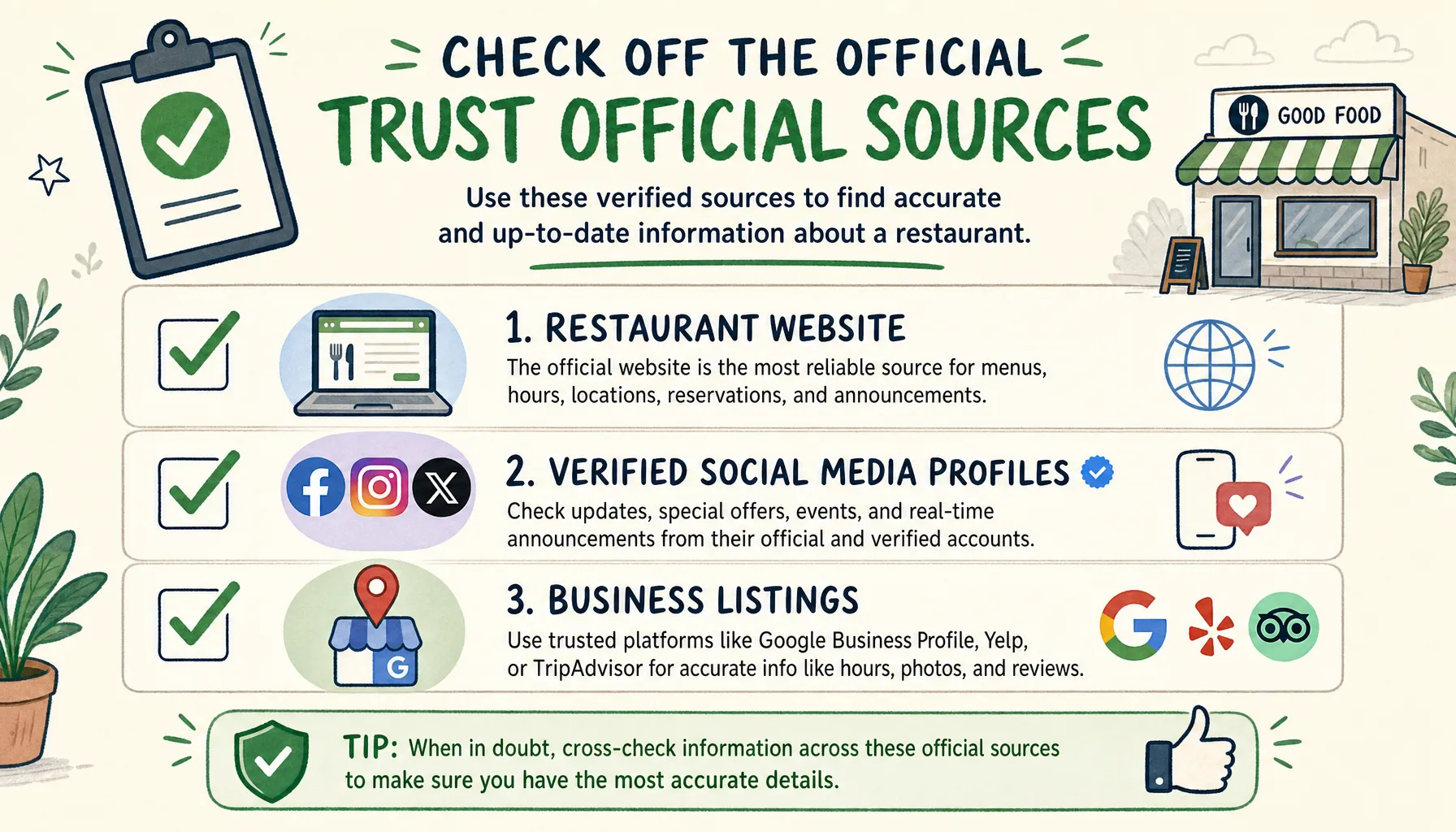
Building Your Pre-Meal Checklist: Start with Official Sources
The most reliable way to confirm restaurant hours is to consult official sources. These may include the restaurant's own website, their verified social media profiles, or official business listings on platforms like Google Business Profile and Apple Business Connect. Such listings are often managed directly by the restaurant, increasing the likelihood of obtaining up-to-date and accurate information. Before venturing out, make it a habit to check the restaurant’s official web page or social channels for any special notices regarding changes in hours, holiday closures, or private events.
While third-party platforms like Yelp and TripAdvisor offer valuable customer insights, their operating hours may not always reflect real-time changes. Prioritize information from sources managed or confirmed by the business itself. Taking these steps not only saves time but can also spare you the frustration of arriving at a closed venue. If conflicting hours are listed, consider official business pages your primary reference, with third-party listings serving as supplementary data points.
Resolving Discrepancies: Why Calling Ahead Still Matters
Even in the digital age, a quick phone call can definitively resolve discrepancies between multiple platforms. If online sources provide conflicting hours or if last-minute changes are possible, reaching out directly to the restaurant is the surest way to confirm. Staff members can provide real-time updates about special closures, unexpected events, or sudden schedule changes that may not be reflected online. This step is particularly important for travelers or groups planning around tight itineraries.
Phone verification also allows you to clarify additional details, such as reservation requirements or altered menus due to special occasions. For individuals with accessibility needs or dietary preferences, speaking with staff can offer reassurance and an opportunity to make special arrangements. While not every venue may answer immediately, persistence with a brief call can prevent wasted journeys and ensure a pleasant dining experience for everyone involved.
Extra Tips for Confident Dining: Final Checks and Best Practices
Before heading out, there are several proactive steps you can take to further minimize the risk of arriving at a closed restaurant. First, consider checking the restaurant’s most recent social media posts, as these platforms often provide real-time updates about sudden closures or hour changes. If possible, opt for restaurants that maintain a strong digital presence and regularly update their information. Additionally, user reviews on platforms like Yelp or TripAdvisor may occasionally mention recent visits and provide anecdotal confirmation of current hours, but always treat these as supplementary rather than primary evidence.
Incorporating flexibility into your schedule is another effective practice—identify a backup dining option nearby, especially during holidays or in areas with seasonal fluctuations. For those traveling in groups or with accessibility needs, confirming details such as parking or entrance access is prudent. Remember that even the most thorough research may not account for emergencies or unforeseen circumstances, so approaching your dining plans with flexibility and good humor can turn potential setbacks into memorable adventures. By integrating these best practices into your pre-meal routine, you empower yourself and your group for a more confident and enjoyable dining experience.
