When the Impossible Walks into the ER
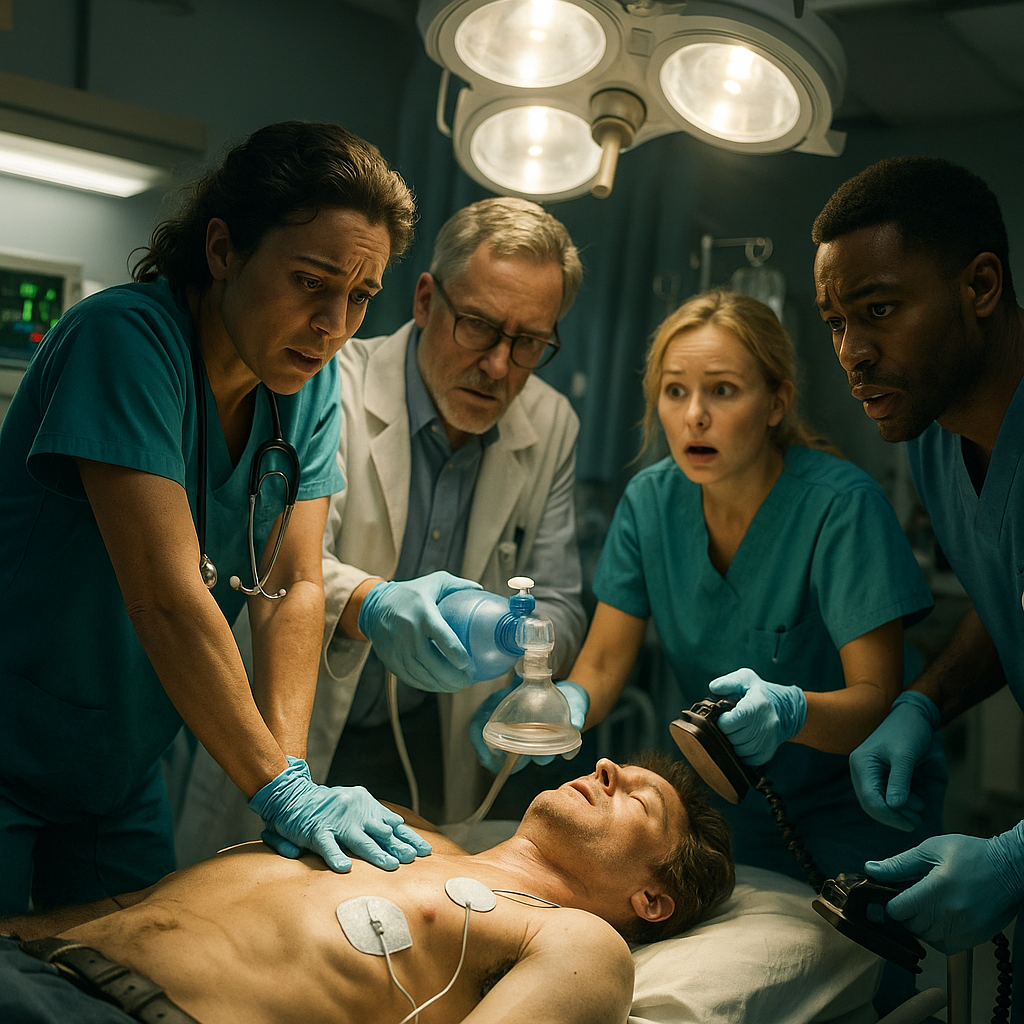
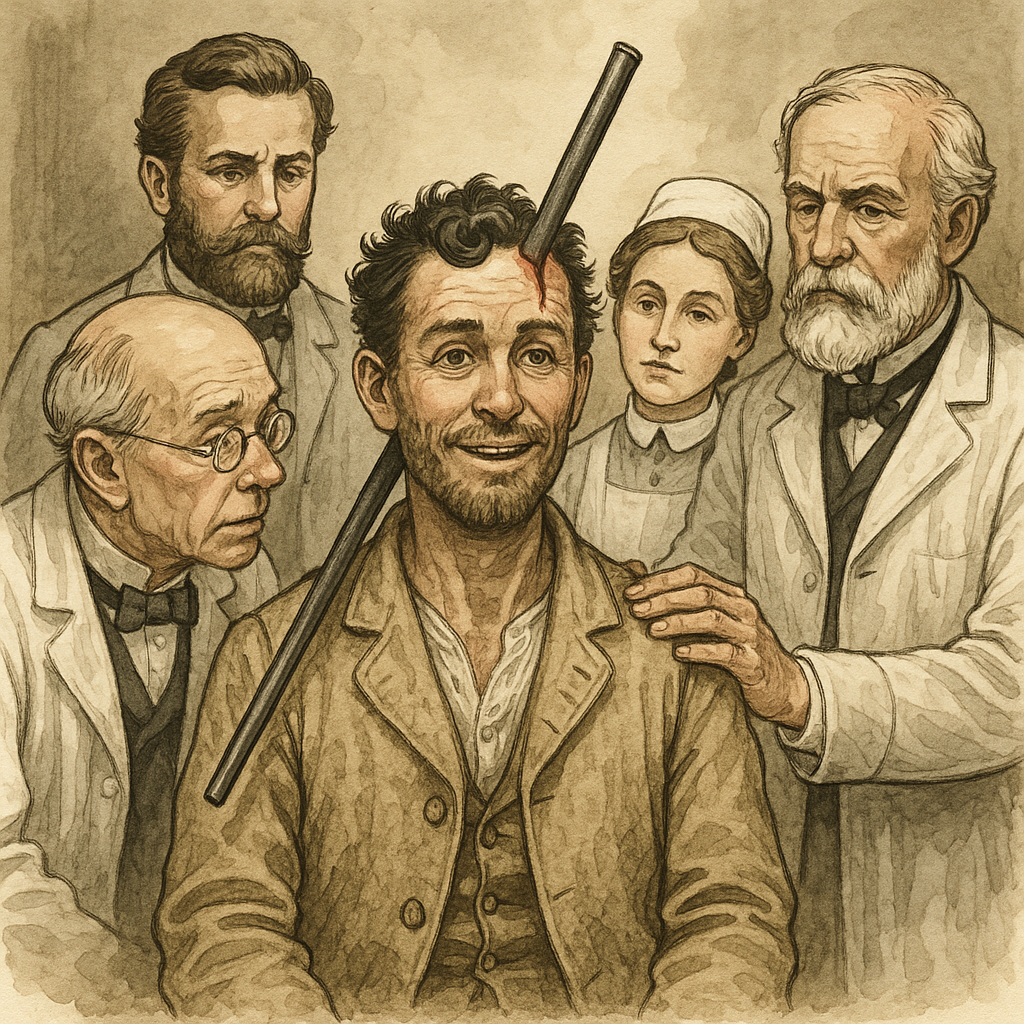
Medical professionals regularly encounter cases that test the very limits of their training and the boundaries of human understanding. Among these, some stories stand out for their sheer improbability. Take the widely reported case of a man in Australia who survived being impaled through the skull with a metal rod after a construction accident. Despite the overwhelming odds, the coordinated efforts of trauma surgeons, advanced imaging technology, and rapid decision-making resulted in a full recovery with minimal long-term effects for the patient. Such stories remind us that medicine is as much about responding to the unexpected as it is about treating the routine [1].
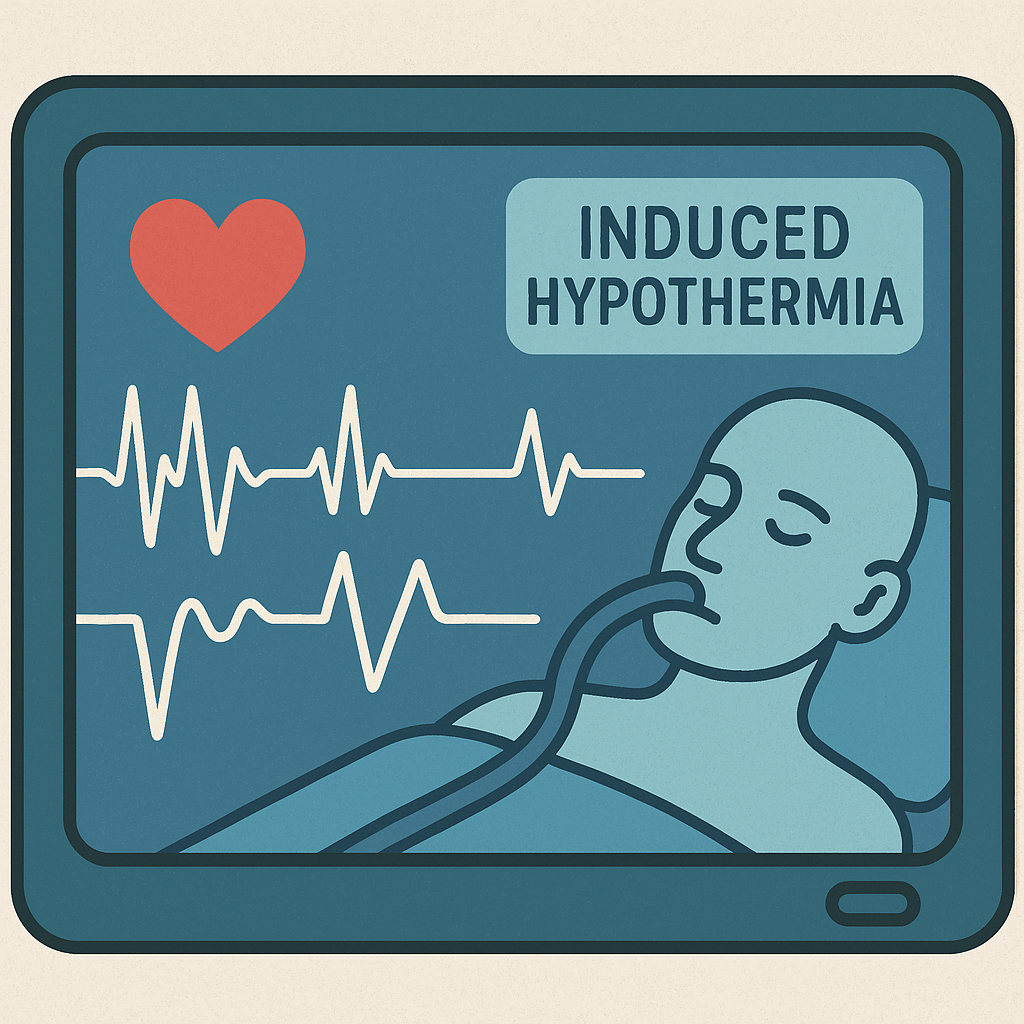
These extraordinary cases are not confined to one region or specialty. In the United States, an ER team once treated a woman who, after suffering a severe heart attack, was declared clinically dead for over 40 minutes. Thanks to the use of induced hypothermia and ongoing resuscitation efforts, she made a remarkable comeback with intact neurological function—a feat that challenges our understanding of human physiology and recovery [2].
However, not every rare case ends with a miracle. Some patients present with baffling symptoms that defy diagnosis, even after exhaustive testing. In these instances, teams often consult global databases and collaborate with international colleagues, highlighting the global community inherent in modern healthcare. These enigmatic cases underscore both the power and limitations of medical science, leaving us in awe of what is possible and humbled by what remains mysterious.
Summary:
ER teams worldwide have encountered extraordinary patient recoveries and medical enigmas, highlighting both the hope and limitations of modern medicine.
Science, Serendipity, and High-Stakes Errors
Behind every miraculous recovery or medical mystery lies a complex interplay of science, serendipity, and, at times, human error. Diagnostic technologies, such as MRI and CT scans, have revolutionized the way clinicians detect and manage complex conditions. For example, one study found that diagnostic imaging contributed to a 30% increase in early detection rates of certain neurological disorders, directly impacting patient outcomes [3].
Yet, no system is foolproof. The high-pressure environment of emergency medicine sometimes leads to misdiagnoses or near-misses with potentially dire consequences. One documented case involved a patient presenting with chest pain who was initially misdiagnosed with acid reflux, only to suffer a cardiac arrest hours later. Fortunately, prompt intervention by a vigilant nurse resulted in life-saving treatment. This case underscores the importance of teamwork, continuous learning, and humility in medical practice [4].
While technology enables rapid assessment, the human element remains crucial. Peer consultation and multidisciplinary rounds often provide the missing piece in difficult diagnoses. These collaborative efforts can turn potential mishaps into success stories, but they also reveal the razor-thin margin between medical miracles and errors. Reflecting on these instances, healthcare professionals emphasize ongoing education and the adoption of protocols that prioritize patient safety above all else.
Summary:
Modern diagnostics and teamwork play pivotal roles in both preventing and responding to high-stakes medical errors, highlighting the delicate balance of science and serendipity.
The Edge of Innovation: What Strange Cases Reveal
Unusual patient stories frequently serve as catalysts for innovation in medicine. Rare diseases and mysterious symptoms challenge clinicians to think beyond established norms, often leading to breakthroughs that benefit broader patient populations. The development of precision medicine, for instance, was in part propelled by the study of outlier cases that did not fit conventional diagnostic frameworks [5].
These cases also reinforce the importance of clinical trials and rigorous scientific investigation. When a new, unexplained phenomenon arises—such as a patient exhibiting resistance to standard cancer therapies—clinicians may collaborate with researchers to develop novel treatment approaches. This process, while uncertain, has the potential to transform care for others facing similar challenges. Still, the path from anomaly to innovation is fraught with obstacles and requires cautious optimism.
Perhaps most importantly, unusual medical stories remind us of the need for humility. Even the most seasoned experts encounter limits to their knowledge, and patient outcomes can hinge on a willingness to question assumptions. As we marvel at these medical oddities, we are reminded to approach health and wellness with an open mind, always ready to learn from the unknown.
Summary:
Strange medical cases drive advancements and reinforce the importance of innovation, humility, and evidence-based approaches in healthcare.
The Razor-Thin Boundary: Triumphs and Tragedies
The space between medical triumph and tragedy can be remarkably narrow, a reality highlighted by the stories that emerge from hospitals worldwide. For every extraordinary recovery, there are cases where slight deviations in diagnosis or treatment lead to preventable harm. According to a 2019 study, medical errors are estimated to be the third leading cause of death in the United States, accounting for more than 250,000 fatalities annually [6]. This sobering statistic serves as a powerful reminder of the stakes involved in every clinical decision.
Nevertheless, these events often catalyze important changes in policy and practice. Following high-profile mishaps, institutions may implement new checklists, safety protocols, or staff training initiatives to minimize future risk. The aviation-inspired surgical safety checklist, for example, has been shown to reduce postoperative complications by up to 36% in certain settings [7]. Such initiatives demonstrate the healthcare field’s commitment to learning from its mistakes and continuously improving patient safety.
By recognizing and openly discussing both successes and failures, the medical community fosters a culture of transparency and resilience. This openness encourages patients and providers alike to remain vigilant, ask questions, and participate actively in their care. In doing so, the boundary between miracle and mishap becomes a zone of learning rather than one of fear.
Summary:
The close proximity of medical success and failure emphasizes the need for transparency and continuous improvement in healthcare.
The Human Element: Compassion, Advocacy, and Patient Voice
While technology and expertise are critical, the human element remains central to every strange patient story. Compassion and effective communication can profoundly influence outcomes, especially when patients feel heard and respected. Research has shown that patients who actively participate in their care experience improved satisfaction and, in some cases, better clinical outcomes [8].
Advocacy plays a pivotal role as well. Family members, caregivers, and patients themselves often notice subtle changes or symptoms that may escape clinical detection. Encouraging open dialogue and empowering individuals to ask questions helps prevent oversights and enhances overall safety. For example, patient advocates have been instrumental in driving changes to hospital visitation policies and promoting shared decision-making models in care planning.
Ultimately, the stories that captivate us most are not just about miraculous recoveries or unexplainable symptoms—they are about people navigating uncertainty with courage and resilience. These narratives inspire hope and remind us of the profound impact that compassion and partnership have on healing, no matter the odds.
Summary:
Compassion, communication, and patient advocacy are essential for navigating the uncertainties of complex medical cases.
Learning from Anomalies: Empowering Health-Minded Readers
The compelling nature of strange medical stories provides a unique opportunity for readers to reflect on their own health journey. While it is unlikely that most individuals will encounter rare or extreme medical situations, the lessons from these cases are widely applicable. Vigilance, informed decision-making, and collaboration with healthcare teams can all contribute to better outcomes and increased confidence when navigating the medical system [9].
Practical steps include maintaining detailed health records, seeking second opinions when faced with uncertain diagnoses, and cultivating respectful, collaborative relationships with healthcare providers. The adoption of digital health tools, such as patient portals and mobile health apps, further empowers individuals to participate actively in their care and communicate effectively with medical professionals.
By learning from the extraordinary, we can better prepare for the ordinary. Every patient story, whether miraculous or tragic, serves as a reminder that health is a shared responsibility—one that benefits from curiosity, preparedness, and trust in evidence-based care. As readers consider their own health, they are encouraged to ask questions, stay engaged, and advocate for themselves and their loved ones.
Summary:
Lessons from extraordinary medical cases empower readers to become proactive partners in their own health and well-being.
