Understanding the Internet of Things: Promise and Peril
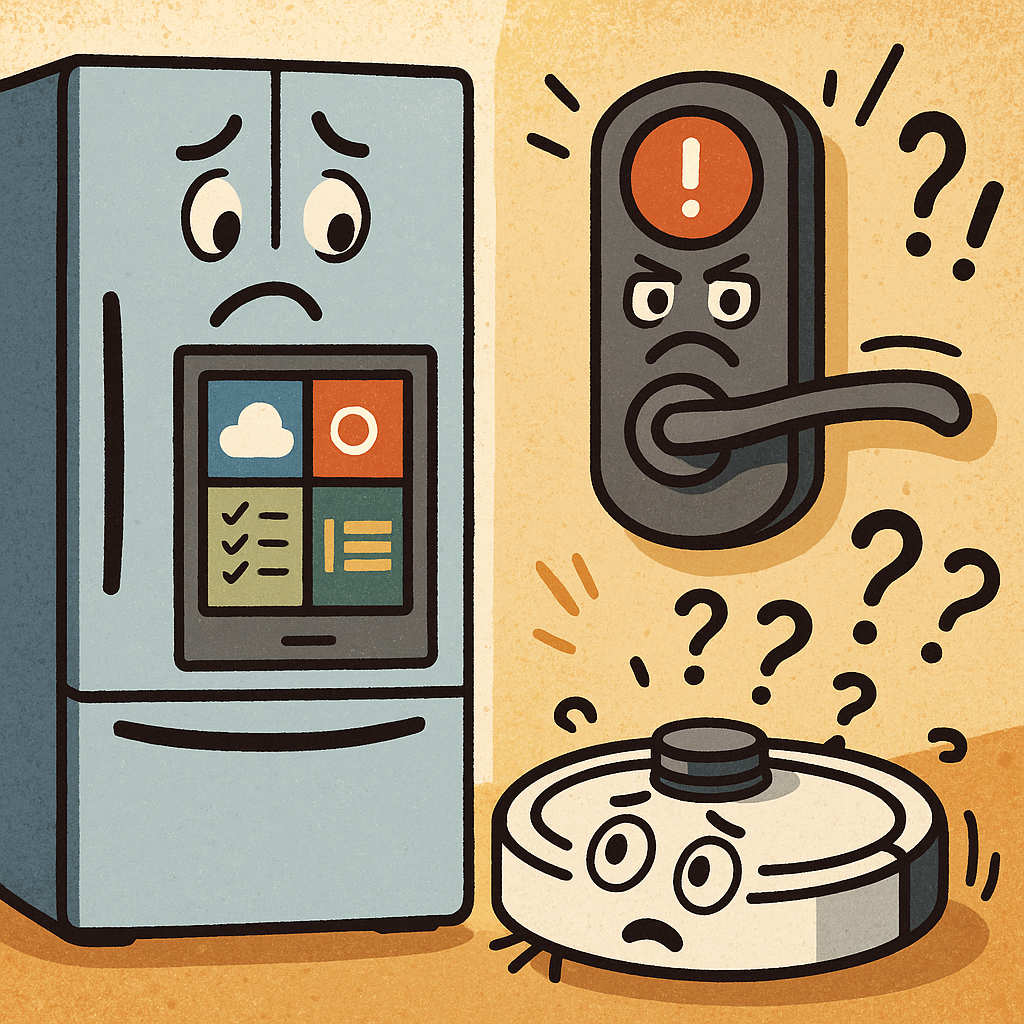
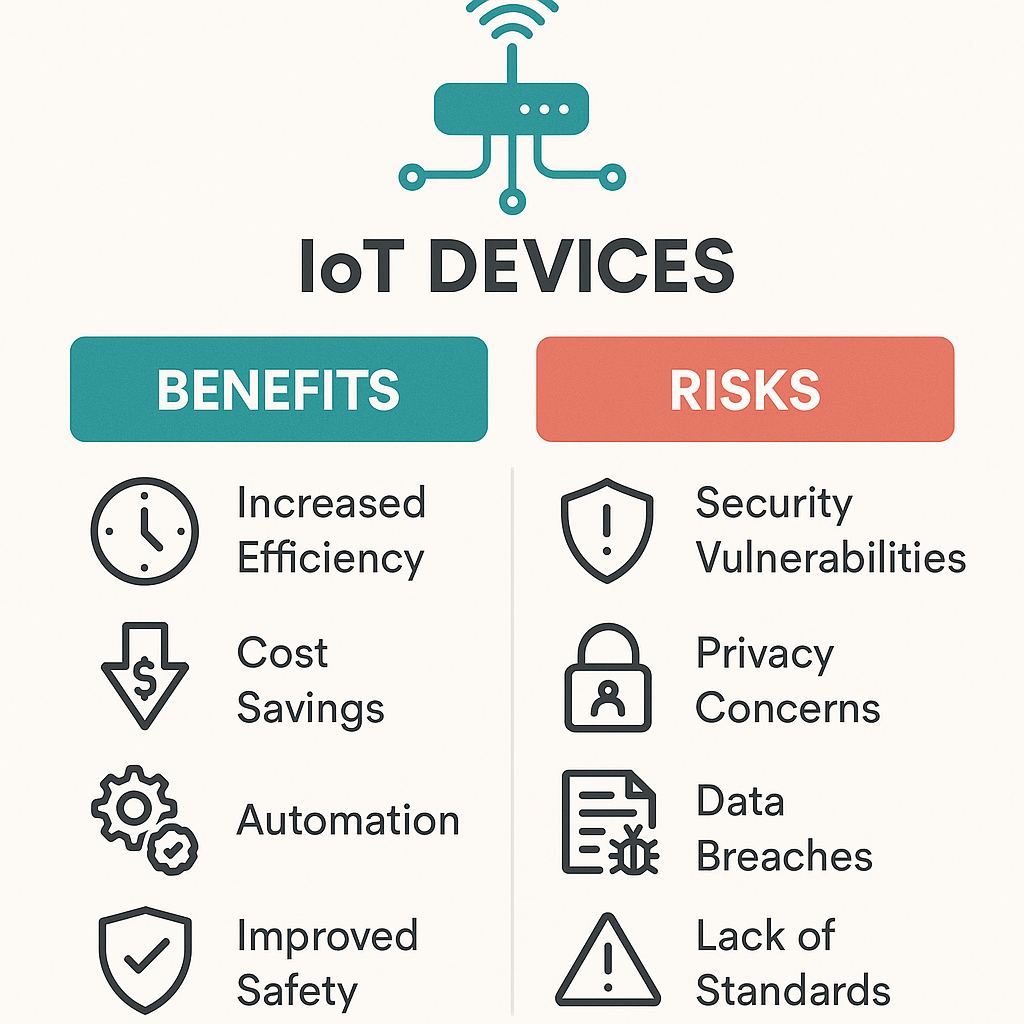
The Internet of Things (IoT) represents a rapidly expanding network of everyday objects embedded with sensors, software, and connectivity. This innovation has promised increased convenience, efficiency, and automation, transforming industries and daily life. Smart thermostats learn our schedules, fitness trackers monitor our health, and refrigerators can even restock themselves. However, these advancements also introduce new vulnerabilities and risks that often catch users and manufacturers by surprise. The proliferation of connected devices increases the attack surface for cybercriminals, while inadvertent design oversights can lead to surprising real-world consequences.
Public awareness of IoT mishaps is steadily growing, especially as odd or unexpected failures come to light. While many connected devices work seamlessly, their complexity and interconnectedness mean that one small flaw can have outsized effects. For instance, a baby monitor with a weak password policy might unintentionally allow strangers to access private moments, or a smart lock could malfunction and deny entry to homeowners. These incidents serve as potent reminders that innovation must be matched by robust safeguards, user education, and clear accountability. Understanding both the promise and peril of IoT is the first step toward a safer digital future.
As the IoT ecosystem evolves, all stakeholders—consumers, manufacturers, policymakers—have a role to play in ensuring devices remain trustworthy and secure. It is crucial for users to adopt best practices for device setup and maintenance, and for companies to prioritize security in design and deployment. Ultimately, navigating the exciting yet unpredictable world of IoT requires a blend of optimism, caution, and informed decision-making.
Summary
The rapid growth of IoT brings remarkable benefits alongside unexpected risks, emphasizing the need for vigilance and robust safeguards.
Not-So-Smart Devices: Unintended Consequences and Everyday Disruptions
Despite their name, smart devices can sometimes create more problems than they solve, leading to odd and disruptive mishaps. Many IoT products, ranging from voice assistants to networked appliances, have been at the center of confusion or outright chaos due to unexpected malfunctions. One frequently cited example involved a smart refrigerator sending spam emails after its network was compromised—illustrating how even innocuous home devices can be manipulated by malicious actors. Such incidents highlight the challenges of building secure software for a diverse and fast-growing array of connected objects.
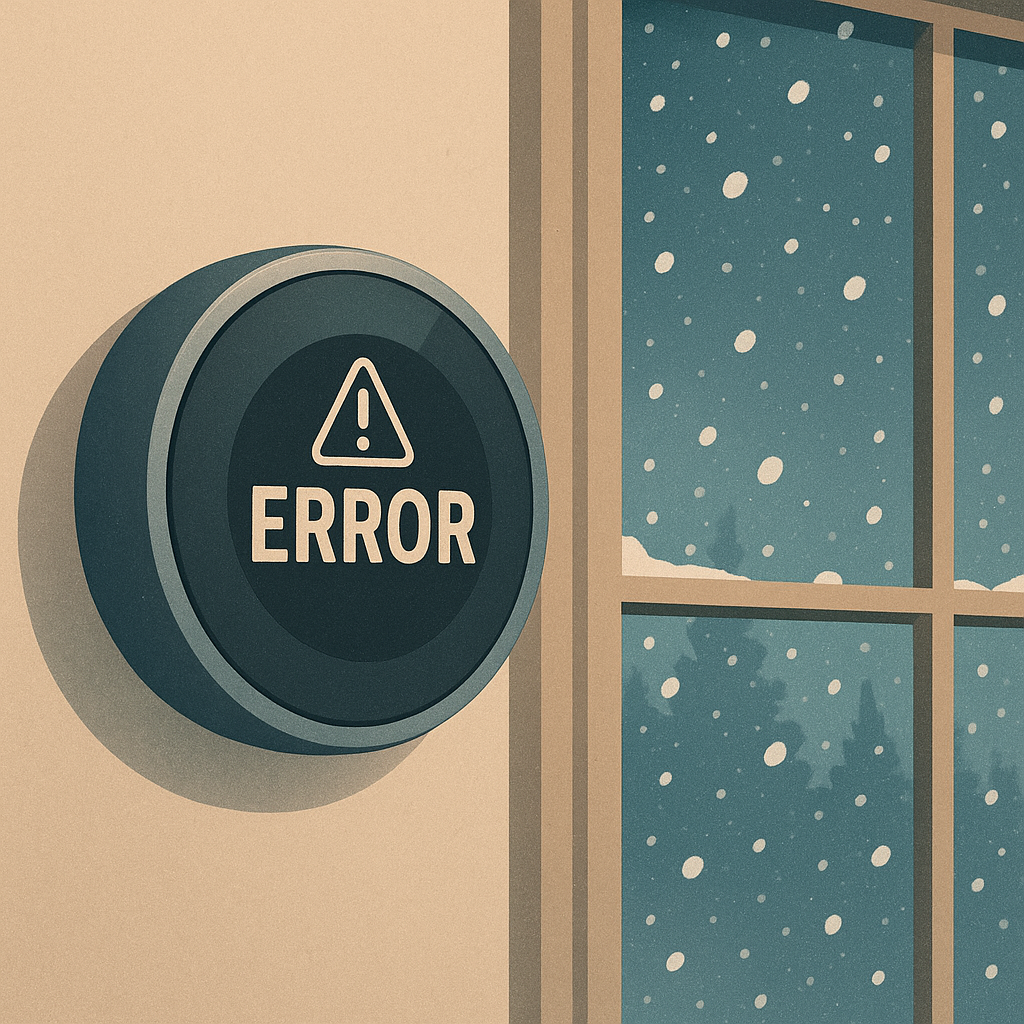
Unintended consequences often arise from software updates or device misconfigurations. In 2017, a widely reported event saw numerous smart thermostats stuck in a reboot loop due to a faulty firmware patch, leaving users without heat during winter months. Similarly, smart light bulbs have been known to flicker uncontrollably or become inaccessible through user interfaces after connectivity issues. While these mishaps may seem humorous or inconvenient, they also underline the real potential for disruption in everyday life. Each incident reinforces the need for careful testing and robust security standards in product development.
Another everyday disruption involves unexpected interoperability failures. Devices from different manufacturers may not communicate effectively, leading to automation routines that fail or, worse, activate at inappropriate times. For example, a smart sprinkler system that ignores weather data can waste water during a rainstorm. These stories demonstrate the importance of standards, transparency, and regular updates to ensure technology works for, rather than against, its users.
Summary
Unexpected device malfunctions and interoperability issues reveal the ongoing challenges of ensuring IoT reliability in daily life.
When Connectivity Goes Awry: Security Breaches and Privacy Nightmares
The interconnectedness that makes IoT devices so powerful also creates new vulnerabilities, sometimes with significant security and privacy implications. One of the most notorious IoT incidents was the 2016 Mirai botnet attack, where insecure consumer devices—such as cameras and routers—were hijacked en masse to launch a massive distributed denial-of-service (DDoS) attack, temporarily crippling major websites and internet infrastructure. This event demonstrated how even simple devices can be weaponized at scale when basic security measures are overlooked [1].
On a more personal level, privacy mishaps abound. Smart TVs have been found recording conversations without clear user consent, while baby monitors and security cameras have been accessed remotely by unauthorized individuals, sometimes leading to deeply distressing intrusions. These events are not always the result of malicious intent—sometimes, default settings or poorly explained privacy controls leave users exposed. Ensuring strong authentication, clear privacy disclosures, and timely security patches are essential steps in preventing such breaches.
Additionally, data aggregation by IoT devices can reveal sensitive patterns about daily routines, locations, and habits. When such data is improperly secured or shared without consent, the potential for misuse increases. While many manufacturers have improved their security postures, the rapid pace of innovation can lead to gaps in oversight and regulation. Addressing these issues requires collaboration among industry, government, and civil society to establish and enforce effective protections for all users.
Summary
IoT’s reliance on connectivity introduces security and privacy risks, making robust safeguards essential for consumer trust.
Comedic Catastrophes: Bizarre Real-World IoT Failures
Some IoT mishaps veer into the realm of the absurd, providing unexpected comedic relief even as they raise important questions about design and testing. For example, a smart toilet in Japan once malfunctioned, locking itself and refusing to flush, much to the bewilderment of its owner. In another instance, a voice-activated speaker misinterpreted a background conversation and began ordering hundreds of dollars’ worth of pet food online. While these episodes are often shared with humor on social media, they expose underlying issues in voice recognition, software reliability, and user interface design.
Other notable oddities include robotic vacuum cleaners escaping homes due to malfunctioning sensors, or pet feeders dispensing food at unpredictable times, causing pets to become anxious or overfed. Each of these scenarios, while amusing, represents a disconnect between human expectations and machine performance. They also serve as a reminder that real-world environments are complex, and unexpected interactions can produce surprising results. Manufacturers are increasingly focused on simulating diverse scenarios during testing to prevent these problems, but some unpredictability remains inherent to novel technologies.
As connected devices continue to enter new domains—from smart wearables to interactive toys—the range of potential mishaps expands. Ensuring that such incidents remain harmless, rather than harmful, will require ongoing investment in usability, safety, and consumer education. Although these comedic catastrophes rarely result in serious damage, they illustrate the need for both technical refinement and realistic user expectations in the IoT era.
Summary
Bizarre IoT mishaps highlight the unpredictable nature of technology and the importance of robust design and testing.
Lessons from the Edge: Improving IoT Safety and Reliability
Reflecting on these unexpected incidents, several key lessons emerge for making IoT devices safer and more reliable. First and foremost, security must be embedded from the ground up. This means implementing strong encryption, secure default settings, and regular updates that address newly discovered vulnerabilities. Manufacturers have a responsibility to communicate risks clearly and support devices throughout their lifecycle, ensuring that users are not left exposed to outdated software or unsupported hardware.
Transparency and user empowerment are equally important. Providing clear instructions, privacy controls, and accessible support channels can help users make informed decisions about device usage and maintenance. Regular public reporting on security issues, as well as third-party audits, can further enhance trust and accountability. For consumers, adopting best practices—such as changing default passwords and keeping devices up to date—remains a crucial line of defense.
Finally, collaboration between industry, regulators, and advocacy groups is needed to establish common standards and promote information sharing. While no system can be made perfectly secure, ongoing vigilance and shared responsibility will mitigate many risks. As IoT continues to evolve, a culture of safety, transparency, and inclusivity will help ensure that technology serves the greater good, rather than amplifying unforeseen dangers.
Summary
Embedding security, promoting transparency, and fostering collaboration are key to improving IoT safety and reliability.
The Road Ahead: Balancing Innovation, Convenience, and Caution
The future of IoT promises ever-greater integration into our personal and professional lives, from healthcare monitoring to smart transportation. This integration offers enormous potential benefits, but it also demands a thoughtful approach to risk management. Innovations such as artificial intelligence and machine learning could help devices anticipate and prevent failures, but may also introduce new forms of unpredictability and require careful oversight. It is essential to balance the drive for convenience with the need for privacy, security, and control.
Regulatory bodies in several regions are beginning to draft guidelines for IoT safety, mandating basic security features and improved transparency. While such measures could significantly reduce the frequency and impact of mishaps, they may also place additional burdens on smaller manufacturers or stifle experimentation. Policymakers must work closely with stakeholders to ensure regulations are effective, flexible, and inclusive. Similarly, ongoing education for consumers about risks and safe practices can empower individuals to make informed choices and minimize potential harms.
Looking ahead, the landscape of odd IoT mishaps will likely continue to evolve as technology advances. By maintaining a focus on ethical design, user empowerment, and adaptive regulation, society can maximize the advantages of connected living while minimizing unforeseen setbacks. The lessons of today’s mishaps will inform tomorrow’s solutions, helping to create a future where technology enriches lives without sacrificing safety or trust.
Summary
Balancing innovation with security and regulation will shape a safer, more inclusive IoT landscape moving forward.
Conclusion: Building Resilience in the Age of Connected Things
In summary, the Internet of Things offers remarkable opportunities alongside a host of odd and unexpected mishaps. By learning from past incidents—ranging from daily annoyances to major security breaches—consumers, manufacturers, and regulators can collectively forge a safer, more reliable path forward. Fostering resilience requires an ongoing commitment to security, transparency, and inclusivity. As the number and complexity of IoT devices grow, maintaining a healthy skepticism, prioritizing informed choices, and advocating for robust safeguards will be key to realizing the full promise of connected technology.
Everyone has a role to play in shaping this future. Whether through choosing secure devices, supporting responsible innovation, or participating in public dialogue, each action contributes to building a more trustworthy and enjoyable digital environment. As new and sometimes odd IoT mishaps inevitably arise, a resilient and well-informed community will be best positioned to adapt, learn, and thrive.
Summary
Resilience, vigilance, and collective action will help ensure a safe and beneficial future for the Internet of Things.
