Comfort Redefined: From Athleisure to Oversized Tailoring
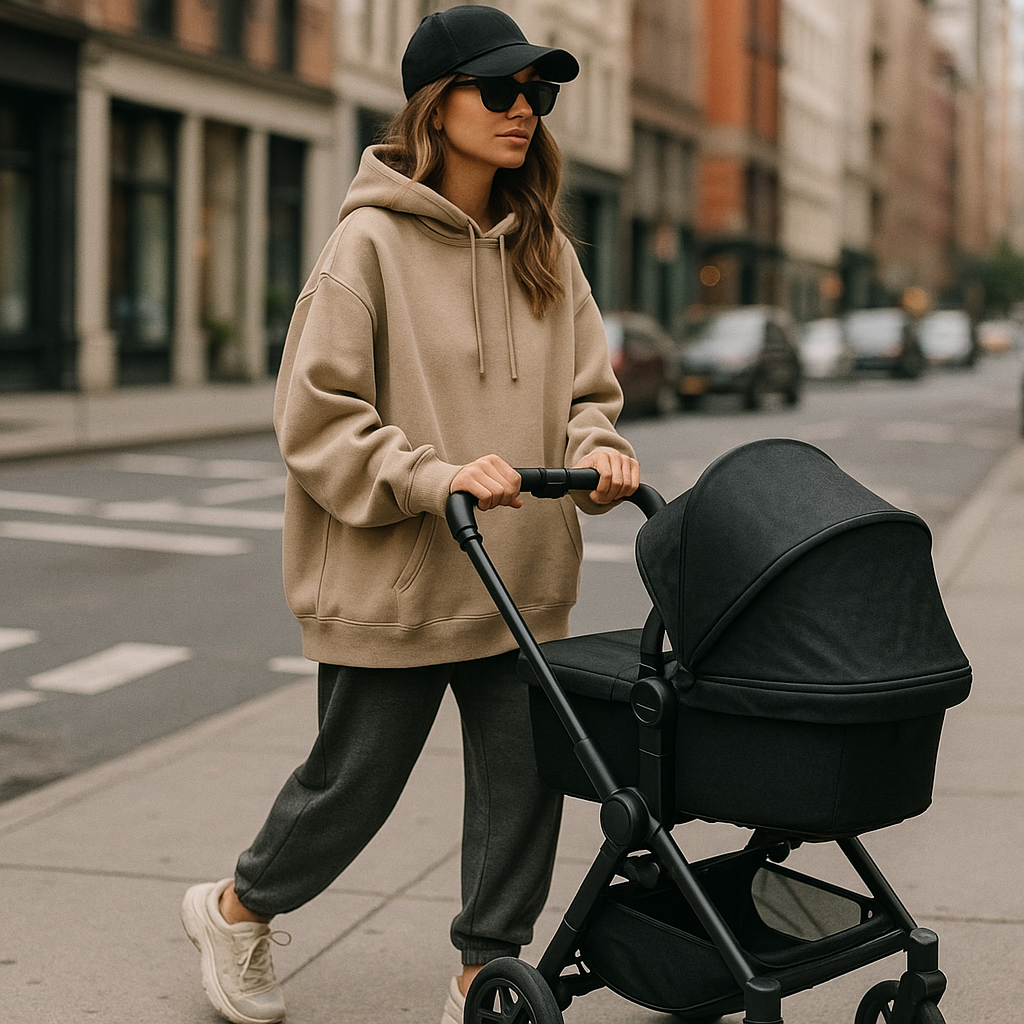
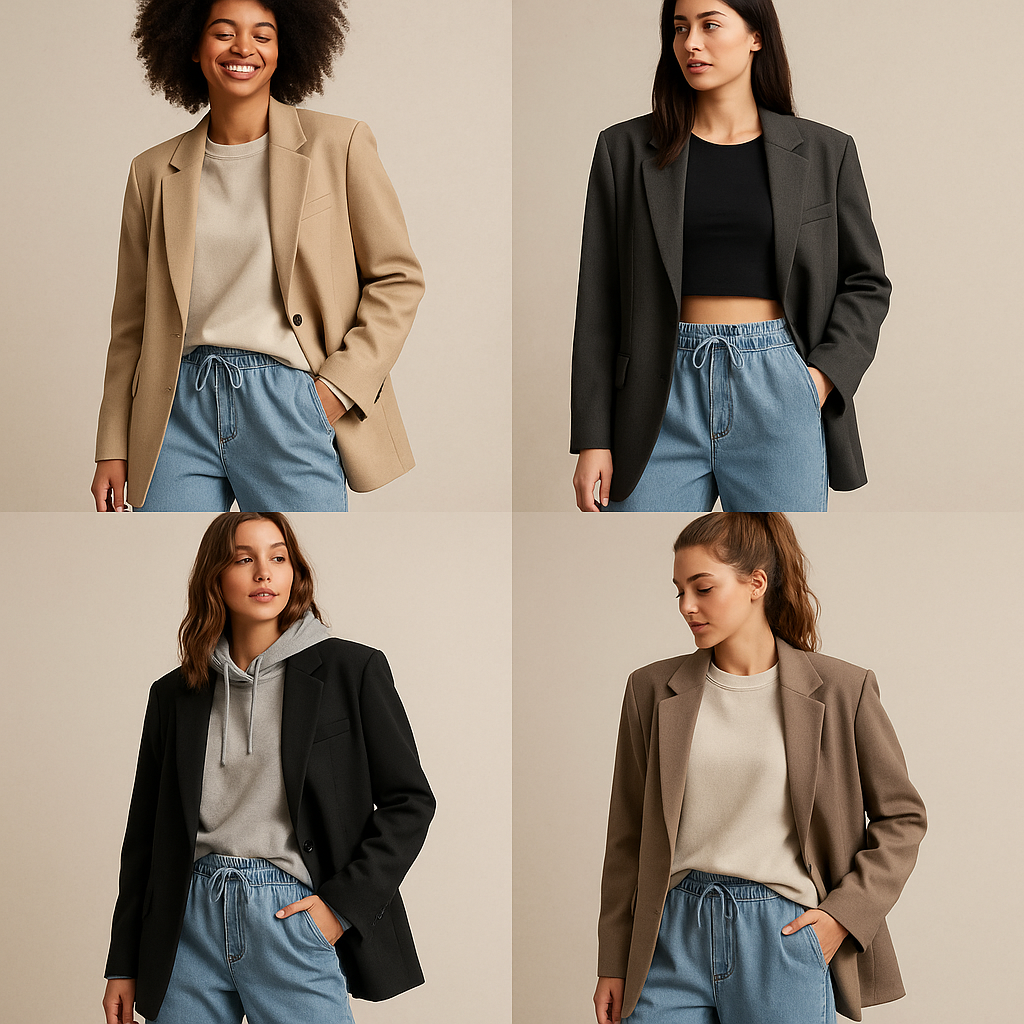
In 2025, the boundaries between comfort and style continue to blur, with mom fashion trends embracing elevated comfort through athleisure, oversized tailoring, and versatile casual essentials. The hectic pace of modern parenting demands clothing that not only looks good but also feels effortless throughout the day. This year, designers and brands have doubled down on using soft, breathable fabrics—think modal blends, high-stretch jersey, and recycled fleece—to create silhouettes that drape naturally and move with the body. Notably, oversized blazers, relaxed trousers, and jogger-inspired jeans are entering the mainstream, reflecting a shift toward looser fits that accommodate active lifestyles without sacrificing polish. For moms juggling multiple roles, these pieces offer adaptable looks for everything from school drop-offs to professional meetings, seamlessly transitioning between settings without compromising on comfort or style.
Another driving force is the resurgence of athleisure, with technical garments—like moisture-wicking leggings and sleek zip-up jackets—becoming everyday staples. Many brands are integrating functional details such as deep pockets, hidden zippers, and adjustable waists, tailored specifically for busy caregivers. This focus on practical yet chic attire resonates with mothers who prioritize self-care and wellness, as clothing that supports movement empowers women to tackle daily challenges with confidence. The resulting effect is a wardrobe that feels both relaxed and elevated, giving moms a sense of ease and capability. Ultimately, 2025’s comfort-forward approach sets a new standard, showing that style and practicality can—and should—coexist in modern motherhood.
Transitional Pieces for Every Occasion
Beyond individual garments, 2025's trend landscape emphasizes the importance of versatile, transitional pieces. Layer-friendly knits, midi-length shirt dresses, and oversized button-downs serve as foundation items that can be dressed up or down. For example, an unstructured blazer can be paired with leggings for weekend errands or styled with tailored trousers for a professional appearance. This adaptability reflects a growing consumer demand for fewer, higher-quality items that deliver maximum utility. Not only does this approach support a sustainable mindset, but it also streamlines daily outfit decisions, easing the mental load for moms who already juggle many responsibilities. Ultimately, the convergence of comfort, style, and versatility offers a roadmap for mothers seeking balance in their wardrobes and their lives.
Authenticity & Identity: Moms Lead, Not Follow
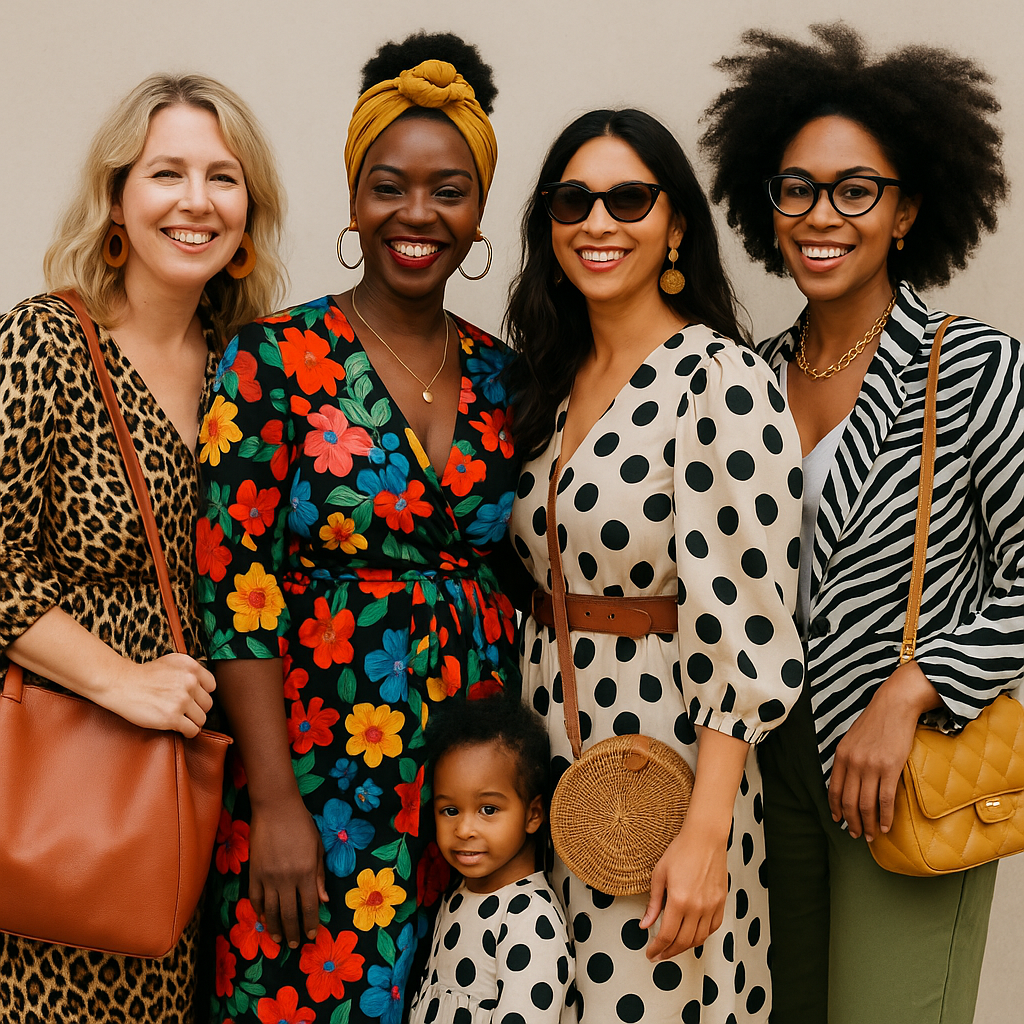
As societal narratives around motherhood evolve, 2025 sees moms asserting their personal identities through fashion rather than adopting prescribed norms. No longer willing to blend into the background, modern mothers are choosing wardrobe pieces that reflect their unique tastes, values, and cultural backgrounds. This self-expression is evident in bold prints, vibrant color palettes, and the mixing of unexpected textures, which together create looks that are as diverse as the women who wear them. Brands are responding with inclusive sizing, customizations, and designs informed by real mom feedback—signaling an industry-wide recognition that motherhood is not a monolith, and fashion should celebrate this diversity.
Central to this movement is the celebration of individuality. Many moms are rediscovering pre-motherhood style signatures and adapting them to new realities, such as layering statement jewelry over functional basics or pairing heritage scarves with modern streetwear. The rise of social platforms and online communities has also facilitated knowledge-sharing, giving mothers the inspiration and support to experiment with their look and reclaim agency over their appearance. By integrating personal flair with practical needs, moms in 2025 are breaking free from one-size-fits-all fashion rules, embracing authenticity, and empowering others to do the same. This shift signals a long-term cultural change, reinforcing that motherhood and individuality can—and should—coexist.
Community Influence and Fashion Identity
Digital communities and local networks play a pivotal role in empowering moms to define their style. Influencers and everyday mothers alike share outfit inspiration, DIY styling tips, and honest reviews of mom-friendly brands, creating a sense of belonging and shared purpose. For instance, grassroots hashtags and mom-focused fashion challenges are normalizing diverse expressions of motherhood, from punk-inspired looks to minimalist chic. This democratization of style ensures that all moms, regardless of age or background, have a platform to express their identity, connect with others, and feel seen in the broader fashion conversation. As a result, authenticity becomes the hallmark of 2025 mom fashion, celebrating both individuality and community spirit.
Functionality & Sustainability: What Matters in Real Life
For moms in 2025, functional fashion is more than a trend—it is a necessity shaped by real-world demands. Practicality is prioritized through features such as washable fabrics, built-in nursing access, and convertible designs that adapt to shifting needs throughout the day. Brands are increasingly launching “capsule collections” with multi-use garments—think reversible jackets, two-in-one tops, and modular accessories—allowing mothers to build cohesive, mix-and-match wardrobes. This practical mindset helps simplify morning routines, reduces wardrobe clutter, and provides value, as each item serves multiple purposes. The approach reflects a larger societal push for efficiency and mindful consumption, particularly in households managing limited time and resources.
Sustainable Materials and Ethical Choices
Sustainability is a major consideration in 2025, with eco-friendly materials and responsible manufacturing becoming baseline expectations for mom-targeted fashion. Fabrics such as organic cotton, TENCEL™, and recycled polyester are widely used, minimizing environmental impact while ensuring durability and comfort. Many brands now provide transparency about their supply chains, offering certifications and detailed care instructions to extend the lifespan of each garment. In addition, upcycled accessories and pre-loved clothing marketplaces are gaining popularity, allowing moms to shop sustainably while accessing unique, high-quality items. These choices empower mothers to align their values with their shopping habits, reinforcing the link between responsible fashion and family wellbeing. The continued momentum toward sustainable practices is expected to shape the industry for years to come, though some challenges—such as affordability and accessibility—may persist.
Blending Comfort, Identity, and Function: Practical Wardrobe Strategies
Successfully merging comfort, identity, and function is a nuanced process, and 2025 offers more resources and inspiration than ever for moms seeking balance. Building a practical yet expressive wardrobe begins with identifying a core set of versatile basics—like a tailored blazer, breathable joggers, and a neutral midi dress—then layering in statement pieces that reflect personal style. For example, pairing functional trainers with a bold-patterned skirt, or accenting a monochrome look with artisanal accessories, can create visually interesting outfits that still feel approachable and wearable. The key is mindful curation: focusing on items that offer flexibility, longevity, and the potential to mix and match for various occasions.
Personalizing Everyday Outfits
Individual expression doesn’t have to mean sacrificing practicality. Many mothers find joy in accessorizing simple outfits with meaningful jewelry, colorful scarves, or playful bags that reflect their heritage, hobbies, or aspirations. Thoughtful layering, such as a textured cardigan over a graphic tee, adds personality without compromising ease of movement or washability. Community forums and mom-focused styling guides are valuable resources for discovering new outfit combinations and learning from the experiences of others. Ultimately, this approach empowers moms to make conscious choices that honor both their functional needs and their sense of self, reinforcing confidence and well-being in daily life.
Emotional Well-Being and Fashion: The Confidence Connection
How mothers feel in their clothes can profoundly influence emotional well-being and self-esteem. 2025’s trends recognize the psychological impact of fashion by prioritizing garments that nurture comfort, foster self-expression, and adapt to daily realities. When mothers dress in a way that feels authentic and supportive, research suggests they experience greater confidence, which can positively affect interactions with family, colleagues, and peers. This connection between clothing and mood is particularly important during transitions, such as returning to work or adapting to new family dynamics. By choosing outfits that support both function and identity, mothers can reinforce their own sense of worth and model positive self-care for their children.
Building a Supportive Fashion Mindset
Cultivating a positive fashion mindset involves letting go of unrealistic standards and focusing on what feels right for one’s own life. This may include setting aside time for mindful shopping, involving family in outfit decisions, or seeking inspiration from peers with similar lifestyles. Importantly, the goal is not perfection but empowerment—using clothing as a tool for self-expression, comfort, and resilience. Brands and community leaders are increasingly highlighting stories of real mothers navigating fashion challenges, normalizing a wide range of experiences and choices. As this conversation grows, it could help reduce stigma, boost self-esteem, and foster a culture of acceptance and support within the broader mom community.
Future Outlook: Evolving Mom Fashion in a Changing World
Looking ahead, mom fashion is poised to continue its trajectory toward inclusivity, innovation, and sustainability. As technology evolves, there may be further integration of smart textiles—such as temperature-regulating fabrics or interactive accessories—that enhance functionality without sacrificing style. Consumer demand for transparency and ethical practices is likely to remain strong, influencing brands to prioritize responsible sourcing and inclusive representation. At the same time, the growing emphasis on personalization and community-driven design could result in more collaborative collections, co-created with mothers who share their needs and insights directly with designers. While some barriers, such as cost and accessibility, may persist, ongoing dialogue between brands and consumers could foster meaningful progress.
Ultimately, the future of mom fashion lies in its ability to adapt to changing societal expectations, support diverse identities, and meet the practical realities of everyday life. By continuing to prioritize comfort, individuality, and function, the industry can help mothers navigate the evolving landscape with confidence and ease—reinforcing the message that great style is for everyone, at every stage of life.
Staying Ahead of the Trends
Moms interested in keeping up with fashion trends may benefit from subscribing to mom-focused style newsletters, engaging with online communities, and supporting brands that share their values. Attending local fashion events or participating in virtual styling sessions can offer additional inspiration and foster connections with other mothers. As the industry continues to innovate, moms who prioritize authenticity, comfort, and function will be well-positioned to curate wardrobes that serve both their unique identities and their practical needs, whatever the future holds.
