The Rise of Eccentric Parenting Practices in the Digital Age
The landscape of parenting advice and community has shifted dramatically in recent years, as social media platforms and online forums offer unprecedented opportunities for parents to share, observe, and adopt novel practices. Eccentric parenting—ranging from unconventional sleeping arrangements to radical educational approaches—has found a global audience. The ability to broadcast daily routines, successes, and challenges encourages a more transparent, albeit curated, view of family life. Parents are not only influenced by local communities but are increasingly part of worldwide conversations. Viral trends emerge when unique practices resonate, surprise, or provoke debate, encouraging shares and responses. While the accessibility of diverse ideas empowers families to tailor their approaches, it can also spark controversy, highlighting the importance of respectful discourse and informed decision-making.
Some trends gain traction because they challenge traditional norms or promise novel solutions to perennial parenting issues. For example, certain parents have documented raising children on exclusively raw diets, unschooling, or practicing elimination communication. These stories often reach millions through platforms like TikTok and Instagram, catalyzing public conversations about the boundaries of child-rearing. Critics and supporters alike weigh in, which can amplify a practice's visibility even further. However, as these conversations grow, they may also become polarized. Ensuring accurate representation and avoiding sensationalism is crucial, especially when discussing sensitive topics involving children's wellbeing.
Ultimately, the digital age has democratized parenting expertise, making it possible for every voice—regardless of professional background—to contribute to the global narrative. This phenomenon both enriches the parenting dialogue and calls for increased media literacy. As families encounter new ideas, it becomes essential to evaluate claims critically, recognizing the distinction between personal anecdote and evidence-based guidance.
Summary:
The rise of social media has rapidly amplified unconventional parenting practices, creating viral movements and shaping modern discourse.
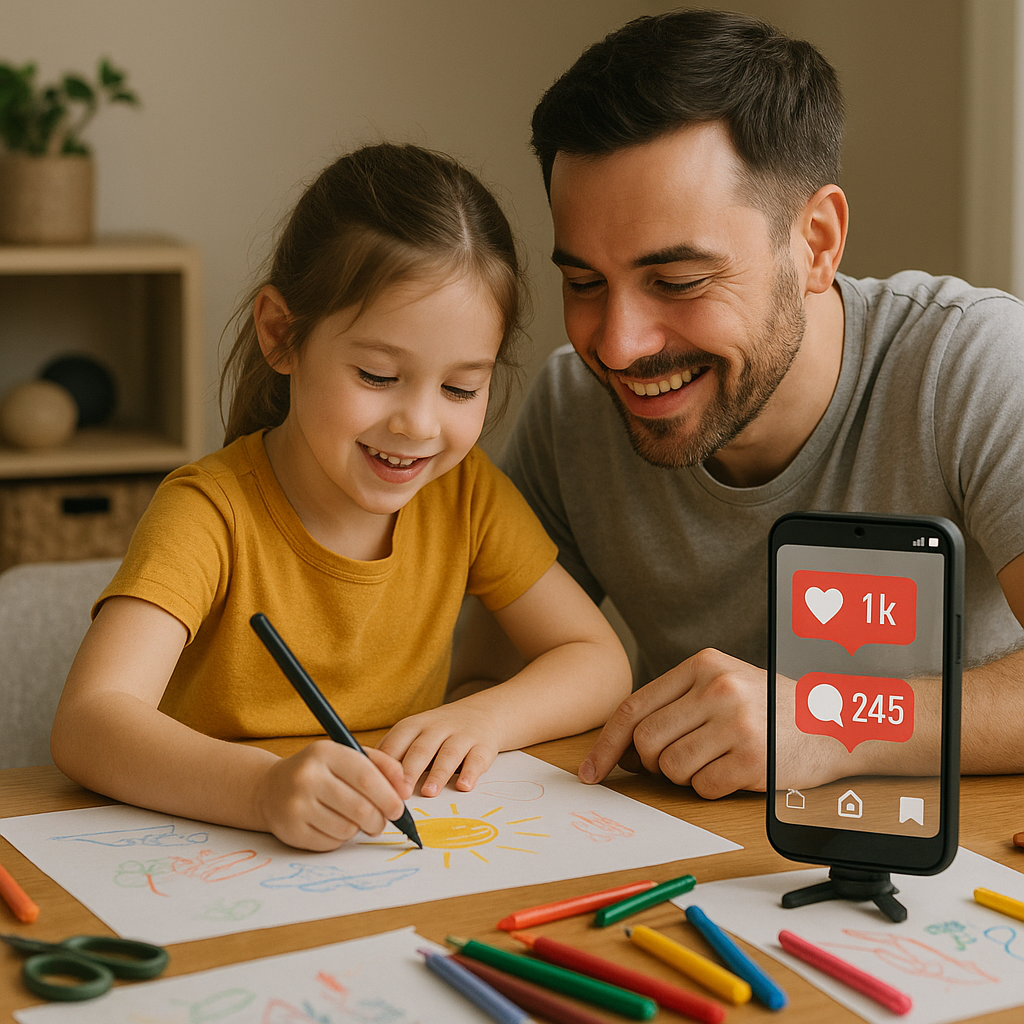
Image: Parent and child creating a video at home, symbolizing viral parenting practices.
Notable Examples of Eccentric Parenting Practices
As viral parenting trends proliferate, several distinctive practices stand out for their creativity and the debates they spark. One notable example is “free-range parenting,” where children are encouraged to navigate the world with minimal supervision. Proponents argue this builds independence and resilience, while critics raise safety concerns. Viral stories, such as parents letting young children ride public transport alone, often ignite passionate discussions about societal expectations and child autonomy. Another high-profile trend is “attachment parenting,” emphasizing extended breastfeeding, co-sleeping, and constant physical closeness. While many families find comfort and bonding in these methods, detractors caution against potential boundary issues and parental burnout.
Additionally, “unschooling” represents a radical departure from traditional education, allowing children’s interests to drive learning rather than formal curricula. Online videos showcasing unschooling routines garner millions of views and comments, inspiring some families while raising questions about academic preparedness. In another case, “elimination communication” eschews diapers in favor of reading infants’ cues for bathroom needs. Though lauded by advocates for fostering communication and reducing waste, critics cite logistical challenges and the lack of robust scientific support.
These examples illustrate the spectrum of viral eccentric parenting, from philosophies with established communities to newer experiments documented online. Each trend highlights the diverse values and priorities shaping modern parenting, while reminding audiences to approach new practices with critical curiosity and respect for differing perspectives.
Summary:
Distinctive viral parenting practices, from free-range parenting to unschooling, fuel debates and reflect evolving family values.
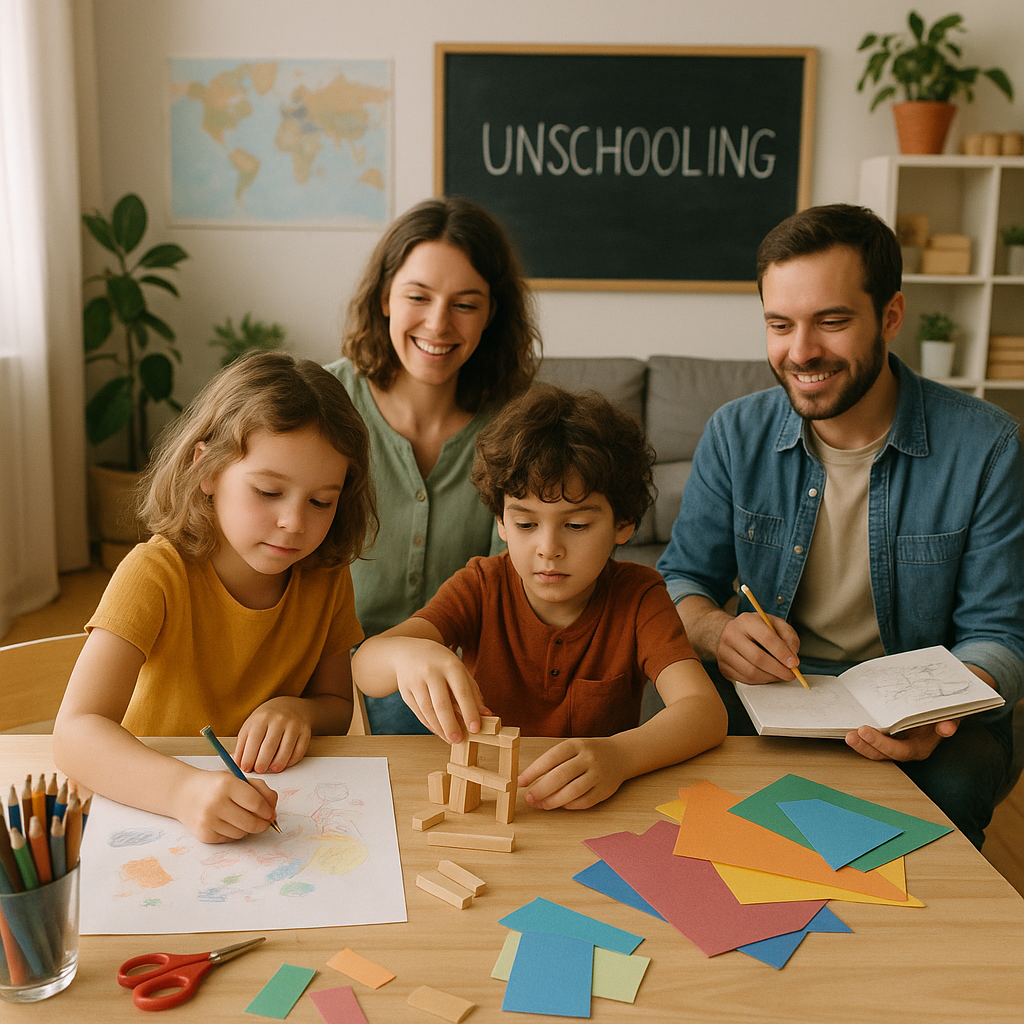
Image: Children engaged in self-directed learning at home, depicting unschooling in practice.
The Role of Social Media in Viral Parenting Trends
Social media platforms serve as catalysts for the spread of unconventional parenting practices. Algorithms on platforms like TikTok, Instagram, and YouTube amplify content that is novel, emotionally resonant, or controversial. As a result, posts about unusual routines or philosophies can reach vast audiences quickly, especially when creators use hashtags or challenges to increase visibility. Influencers and everyday parents alike contribute to the dissemination of these practices, using storytelling, humor, and visual content to engage followers. The visual and interactive nature of these platforms enables parents to both share and learn, creating feedback loops that can rapidly accelerate the popularity of new trends.
The viral potential of eccentric parenting is further fueled by online communities that form around specific practices. These groups offer validation, advice, and camaraderie, which encourages others to try and share their experiences. However, the rapid spread of information may also contribute to the propagation of misinformation or the oversimplification of nuanced topics. As trends evolve, critical engagement with content—such as evaluating the credentials of content creators or seeking out peer-reviewed research—is increasingly important for parents making informed choices.
Moreover, the global reach of social media bridges cultural gaps, exposing audiences to a wide range of parenting traditions and innovations. While this fosters cultural exchange and greater understanding, it may also lead to the appropriation or misrepresentation of certain practices. To promote ethical engagement, it is essential to approach viral trends with sensitivity and openness, recognizing that every family’s context is unique.
Summary:
Social media accelerates the spread of unconventional parenting practices, fostering global conversations and shaping family culture.
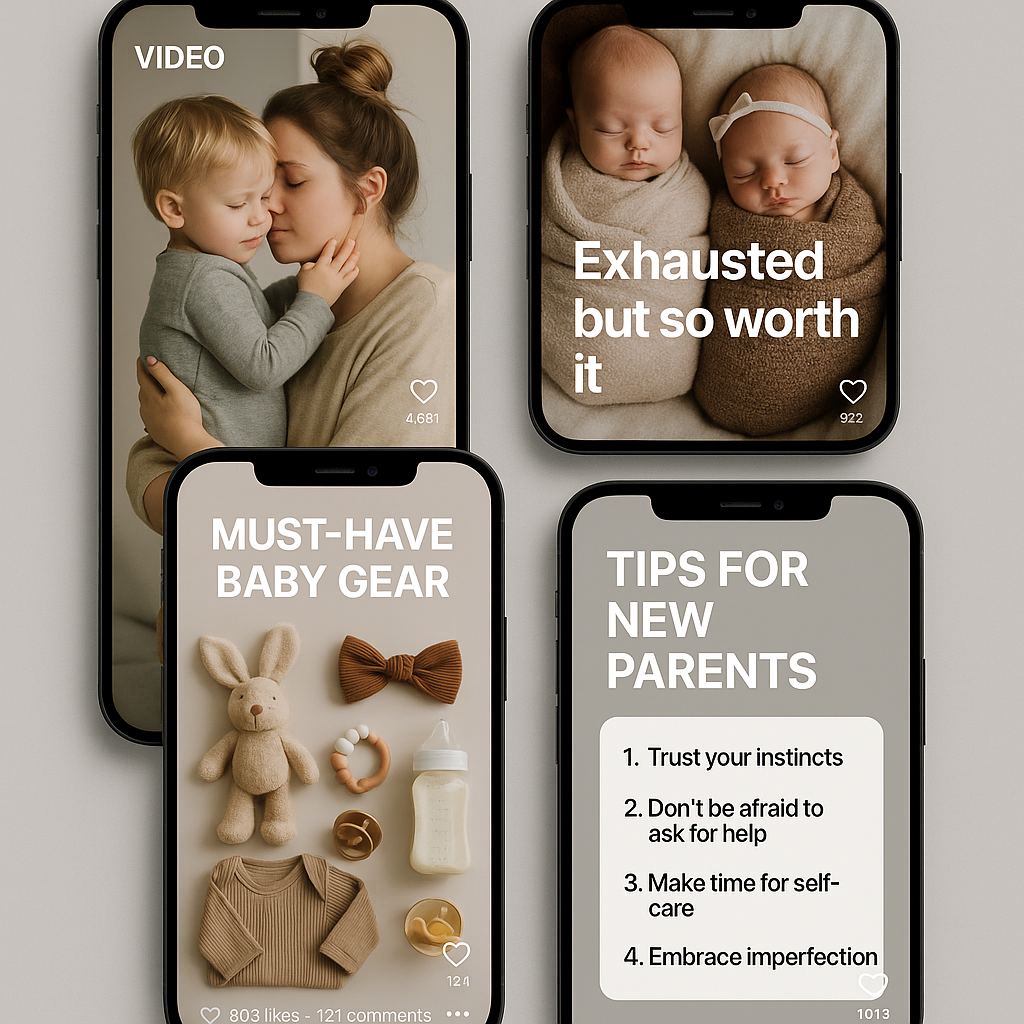
Image: Montage of social media screens displaying trending parenting content.
Potential Impacts on Children and Families
The proliferation of viral eccentric parenting practices raises important questions about their effects on children and family dynamics. Supporters often cite increased autonomy, creativity, and resilience as potential benefits. For example, advocates of free-range parenting suggest that allowing children to manage risks can foster confidence and problem-solving skills. Meanwhile, attachment parenting is associated with strong emotional bonds and secure attachment. However, potential drawbacks warrant consideration. Practices that significantly deviate from social norms may lead to social isolation for children, or place undue stress on parents striving to meet unconventional standards. Furthermore, methods lacking scientific validation could have unintended developmental or psychological consequences.
Research on outcomes varies widely, often reflecting the complexity and diversity of individual family circumstances. While anecdotal evidence can offer insights, it may not capture the full spectrum of possible effects. Health professionals generally recommend balancing innovative practices with well-established principles of child safety, nutrition, and emotional wellbeing. Families are encouraged to consult qualified experts and prioritize children’s best interests, especially when considering practices that challenge conventional norms.
Importantly, viral trends may influence not only the families who practice them but also broader societal attitudes towards parenting. As these trends shape perceptions of what is “normal,” they can either foster greater acceptance of diversity or reinforce new forms of judgment. Ensuring that discussions remain respectful and inclusive is vital as parenting practices continue to evolve in the public eye.
Summary:
Viral parenting practices may yield both positive and negative effects on children and families, underscoring the need for balanced, evidence-informed choices.
Image: Family engaging in positive activities together, reflecting healthy dynamics amid new practices.
Ethical Considerations and the Importance of Media Literacy
The viral spread of eccentric parenting practices poses several ethical questions, especially regarding children’s privacy, consent, and wellbeing. Many viral trends feature children in prominent roles, sometimes without clear guidelines about their rights or long-term interests. While sharing experiences can foster community and support, it is essential to safeguard children’s dignity and autonomy. Ethical parenting content should avoid exploiting children for likes or views, and prioritize transparency about the potential risks and limitations of unconventional methods.
Media literacy plays a crucial role in navigating the vast array of online parenting content. Audiences must critically evaluate sources, distinguishing between anecdotal narratives and scientifically validated advice. This includes recognizing the persuasive techniques used by content creators and being wary of trends that lack robust evidence or professional endorsement. Parents should be encouraged to seek diverse perspectives, consult experts, and consider the broader implications of adopting new practices.
Respectful dialogue, inclusive language, and a commitment to avoiding sensationalism are fundamental when discussing viral parenting trends. By promoting thoughtful engagement and ethical standards, communities can support families in making informed, responsible choices that prioritize children’s health and happiness.
Summary:
Ethical engagement and strong media literacy are essential for navigating and sharing viral parenting practices responsibly.
Image: Parent analyzing parenting content online, representing responsible media engagement.
Looking Ahead: The Future of Parenting in the Age of Virality
The trajectory of viral parenting practices suggests that innovation and adaptation will remain central to the evolution of family life. As digital platforms continue to facilitate the rapid spread of new ideas, parents are likely to encounter an ever-expanding array of approaches. Future trends may include the integration of technology in parenting routines, the emergence of micro-communities around niche philosophies, and increased collaboration between experts and online influencers. However, it is important to recognize that not all practices will prove beneficial or sustainable in the long term. Predicting which trends will endure is challenging, as outcomes depend on cultural, social, and individual factors.
Ongoing research and dialogue could help clarify the effects of eccentric parenting practices, providing clearer guidelines for families. As the conversation evolves, policymakers and child welfare organizations may consider developing frameworks to protect children’s rights in digital spaces. Meanwhile, parents should continue to approach new trends with openness, curiosity, and discernment—seeking out evidence, engaging with diverse communities, and prioritizing their children’s wellbeing above all else.
By fostering a culture of empathy, critical thinking, and responsible innovation, society can ensure that the future of parenting in the viral age remains both dynamic and supportive for all families.
Summary:
The future of parenting will likely be shaped by ongoing innovation, critical engagement, and a focus on children’s best interests in a digital world.
Image: Families engaging with digital tools, illustrating the evolving nature of parenting practices.
