The Wildest Engine Swaps Ever Attempted
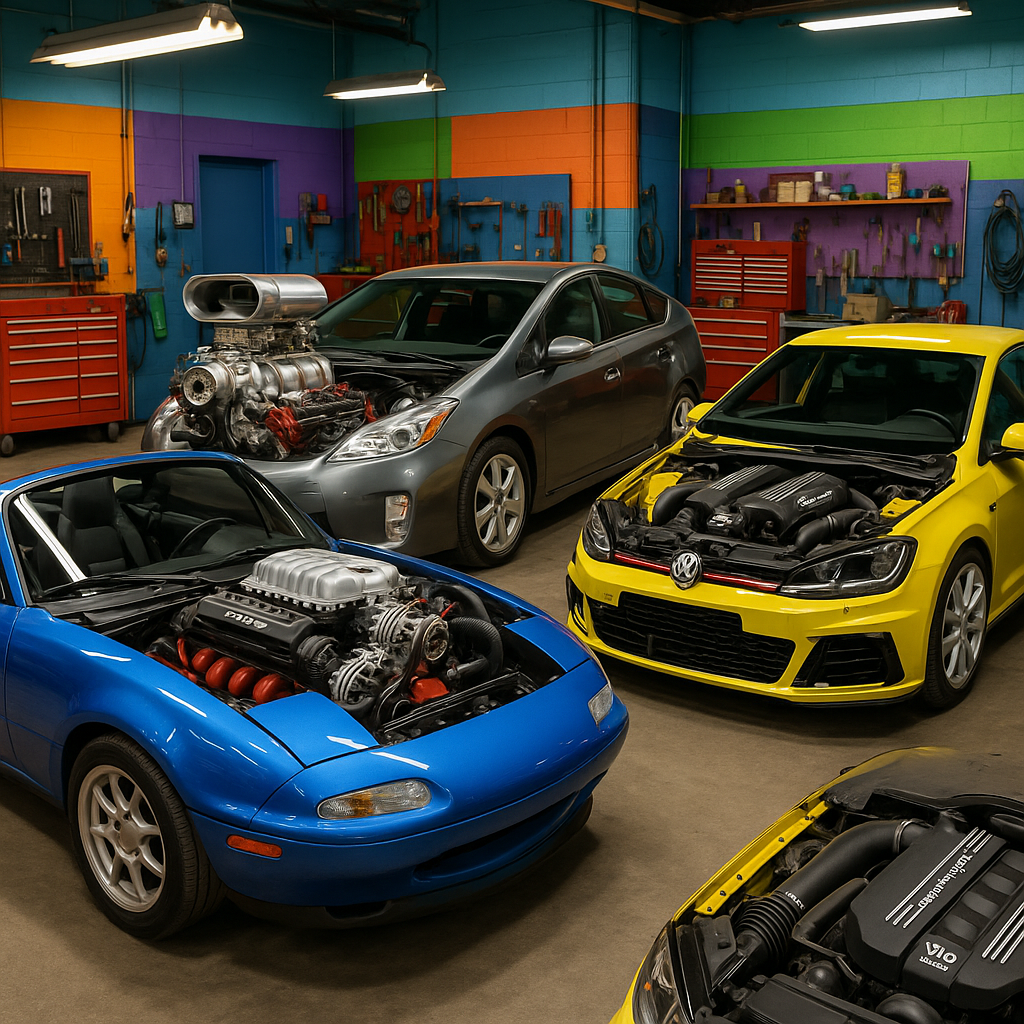
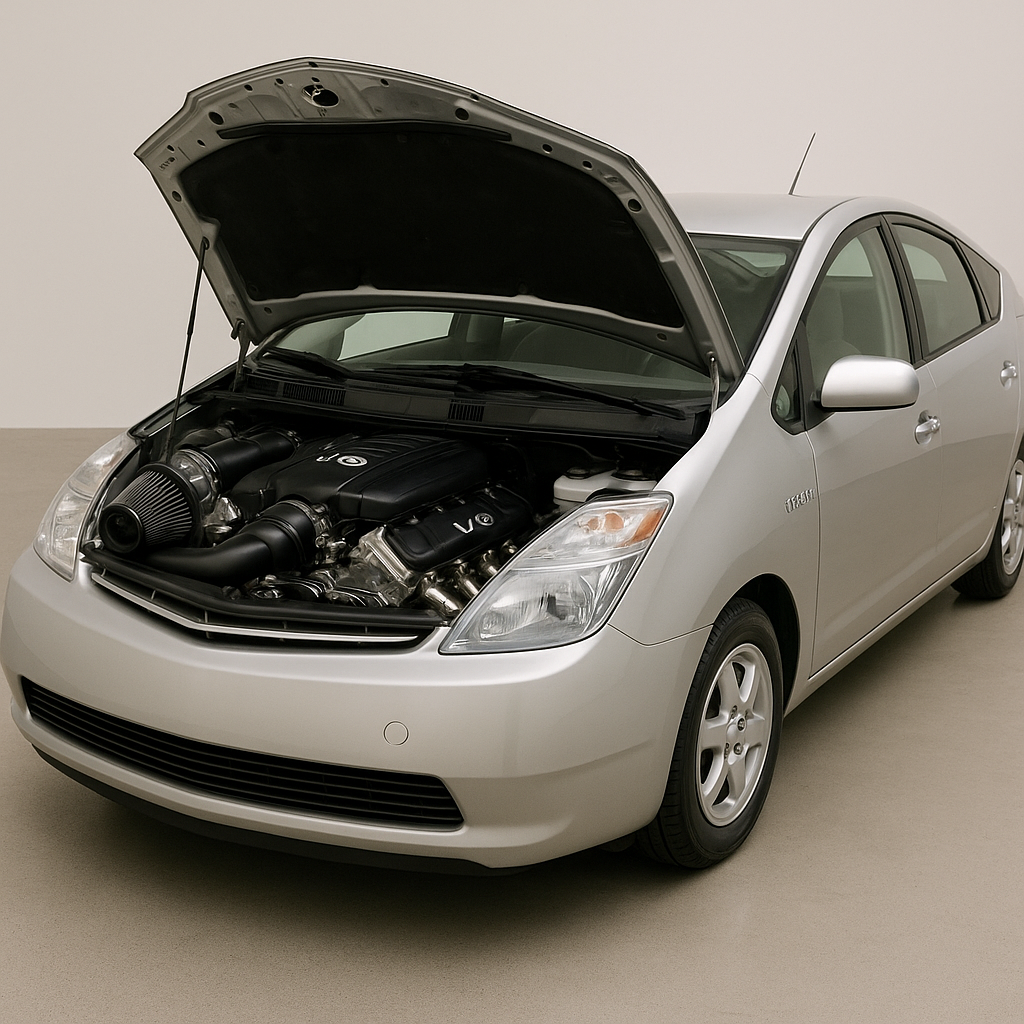
Engine swaps have become the cornerstone of automotive experimentation, captivating enthusiasts with feats that push both engineering boundaries and imagination. While many swaps aim to upgrade performance modestly, some builds have truly astonished the car world. For example, the Toyota Prius with a V8 engine transplant not only subverted expectations but also demonstrated the skill required to fit a massive, high-output engine into a chassis designed for efficiency. Such projects are both technical challenges and bold statements about breaking conventions.
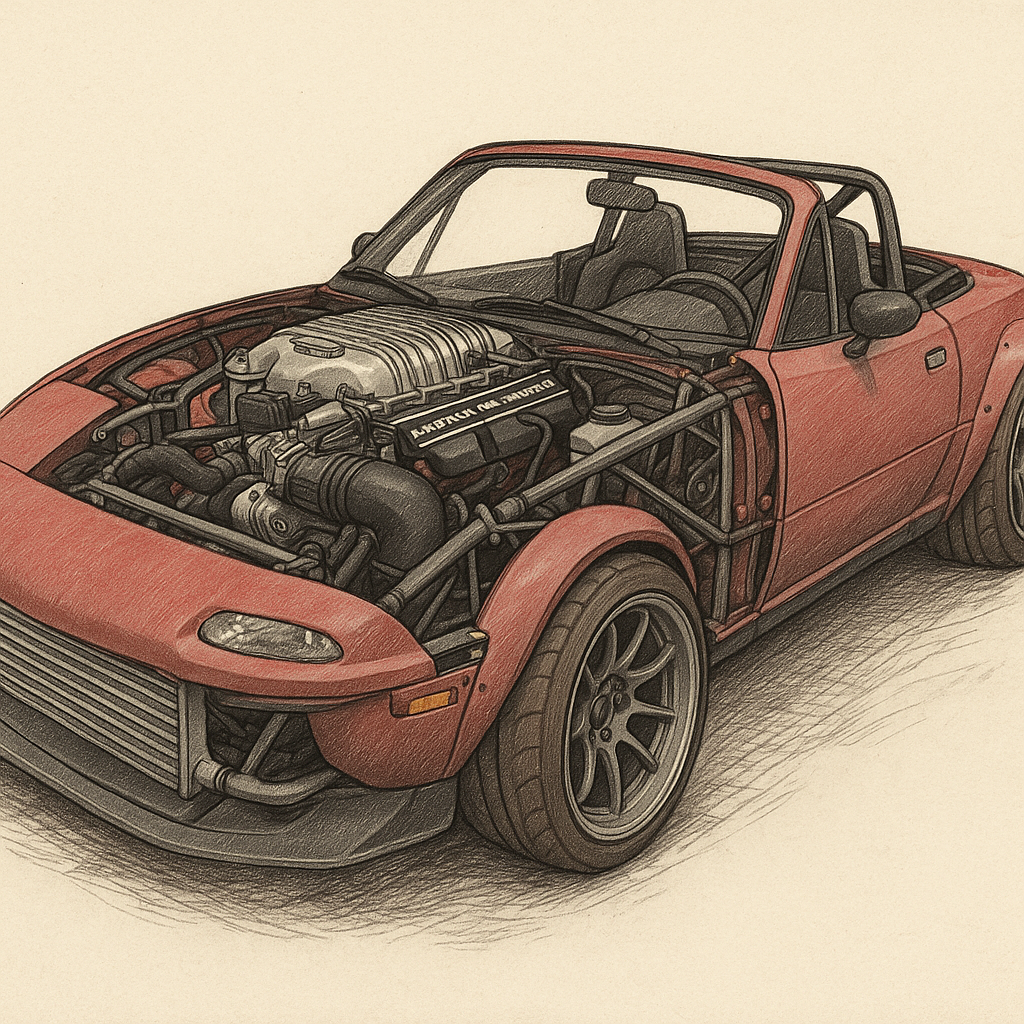
Another remarkable instance is the Miata powered by a Hellcat V8 engine. Given that the Mazda MX-5 Miata is lauded for its lightweight and nimble handling, dropping in an engine that delivers over 700 horsepower fundamentally transforms its character. These swaps often demand custom fabrication, upgraded transmissions, reinforced suspensions, and innovative cooling solutions to handle the increased power and torque, showing that the craft is as much about engineering prowess as it is about ambition.
The art of engine swapping also ventures into the realm of juxtaposition, as seen in the Volkswagen Golf fitted with a twin-turbocharged Lamborghini V10. Projects like this highlight the adaptability of automotive platforms and the resourcefulness of builders who can integrate advanced electronics, manage intricate wiring, and overcome fitment challenges. Each example proves that the limits of engine swapping are often only defined by the imagination, skills, and resources of those willing to dream big.
Famous Frankenbuilds: Unlikely Hybrids That Work (or Almost Do)
Some of the most iconic frankenbuilds transcend mere engine swaps and fuse disparate parts, styles, and brands into one machine. The “Ferrari-engined Toyota 86” is an excellent example, where a budget-friendly sports coupe receives the heart of a supercar. These projects challenge not just the laws of engineering but also purist notions of brand identity, sparking both admiration and controversy within the automotive community. Such hybrids prove that innovation often occurs at the intersection of practicality and imagination.
Perhaps the most infamous example is the “Pontiac Fiero Ferrari Replica,” a recurring theme in the custom car world where owners use a humble American chassis to replicate the appearance—and sometimes performance—of Italian exotics. While some replicas are visually convincing, others embrace the humorous mismatch of components, celebrating the joy of creation over perfection. These cars exemplify how accessibility and resourcefulness can produce results that are as endearing as they are outrageous.
Other standouts include trucks with luxury car interiors, classic muscle cars running electric Tesla powertrains, and supercars utilizing off-the-shelf parts from economy cars for reliability or cost savings. Each of these hybrids represents not only a technical achievement but also a commentary on automotive culture, inviting enthusiasts to question what makes a car truly special. The enduring appeal of frankenbuilds lies in their ability to surprise, amuse, and sometimes inspire the industry itself.
What Drives the Craze? The Culture and Virality of Outrageous Builds
The allure of outrageous car part swaps and frankenbuilds is deeply rooted in automotive culture’s celebration of individuality and technical mastery. Social media has amplified these projects, turning once obscure garage experiments into viral sensations. Platforms like YouTube and Instagram enable builders to share every step of their process, fostering a sense of community and sparking new trends. Viral builds can quickly become legends, inspiring others to pursue equally bold projects or iterate on the concept.
Psychologically, these extreme builds appeal to a universal admiration for boundary-pushing creativity. The fusion of unlikely parts, the subversion of expectations, and the risk of failure all contribute to a compelling narrative that resonates beyond car enthusiasts. Outrageous swaps often become the focal point of heated debates around authenticity, safety, and the definition of “real” car culture, highlighting how these projects ignite both inspiration and controversy in equal measure.
The virality of frankenbuilds is also sustained by a sense of inclusivity: anyone with determination, ingenuity, and a willingness to learn can embark on a similar project. While some high-profile builds are supported by sponsors or workshops, many viral sensations come from small teams or individuals working in home garages. This accessibility ensures that the tradition of outrageous swaps remains dynamic and continually evolves with each new generation of builders.
Engineering Challenges and Safety Considerations
Creating an outrageous part swap or frankenbuild is not merely an exercise in imagination—it involves complex engineering challenges and essential safety considerations. Integrating an engine or component not intended for the original platform necessitates custom mounts, reinforced subframes, and precise alignment of drivetrains. Missteps can lead to unreliable or even dangerous vehicles, underscoring the importance of expertise and thorough planning. Professional builders often stress-test their projects extensively before unveiling them to the public.
One frequently overlooked aspect is compliance with road safety regulations and emissions standards. Swapping engines or mixing vehicle systems can create hurdles in passing inspections or registering the car legally, especially in regions with stringent automotive laws. Many builders collaborate with engineers or utilize simulation software to ensure that their projects meet basic safety and emissions requirements, mitigating the risks for both themselves and future owners.
Furthermore, responsible builders emphasize transparent documentation, sharing both successes and failures to promote a culture of learning. Openly discussing the pitfalls—such as mismatched brakes, inadequate cooling, or incompatible electronics—helps demystify the process for aspiring builders while reinforcing the message that safety is as important as creativity. Ethical considerations, including environmental impact and roadworthiness, should always be part of the frankenbuild conversation.
Outrageous Swaps in Motorsports and Pop Culture
The world of motorsports and pop culture has enthusiastically embraced the concept of frankenbuilds, further cementing their place in automotive lore. Racing series such as Formula Drift have featured vehicles with improbable engine swaps, like V8s in Japanese sports cars, dazzling fans and setting new performance benchmarks. These builds often serve as technological test beds, pushing the boundaries of what is possible on the track and inspiring new approaches in mainstream performance tuning.
Television shows and movies have also contributed to the frankenbuild phenomenon. The “Fast & Furious” franchise, for example, regularly features cars with exaggerated powertrains and cross-platform components, fueling popular fascination with what cars “could” be. While these representations may sometimes stretch reality, they play a critical role in shaping the aspirations of both seasoned builders and new enthusiasts, ensuring that the spirit of experimentation remains central to car culture.
Beyond entertainment, some frankenbuilds have achieved legendary status at car shows and online competitions, where innovation is celebrated alongside execution. These high-profile builds demonstrate the positive feedback loop between grassroots creativity and industry recognition. While not every outrageous swap translates to everyday practicality, their influence can be seen in the evolution of aftermarket performance parts and custom car culture worldwide.
The Enduring Legacy and Future of Automotive Frankenbuilds
Outrageous car part swaps and frankenbuilds continue to inspire and challenge the boundaries of automotive creativity. Their legacy is seen not just in the cars themselves but in the global community they have fostered—one that values ingenuity, inclusivity, and the relentless pursuit of improvement. As technology evolves, builders are increasingly experimenting with electric powertrains, hybrid drivetrains, and advanced materials, signaling a future where the definition of a frankenbuild may expand even further.
There is reason to believe that the next wave of outrageous builds could prioritize sustainability and environmental responsibility, integrating electric components or alternative fuels in unexpected platforms. As regulations and social expectations shift, builders may find new ways to balance performance, legality, and ecological impact. While predictions are subject to change based on technology and policy developments, the culture of creative part swaps is likely to remain vibrant and adaptive.
For readers inspired to try their own build, it is important to approach these projects with patience, research, and a commitment to safety. The enduring appeal of outrageous frankenbuilds lies in their ability to bring people together and inspire awe. Whether for fun, competition, or personal satisfaction, these cars exemplify the limitless possibilities that emerge when innovation and passion meet.
