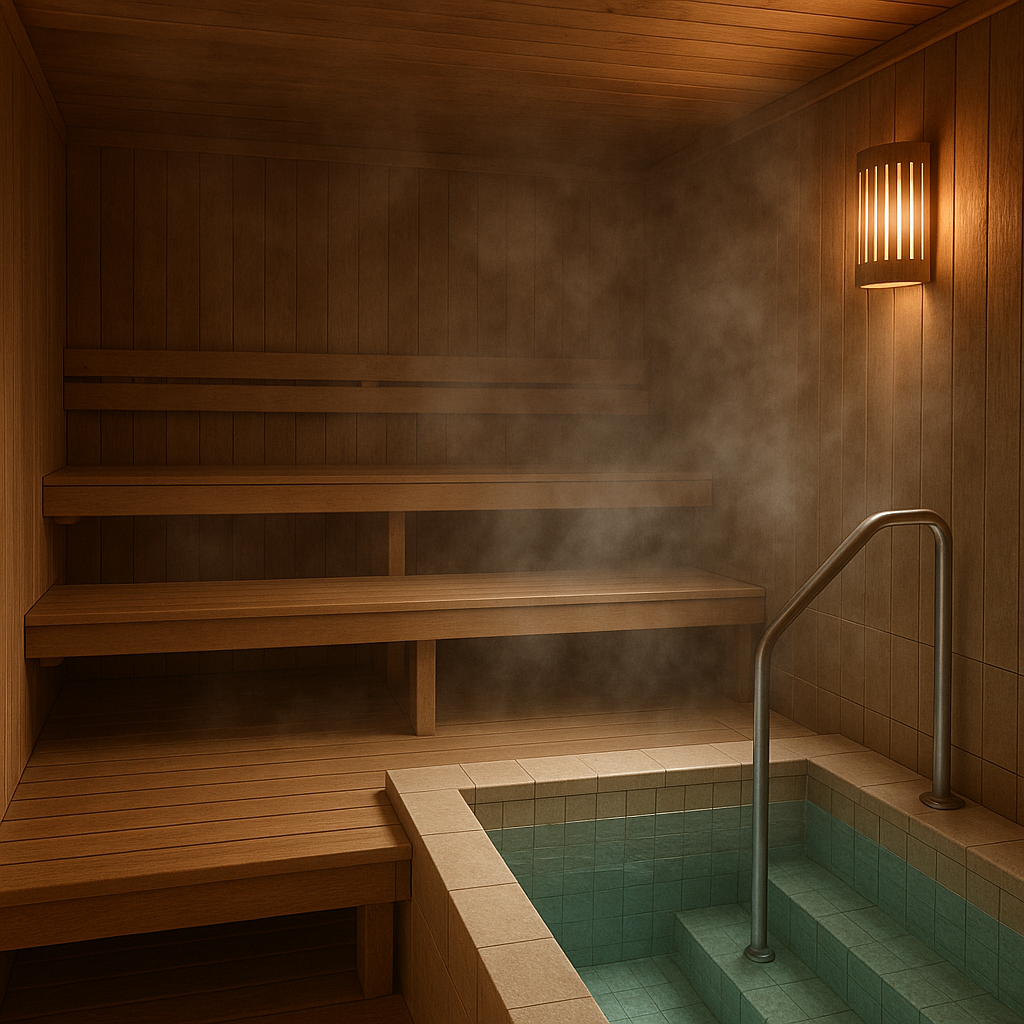
The Science of Heat: Saunas and Their Health Benefits
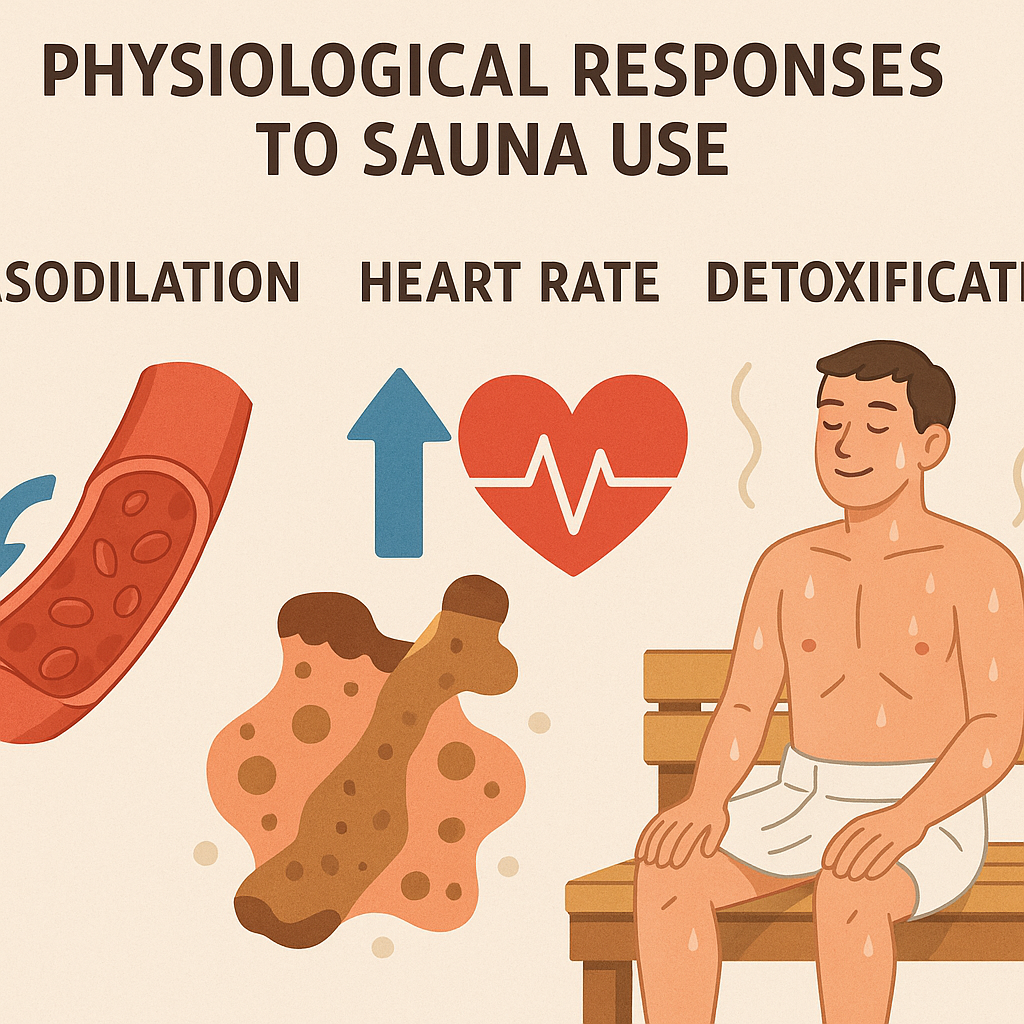
Saunas have been an integral part of many cultures, most notably in Finland, for centuries. Today, their popularity continues to rise globally, as research increasingly supports the physiological and psychological benefits of regular sauna use. When exposed to the high temperatures of a traditional or infrared sauna—often ranging from 70°C to 100°C (158°F to 212°F)—the body undergoes various adaptive responses. Among these, vasodilation, increased heart rate, and enhanced sweating facilitate detoxification and cardiovascular conditioning. For example, a study published in JAMA Internal Medicine found that frequent sauna bathing was associated with a reduced risk of cardiovascular disease and all-cause mortality, with those visiting a sauna 4–7 times a week experiencing the greatest benefits [1].
In addition to cardiovascular improvements, sauna use may also foster relaxation and stress reduction, partially by decreasing circulating levels of cortisol, the body's main stress hormone. Many users report an enhanced sense of well-being and improved sleep following sauna sessions, though the mechanisms remain an active area of research. Further, athletes often utilize saunas post-exercise to promote muscle relaxation, which may help alleviate delayed onset muscle soreness (DOMS). While more studies are needed to clarify these effects in diverse populations, current evidence points to saunas as a valuable tool for holistic recovery. Importantly, anyone considering sauna use should consult a healthcare professional, especially if they have underlying health conditions.
Types of Saunas: Traditional vs. Infrared
Traditional saunas heat the air, which then heats the body, while infrared saunas use light to directly warm body tissues at lower ambient temperatures. Both forms have demonstrated potential benefits, but they may appeal to different user preferences and tolerance levels. Some research suggests that infrared saunas may be gentler for individuals sensitive to high heat, while still offering cardiovascular and muscular relaxation benefits. Ultimately, the choice often comes down to personal comfort, health status, and specific wellness goals.
The Power of Cold: Cold Plunges and Cryotherapy
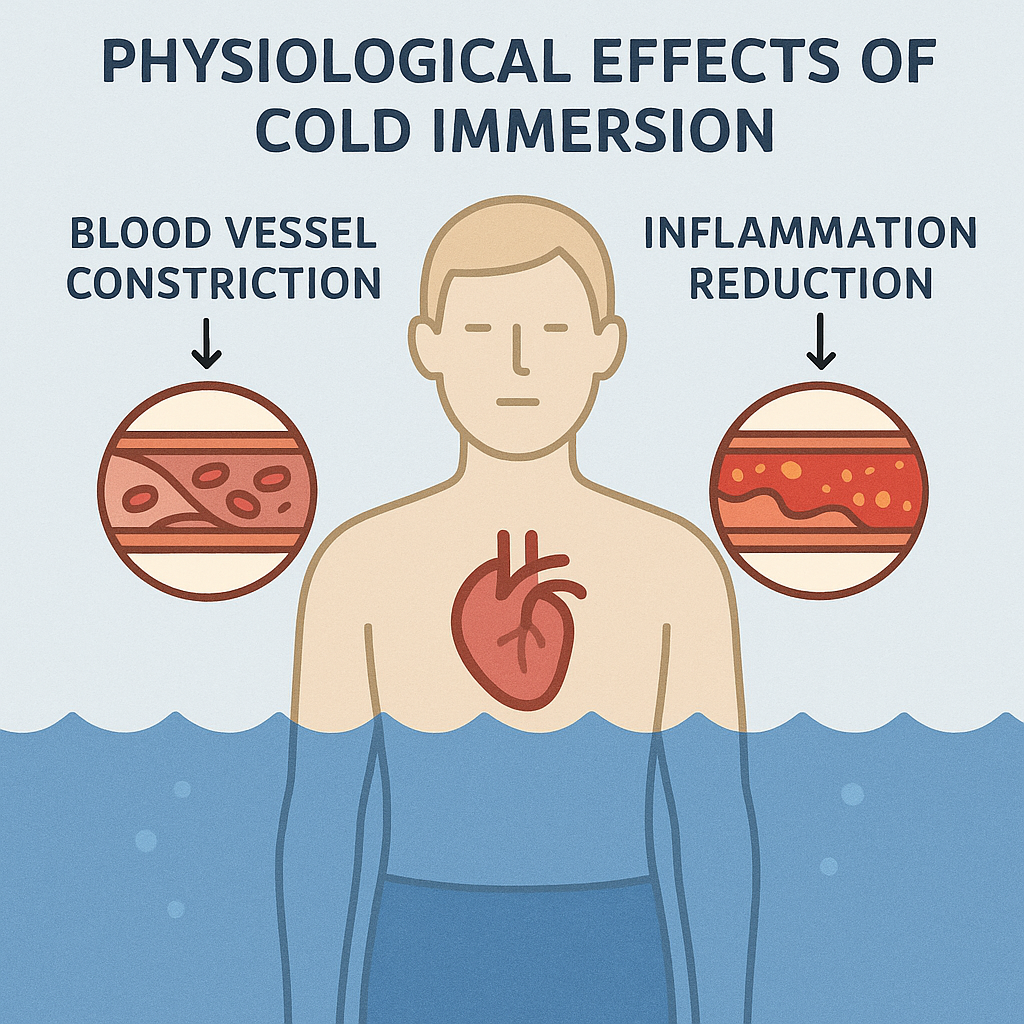
Cold plunges and cryotherapy have gained attention as powerful recovery methods for athletes and wellness enthusiasts alike. Immersing the body in cold water, typically at temperatures between 10°C and 15°C (50°F to 59°F), or subjecting the body to extremely low temperatures via whole-body cryotherapy chambers, stimulates a series of physiological responses. The constriction of blood vessels, reduction in inflammation, and the subsequent 'rebound' increase in circulation upon rewarming are key effects that may support muscle recovery after intense activity [2].
Research supports that cold immersion may reduce muscle soreness and speed recovery, making it popular post-workout. However, some recent findings indicate that excessive or overly frequent use could blunt the adaptive gains from training, particularly for strength athletes. Thus, moderation and timing are essential. Beyond sports, cold plunges are also reported to boost mood and mental clarity, likely due to the release of endorphins and norepinephrine during cold exposure. While generally safe for healthy individuals, people with certain cardiovascular or circulatory conditions should consult a medical professional before starting a cold plunge regimen.
Protocols and Practical Considerations
Effective cold plunge protocols often involve 2–5 minutes of immersion, repeated two to three times per week, though optimal frequency and duration may vary by individual goals and tolerance. Combining cold exposure with mindfulness or breathwork practices can enhance both the physical and psychological benefits, making the experience more accessible to beginners.
Alternating Heat and Cold: Contrast Therapy Explained
Contrast therapy, the practice of alternating between hot and cold environments, leverages the distinct benefits of each to create a dynamic recovery stimulus. Commonly used in sports medicine and physiotherapy, contrast therapy typically involves switching between a sauna or hot bath and a cold plunge or ice bath, often in cycles of 1–5 minutes per modality. The rapid change in temperature is thought to accelerate circulation, reduce swelling, and aid in the removal of metabolic waste products [3].
While some studies support the efficacy of contrast therapy for reducing post-exercise muscle soreness and improving recovery time, the evidence remains mixed and highly individualized. Some users report improved flexibility and reduced perceived fatigue, while others may not experience significant changes. Factors such as personal preference, specific injury or recovery goals, and overall health status should guide the choice to implement contrast therapy. As with other advanced methods, professional guidance can help tailor protocols for safety and efficacy.
Best Practices and Safety
For optimal results, it is recommended to start with heat, transition to cold, and repeat the cycle 2–3 times, ending with cold for an invigorating finish. Attention to hydration and gradual acclimatization are crucial, particularly for newcomers or those with underlying health concerns.
Advanced Recovery Modalities: Beyond Heat and Cold
While saunas and cold plunges are among the most accessible recovery tools, a range of advanced modalities has emerged, offering complementary benefits. Techniques such as compression therapy, percussive massage, red light therapy, and electrical muscle stimulation (EMS) are now widely available to both athletes and wellness-focused individuals. For instance, compression boots help promote venous return and reduce lower limb swelling, while percussive massage devices may target muscle knots and facilitate faster relaxation [4].
Red light therapy utilizes specific wavelengths to promote cellular repair, reduce inflammation, and potentially accelerate muscle recovery. EMS devices, on the other hand, deliver gentle electrical impulses that stimulate muscle contractions, which may support circulation and reduce soreness. While the clinical evidence for some of these methods is still emerging, many users find them valuable when used alongside heat and cold therapies. It is important, however, to approach these modalities as supportive rather than stand-alone solutions, and to remain informed about their limitations and safety guidelines.
Personalization and Integration
Tailoring advanced recovery methods to individual needs—whether athletic, rehabilitative, or general wellness—can enhance outcomes. Consulting with qualified professionals and considering factors such as frequency, duration, and existing health conditions ensures a safe and effective recovery strategy.
Building a Sustainable Recovery Routine
Establishing a sustainable recovery routine involves understanding one’s unique body, goals, and lifestyle. Integrating saunas, cold plunges, and advanced modalities can form a comprehensive approach, but consistency, moderation, and self-awareness are key. For example, incorporating sauna sessions 2–4 times per week, cold exposure post-intensive workouts, and occasional use of compression or red light therapy can offer balanced benefits without overtaxing the system [5].
Importantly, rest, nutrition, hydration, and adequate sleep remain the foundational pillars of effective recovery. Advanced methods are best used as adjuncts to, not replacements for, these basics. Keeping a recovery journal, listening to bodily cues, and adjusting protocols in response to progress or setbacks can promote long-term adherence and optimal results. For those new to these techniques, starting slowly and seeking expert guidance is advised.
Overcoming Barriers and Staying Motivated
Common obstacles include lack of time, access, or perceived discomfort. Addressing these challenges through habit-stacking, social support, and education can empower individuals to stay engaged and make recovery an enjoyable part of their wellness journey.
Inclusivity, Safety, and the Future of Recovery
As interest in recovery modalities grows, it is essential to prioritize inclusivity, accessibility, and safety for all individuals. This means designing facilities and programs that accommodate different ages, abilities, and backgrounds, and fostering a culture that emphasizes listening to one’s own body and respecting individual variability. While future research may further illuminate the mechanisms and best practices of heat and cold therapies, it is prudent to approach new trends with a balanced perspective, considering both evidence and personal experience [6].
The integration of digital tools—such as recovery tracking apps—and ongoing collaboration between healthcare providers, trainers, and users are poised to make recovery practices more personalized and data-informed. As scientific understanding advances, new protocols and modalities may emerge, but the core principle will remain: Recovery is most effective when approached holistically, ethically, and inclusively. Readers are encouraged to explore these methods responsibly and to seek professional advice tailored to their specific needs.
