Understanding the plate lunch
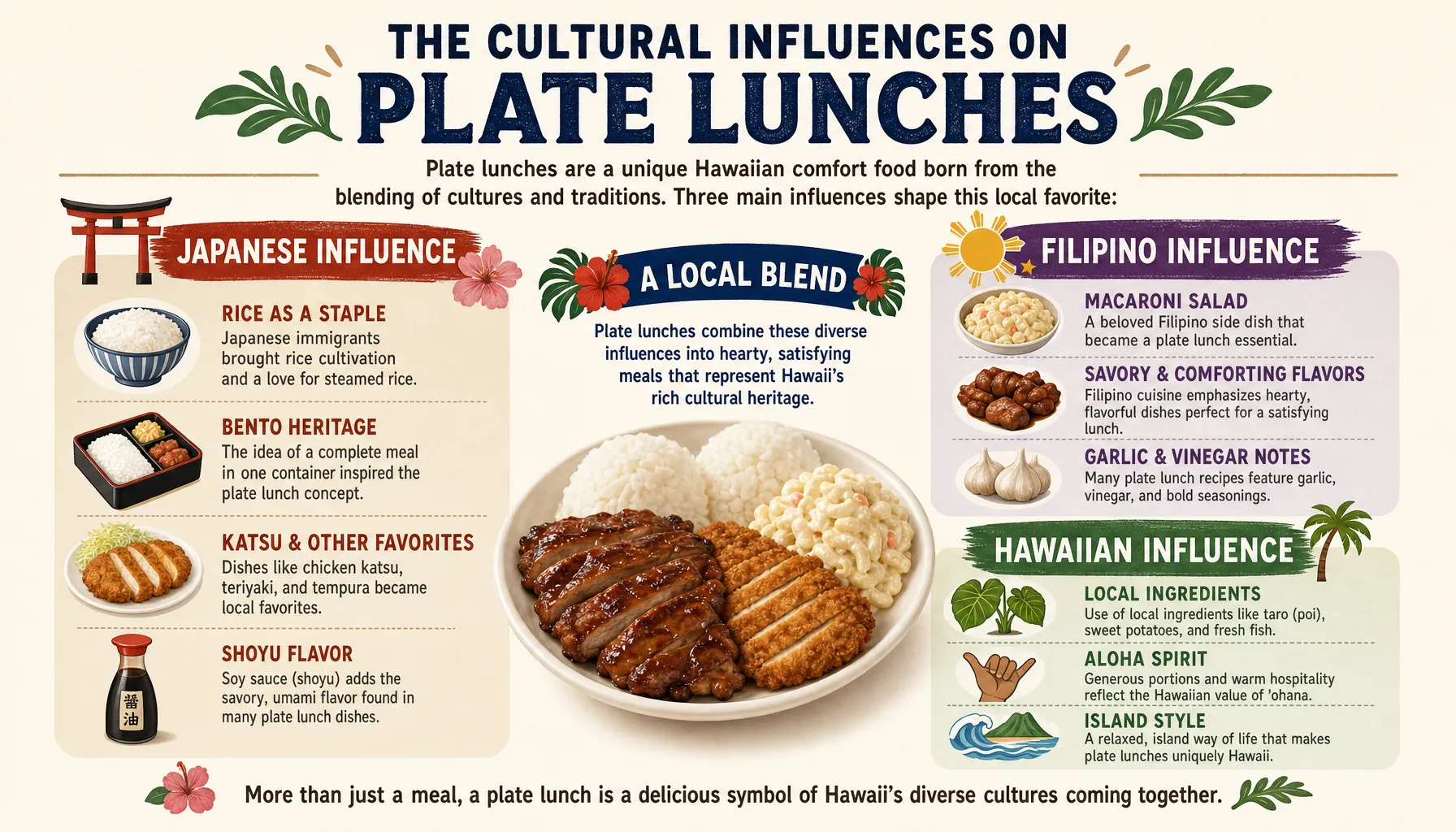
The plate lunch is part of Hawaii’s multicultural food history. University of Hawaii reporting connects today’s plate lunches to field lunches carried by Japanese, Chinese, Filipino, Korean, and other immigrant plantation laborers. That history is a useful reason to approach the meal with curiosity instead of treating it as a novelty.
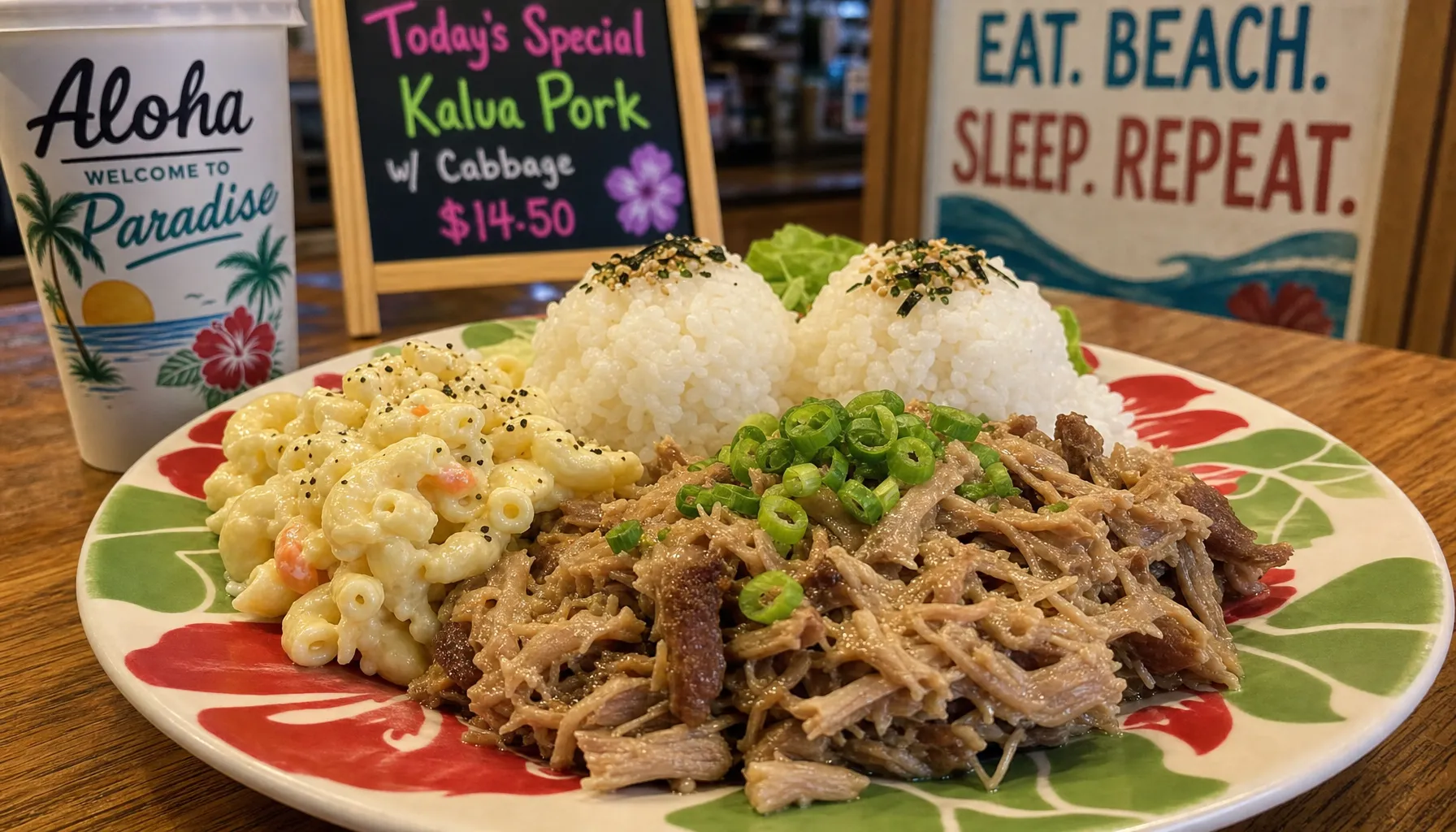
A plate lunch commonly brings rice, macaroni salad, and a main dish together on one plate. Recipes and portions vary from place to place, so the best tasting day leaves room for each restaurant to present its own version.
Choose a small route
Pick one neighborhood before choosing restaurants. Then select two possible stops and one backup. This is a planning method, not a claim that every stop will be open or available. Check each restaurant’s current official page or call on the day of the visit. Confirm hours, location, payment options, accessibility needs, and whether takeout or dine-in service is available.
Keep the route short enough that a change does not ruin the day. If the first restaurant is busy, decide whether to wait, use the backup, or return another time. A tasting day should adapt to the businesses serving you, not require a small restaurant to match a rigid itinerary.
Order at an easy pace
For a group, decide before reaching the counter whether you plan to share. Ask the restaurant what portion options are actually available. Do not assume half portions, substitutions, or special packaging are offered. Place a clear order, step aside when asked, and give the kitchen time to prepare it.
For a solo visit, one plate may be enough for a full stop. You can save another restaurant for a later day. The point is to notice the food and the place, not to collect the largest possible number of stops.
Use current information
Restaurant details change. A blog post or social post can help you discover a place, but it should not be the final source for today’s hours, menu, parking, or payment information. Use the restaurant’s own current channel when possible. If the information is unclear, call politely or choose a backup with confirmed details.
Avoid promising your group a specific dish until the restaurant confirms it is available. A sold-out item is a reason to choose something else, not evidence that the day failed.
Be a considerate guest
Follow posted rules and staff directions. Ask before photographing people, counters, or work areas. Keep walkways and pickup areas clear. If the restaurant asks guests to bus tables or sort waste, follow the posted instructions. If no instruction is posted, ask rather than guessing.
Patience matters more than performing familiarity. Use the language that comes naturally, listen carefully, and thank the staff without turning the interaction into a lesson about local culture.
A practical checklist
Before leaving, confirm the current details for two stops and one backup. Share dietary or mobility needs with the group. Bring only what the confirmed plan requires. Leave extra time between stops. At each restaurant, read the posted information, order clearly, and adjust if the business is busy or an item is unavailable.
After the day, recommend a restaurant only on the basis of what you actually experienced. Include the date of your visit when sharing time-sensitive details, and point readers back to the restaurant for current information.
The best result is not a race through Oahu. It is a manageable day that respects each restaurant’s time, lets diners pay attention to the food, and remains flexible from beginning to end.