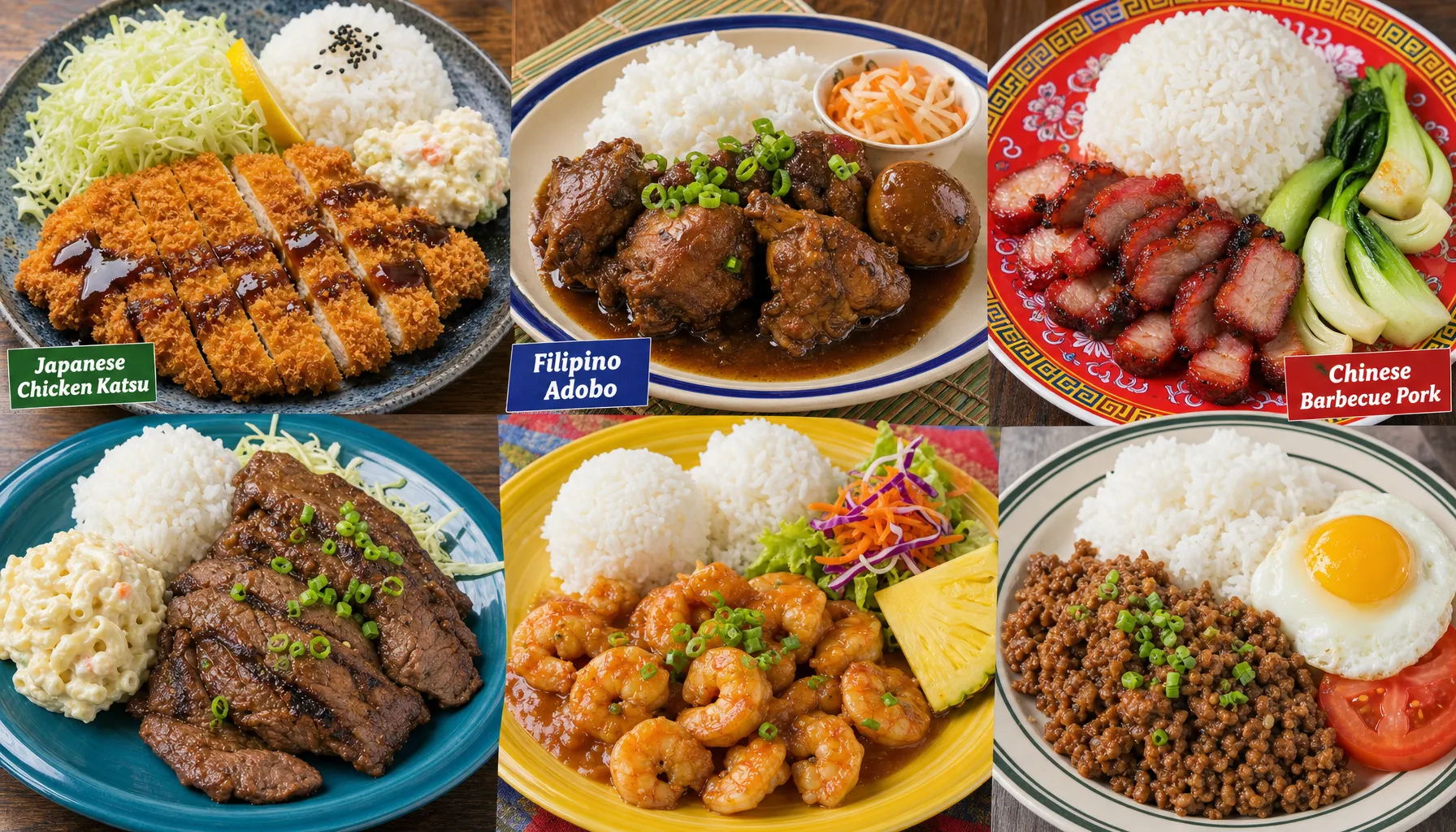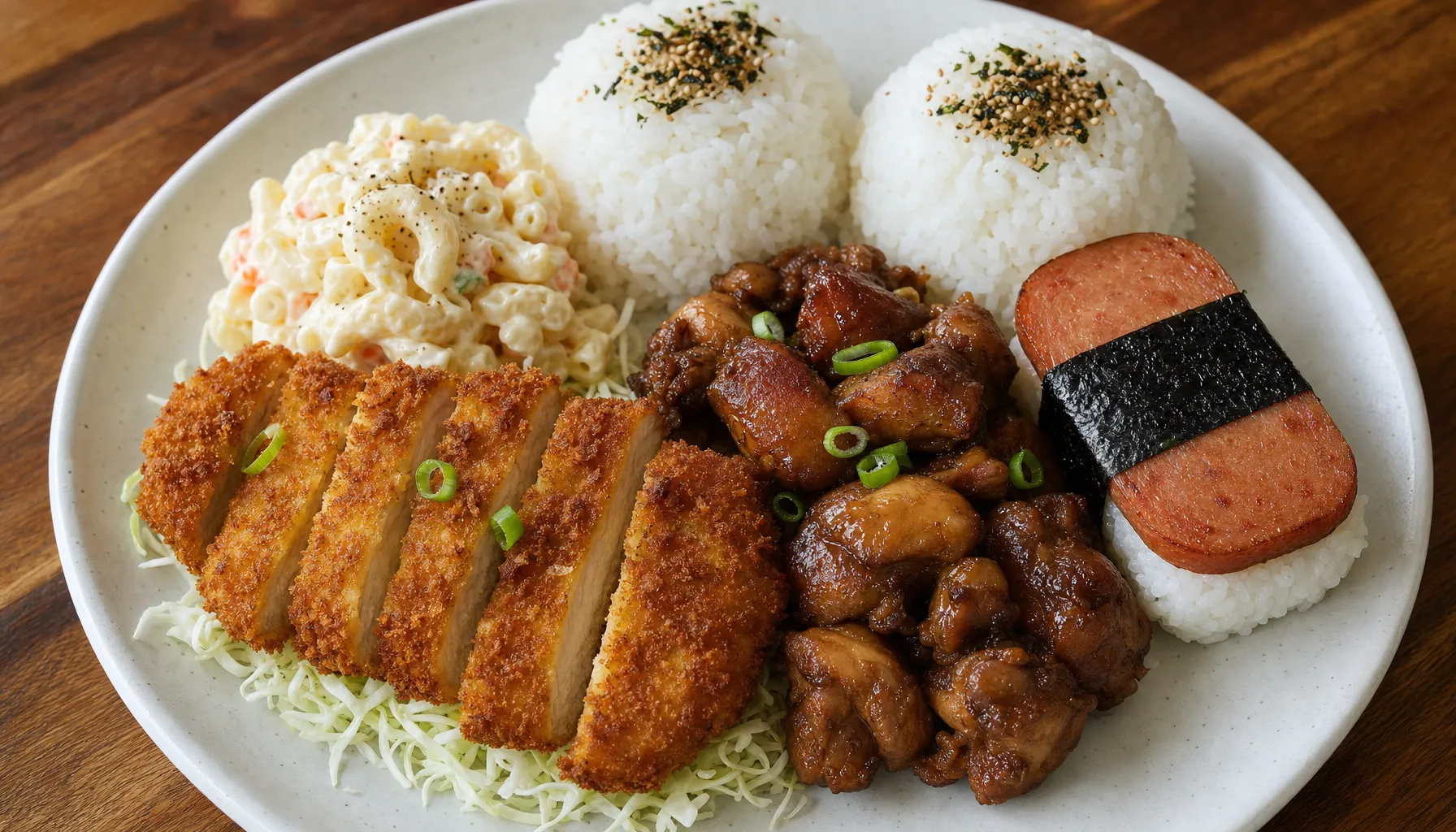
The origins of the plate lunch are deeply embedded in Hawaii’s plantation era of the late 19th and early 20th centuries. During this period, workers from Japan, China, the Philippines, Portugal, and other regions toiled together in sugar and pineapple fields. To sustain themselves through long workdays, these laborers brought their own midday meals, often consisting of rice, pickled vegetables, and leftover proteins, packed into metal tins. Over time, as workers shared lunches and cultural traditions, a new, distinctly local form of communal eating began to take shape, blending flavors and techniques from each group’s heritage. This multicultural spirit laid the foundation for what would become the plate lunch, a symbol of Hawaii’s unique cultural mosaic and its inclusive approach to food.
The plate lunch was both practical and adaptable, designed to meet the caloric needs of laborers in a way that was affordable and filling. Vendors known as "lunch wagons" began selling ready-made meals directly to the fields, and their menus mirrored the eclectic tastes of their customers: teriyaki beef from Japanese influences, adobo chicken from Filipino tradition, and chow mein from Chinese culinary practices. Rice became the universal base, and macaroni salad was eventually added for its affordability and shelf stability, further shaping the identity of this beloved meal [1].
As Hawaii progressed beyond the plantation era, the plate lunch evolved from informal fieldside meals to a staple of local lunch counters and drive-ins. By the mid-20th century, lunch wagons became a fixture in Hawaiian towns, offering affordable, ready-to-eat meals for a growing urban workforce. These mobile vendors were the direct ancestors of today’s ubiquitous plate lunch spots, which now serve generous portions from casual storefronts, cafeterias, and even high-end restaurants. The essence of the plate lunch—two scoops of rice, a hearty protein, and a scoop of creamy macaroni salad—remained consistent, reflecting its practical roots while embracing the changing tastes of island residents [2].
Technological advances and changes in food service further influenced the plate lunch’s format. Disposable foam clamshell containers replaced metal lunch tins, enabling faster service and takeout convenience, along with environmental considerations that continue to evolve. Today, the sight of a foam box brimming with colorful local specialties instantly evokes a sense of place and nostalgia for many Hawaiians. The portability and comfort of the plate lunch have helped it maintain relevance, adapting to new dietary trends while retaining its connection to Hawaii’s working-class heritage.
The plate lunch stands out for its celebration of Hawaii’s cultural diversity. Core components—rice, macaroni salad, and a protein—are canvases for an impressive range of global flavors. Classic protein choices include Japanese-style chicken katsu, Korean kalbi short ribs, Filipino adobo, Chinese barbecue pork, and American favorites like fried chicken and Spam. This blending reflects the islands’ history of migration, as each group’s culinary preferences found a place on local menus. Hawaiian institutions and small businesses alike have contributed to the evolving plate lunch, introducing special sauces, pickles, or fusion side dishes that honor their heritage while appealing to modern tastes [3].
Some plate lunch staples, such as the loco moco—a hamburger patty topped with egg and gravy over rice—have become icons in their own right. Others, like Spam musubi and teriyaki beef, reflect the ongoing innovation and cross-pollination among communities. Today, ordering a mixed plate allows diners to sample several proteins in one meal, reinforcing the sense of sharing and variety that defines local food culture. This culinary inclusiveness has made the plate lunch not just a meal, but a social connector and a point of pride for Hawaii’s multicultural society.
For visitors new to Hawaii, understanding plate lunch etiquette can enrich the experience and demonstrate cultural respect. Most local plate lunch spots are casual and fast-paced, so it’s helpful to review the menu in advance, know your protein choices, and be ready to order when it’s your turn. Commonly, diners will specify the number of rice scoops, the type of salad (sometimes options include tossed or potato salad), and select one or more proteins for a mixed plate. Practicing patience and gratitude, especially during busy lunch hours, is a hallmark of Hawaii’s spirit of aloha.
Many plate lunch restaurants are family-run and take pride in serving community favorites. As at any busy counter-service restaurant, simple courtesy helps: review posted instructions, be patient, dispose of waste properly, and thank staff. Practices around substitutions, tray returns, and shared seating vary by restaurant, so follow the house signs and staff guidance rather than assuming one island-wide rule [4].
- Review the menu before stepping up to order. - Be courteous and patient during busy periods. - Dispose of your trash and thank the staff.
Looking ahead, the plate lunch is poised to remain an integral part of Hawaii’s food scene, though it may continue to evolve in response to changing consumer preferences and sustainability concerns. Some local businesses are experimenting with plant-based proteins and biodegradable containers, reflecting growing environmental awareness. At the same time, the fundamental structure of the plate lunch—simple, filling, and inclusive—retains its universal appeal. The meal’s affordability and adaptability ensure that it can meet the needs of busy workers, families, and adventurous eaters alike.
While tradition plays a strong role in the continued popularity of the plate lunch, new generations of chefs and diners could shape its future by introducing creative fusions and healthier options. Regional specialties, seasonal ingredients, and locally sourced products may become more common, supporting Hawaii’s agricultural sustainability. While it is difficult to predict every trend, the core values of community, sharing, and multiculturalism embodied by the plate lunch will likely remain its most enduring legacy [5].