
Understanding the Digital Housewife: Identity and Labour Online
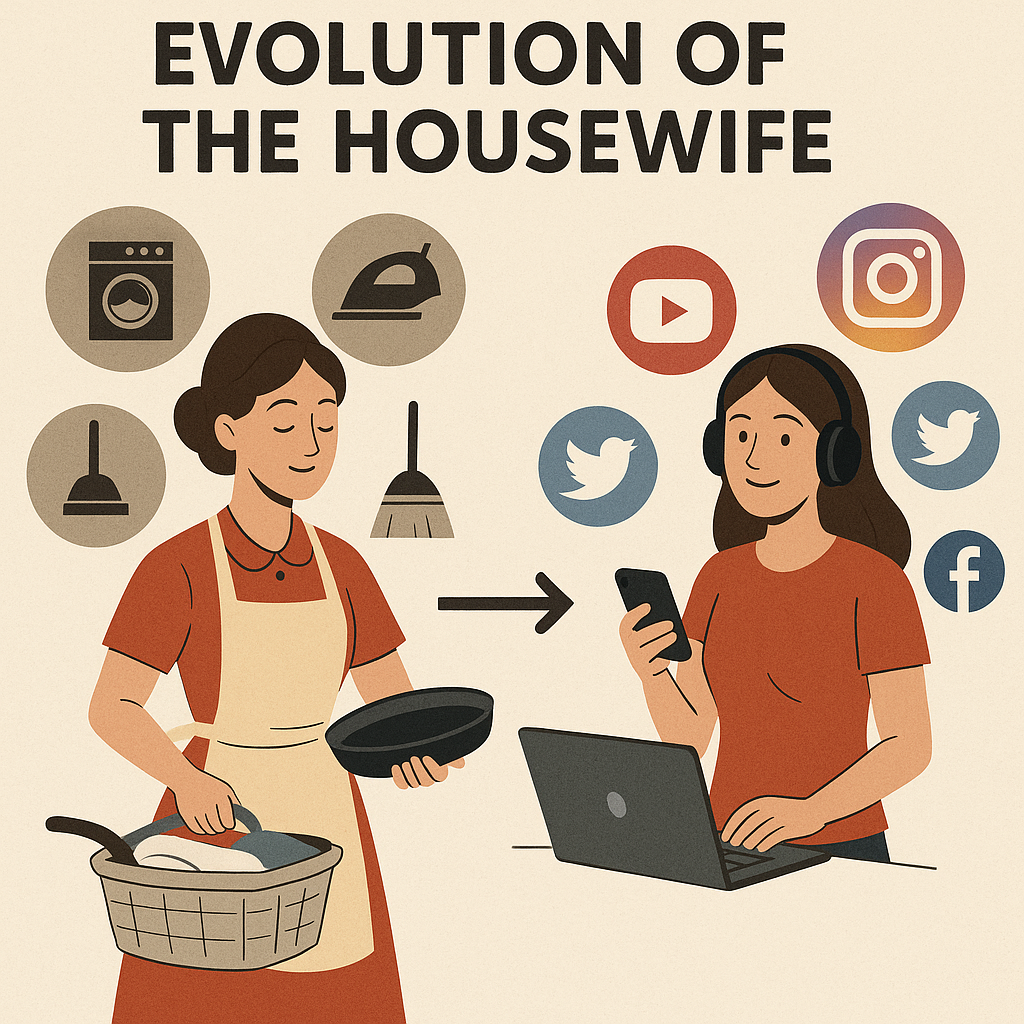
The emergence of the ‘digital housewife’ encapsulates a unique intersection of technology, domesticity, and economic participation. Traditionally, the term 'housewife' has conjured images of unpaid, often invisible labour conducted within the home. In the digital era, however, these boundaries have shifted dramatically. Today’s digital housewife may manage a household while simultaneously running social media accounts, blogs, or online stores that reach global audiences. This convergence of roles requires not only time and skill but also adaptability to rapid technological changes, underscoring the complexity of contemporary digital identities.
The digital housewife identity draws a direct analogy to historic domestic work in terms of undervaluation and invisibility, yet it is shaped by a novel context: the internet’s potential for visibility, income generation, and influence. Many digital housewives use platforms such as Instagram, YouTube, and TikTok to share everyday routines, homemaking tips, parenting stories, and more. These activities can transform personal experience into digital content, opening new avenues for creative expression and financial independence. Still, the line between sharing and commodifying personal life remains blurred, often leading to internal and societal debates about authenticity and self-worth.
Furthermore, the digital housewife is not a monolithic figure. This identity intersects with variables such as socioeconomic status, race, cultural background, and access to technology, creating a rich tapestry of experiences. For some, digital engagement offers a means of empowerment and economic agency; for others, it may replicate or even exacerbate traditional expectations and pressures. Understanding the diversity within this identity is crucial for building inclusive and supportive digital communities.
A digital housewife balancing online content creation with traditional homemaking tasks.
Section summary: The digital housewife identity bridges traditional domestic labour and modern online agency, revealing new complexities in value and visibility.
Contradictions of Agency: Monetization, Influence, and Exploitation
As digital housewives navigate online spaces, they frequently encounter the paradox of empowerment versus exploitation. On one hand, social media and content platforms can enable housewives to monetize skills, foster influence, and establish independent brands. Success stories abound of individuals who have turned everyday homemaking into lucrative careers, often gaining sponsorship deals or selling products to engaged audiences. Monetization thus represents a path to economic agency and recognition—two attributes historically denied to domestic labourers.
Yet, this newfound visibility comes with unique contradictions. The pressures to maintain a curated online persona, continually generate content, and meet platform algorithms can reinforce traditional gendered stereotypes, such as the expectation for women to be perpetually nurturing, aesthetically pleasing, and self-sacrificing. Moreover, the commercialization of intimate domestic life raises ethical questions about authenticity, privacy, and the boundaries between work and personal experience. In some cases, the drive for engagement and financial reward may result in burnout or a sense of alienation from one's own life narrative.
Exploitation is also a significant concern. Many platforms profit disproportionately from the unpaid or underpaid content provided by digital housewives, while the individuals themselves often face uncertain incomes and limited job security. Algorithmic changes, brand dependency, and shifting online trends can all undermine the stability of this digital work. Thus, while agency and influence are attainable, they often coexist with persistent structural vulnerabilities.
The financial realities for digital housewives can fluctuate due to algorithm changes and shifting trends.
Section summary: Digital housewives experience both increased agency and persistent risks of exploitation in monetized online spaces.
Reclaiming Meaning: Building Community, Critical Awareness, and Agency
Despite the challenges, many digital housewives are actively reclaiming their digital participation by fostering genuine community, practicing critical reflection, and engaging in transparent conversations about value and choice. Online communities—whether through forums, social networks, or private groups—offer spaces for mutual support, resource sharing, and advocacy. These networks can mitigate the isolation that sometimes accompanies digital labour, providing affirmation and collective power.
Critical awareness is an essential strategy for navigating the digital landscape. By interrogating the power dynamics embedded in platform algorithms, brand partnerships, and content expectations, digital housewives can make more informed decisions about their participation. Some individuals have adopted practices of digital minimalism, self-care, or selective sharing to maintain agency over their narratives. Transparent dialogue—both with audiences and within peer groups—helps to demystify the economics of online work, counteract stigma, and promote ethical collaboration.
Practical initiatives such as peer-mentoring, knowledge exchanges, and advocacy for fair compensation further empower digital housewives. By prioritizing authenticity, well-being, and collective action, these strategies contribute to more sustainable and meaningful digital engagement. As the landscape continues to evolve, such proactive measures may help balance the desire for agency with the realities of digital labour.
Supportive online communities play a key role in helping digital housewives reclaim agency and meaning.
Section summary: Building community and critical awareness enables digital housewives to reclaim agency and create more meaningful online experiences.
The Emotional Landscape: Navigating Empowerment and Vulnerability
The emotional terrain of digital housewife identity is marked by both empowerment and vulnerability. While increased visibility and engagement can be rewarding, they often bring heightened scrutiny, comparison, and self-doubt. Many digital housewives report experiencing 'comparison fatigue'—the psychological stress of measuring their lives against highly curated portrayals online. This emotional labour, often overlooked, is a significant part of the digital housewife experience.
Positive feedback and community support can boost confidence and a sense of purpose, yet negative comments, online harassment, or the pressure to maintain constant engagement can lead to anxiety and burnout. Maintaining boundaries between public and private life is essential but challenging, especially when income or influence depends on personal disclosure. Some housewives have responded by implementing intentional boundaries, such as designating offline times or separating business from personal accounts, to protect mental health and well-being.
It is crucial for digital housewives and their audiences to recognize the emotional complexities inherent in digital labour. Fostering a culture of empathy, respect, and open conversation can help mitigate some of the psychological burdens. By acknowledging both the rewards and the challenges, digital housewives can better navigate the emotional landscape of online participation.
Balancing emotional well-being is a key concern for digital housewives managing their public and private identities.
Section summary: Digital housewives must navigate a complex emotional landscape, balancing empowerment with vulnerability and self-care.
The Role of Technology: Opportunities and Limitations
Technology serves as both enabler and constraint in the evolution of the digital housewife identity. On the one hand, accessible devices, user-friendly platforms, and a global internet audience offer unprecedented opportunities for creative and economic participation. Tools for content creation, analytics, and community management empower digital housewives to reach wider audiences and streamline their work. Innovations such as e-commerce integrations and automated scheduling further enhance productivity and potential earnings.
However, the same technologies can impose limitations. Algorithmic changes may unpredictably affect content visibility and income, while platform policies can restrict certain types of expression or monetization strategies. Digital divides—differences in access to high-speed internet, devices, or digital literacy—continue to shape who can participate fully in these spaces. Issues such as data privacy, cybersecurity, and platform dependency introduce additional layers of risk, requiring digital housewives to remain vigilant and adaptable.
It is important to approach technology with both enthusiasm and critical awareness. While advancements may continue to expand possibilities, digital housewives must continually assess the trade-offs and potential vulnerabilities inherent in new tools and platforms. Embracing ongoing learning and peer support can help individuals maximize benefits and mitigate risks.
Technology both empowers and constrains digital housewives, highlighting the need for adaptability and ongoing learning.
Section summary: Technology offers both new opportunities and ongoing limitations, requiring digital housewives to remain adaptable and informed.
Toward a More Inclusive Digital Future: Policy and Advocacy
Achieving a more equitable digital environment for housewives necessitates collective advocacy and thoughtful policy interventions. Organizations and policymakers can play pivotal roles by ensuring fair compensation, promoting platform transparency, and protecting privacy rights. For instance, calls for clearer guidelines on influencer compensation, intellectual property, and content moderation may improve conditions for digital housewives. Supporting digital literacy initiatives, particularly for marginalized groups, can also help bridge participation gaps and foster more diverse representation online.
At the grassroots level, digital housewives are increasingly organizing for collective bargaining, fair pay, and recognition of their unique contributions. Advocacy efforts, such as campaigns for better algorithmic accountability or anti-harassment measures, demonstrate the growing agency of this group. These initiatives not only seek to address immediate economic concerns but also to challenge structural inequalities and reshape cultural narratives around digital labour and domesticity.
Looking ahead, meaningful progress will likely depend on sustained collaboration between individuals, platforms, and policymakers. While systemic change may be incremental, ongoing advocacy and dialogue are critical for building a digital landscape that values the diverse experiences and contributions of digital housewives.
Advocacy and policy interventions are key to a fairer and more inclusive digital environment for housewives.
Section summary: Policy reforms and collective advocacy can create more equitable and inclusive opportunities for digital housewives.
Conclusion: Navigating Identity with Purpose and Community
In summary, the journey of the digital housewife is marked by complexity, resilience, and transformation. Balancing agency, labour, and meaning in the digital realm demands ongoing reflection, community support, and adaptability. While the challenges—such as exploitation, emotional labour, and technological risks—are significant, so too are the opportunities for empowerment, economic participation, and self-expression.
By building critical awareness, fostering inclusive communities, and advocating for systemic change, digital housewives can continue to navigate these evolving landscapes with purpose. The paradox of empowerment versus exploitation remains, but through solidarity and strategic action, it is possible to redefine digital housewife identity on more equitable and meaningful terms. For readers, engaging with this topic invites a deeper appreciation of the invisible and visible labours shaping our digital world, and the possibilities for collective progress.
If you or someone you know is navigating a similar digital journey, consider connecting with supportive online networks, advocating for fair practices, and contributing to ongoing conversations about digital labour and identity. Together, we can help foster a more inclusive and sustainable online future.
Digital housewives build identity and purpose by fostering supportive online communities and advocating for change.
