Strange Currents: Why Boaters Are Drawn to the Unexplained
Throughout history, the open sea has inspired awe and uncertainty in those who navigate its vastness. Boaters, sailors, and maritime adventurers have long recounted tales of mysterious disappearances, ghostly apparitions, and unexplained phenomena lurking just beyond the horizon. From the legendary Flying Dutchman to the enigma of the Bermuda Triangle, nautical folklore is rich with stories that straddle the boundary between reality and the supernatural. Such narratives are not merely relics of the past; even in the digital age, reports of eerie experiences and conspiracy theories remain common within the boating community.
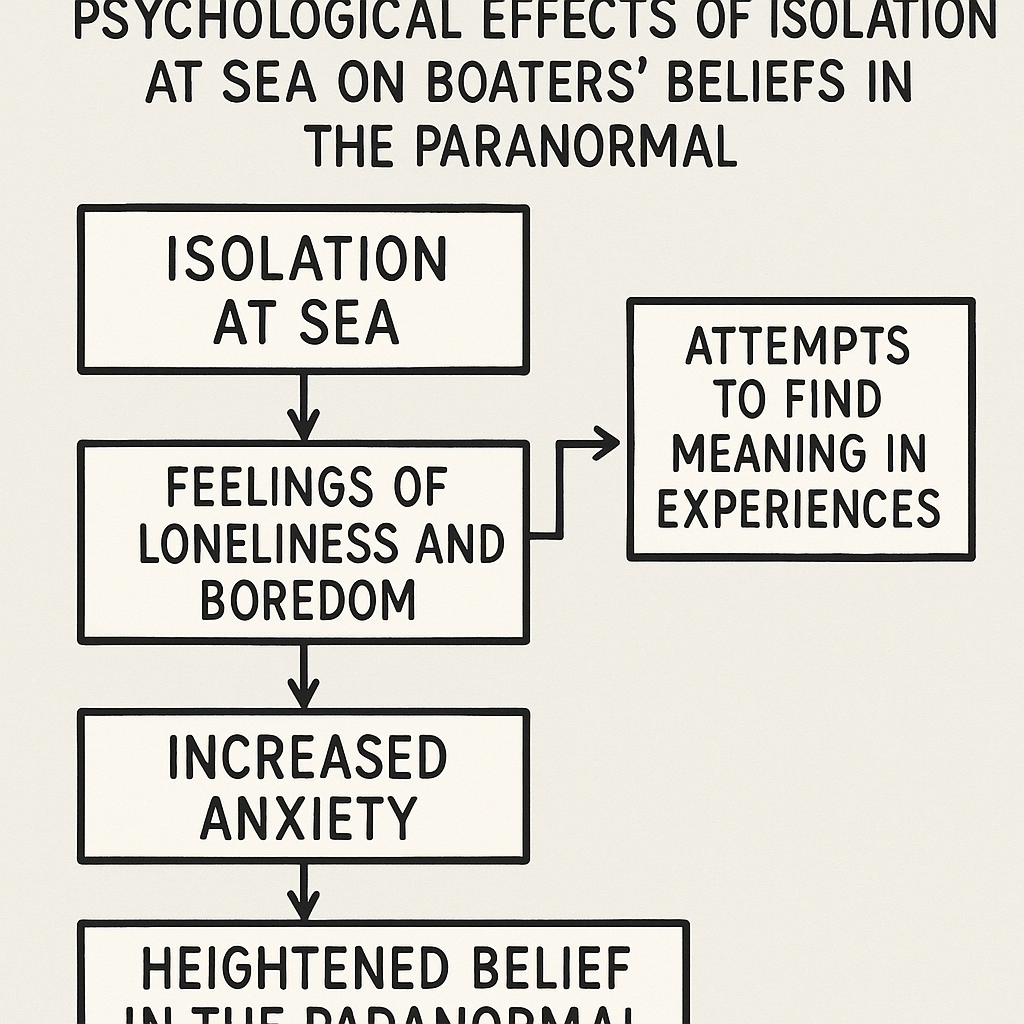
These enduring mysteries often reflect the unique psychological environment at sea. Isolated from land and confronted by unpredictable forces of nature, boaters face situations where conventional explanations sometimes seem inadequate. In this environment, the unexplained can take on a heightened significance. For many, recounting paranormal encounters or discussing conspiracy theories offers both entertainment and a way to make sense of the sea's many uncertainties. Modern boating forums and radio chatter reveal that fascination with the unknown remains a vibrant part of maritime culture.
Yet, these stories are not just entertainment—they also function as cautionary tales or ways to bond with fellow mariners. Sharing an uncanny encounter with a strange current or unexplained light on the water can foster a sense of camaraderie and shared vigilance. As such, the unexplained is woven into both the culture and safety ethos of boating, illustrating why these beliefs continue to flourish.
Pattern Perception at Sea: The Psychology Behind Boater Belief
The human brain is wired to seek patterns and explanations, especially in ambiguous situations—a trait known as pattern perception. At sea, where sensory cues may be limited and unpredictable phenomena frequent, this psychological drive can be especially pronounced. Cognitive scientists suggest that heightened pattern recognition, paired with exposure to environmental uncertainty, increases susceptibility to paranormal and conspiracy beliefs [1].
For example, visual illusions caused by fog, refraction, or unusual weather can easily be misinterpreted as supernatural occurrences. Similarly, unexplained mechanical failures or navigational anomalies may be attributed to hidden causes or malevolent forces when more mundane explanations are unavailable or unsatisfying. Studies show that belief in paranormal or conspiratorial explanations is more prevalent in contexts where individuals feel a lack of control or face heightened risk [2].
It is important to recognize that these tendencies are universal and not confined to any particular group. While such beliefs can enrich storytelling and cultural connection among boaters, awareness of cognitive biases may also help individuals approach mysterious events with a balanced perspective. This duality—the comfort of explanation and the allure of the unknown—lies at the heart of why these beliefs persist at sea.
From Tall Tales to Viral Waves: How Theories Spread Among Boaters
The spread of paranormal and conspiracy theories among boaters is shaped by both traditional and digital modes of communication. Historically, oral storytelling was the primary vehicle for sharing legends, with tales passed down from seasoned sailors to novices during long voyages. These narratives often evolved over time, accumulating embellishments and adapting to new circumstances. In contemporary boating culture, radio communications and dockside conversations still play a role in the circulation of such stories.
However, the rise of digital communities has transformed how information spreads among boaters. Online forums, social media groups, and boating blogs enable rapid dissemination of personal experiences, speculative theories, and reinterpretations of classic legends. Viral posts about strange encounters or mysterious disappearances can quickly gain traction, influencing community norms and shaping the collective imagination. Research on digital rumor transmission highlights how emotionally charged or suspenseful content is especially likely to be shared and amplified in online boating spaces [3].
Despite the potential for misinformation, these digital interactions can also foster critical discussion and fact-checking. Some online communities encourage members to investigate and debunk unsubstantiated claims, promoting a culture of healthy skepticism. Nonetheless, the dynamic interplay of storytelling, social reinforcement, and new media ensures that paranormal and conspiracy theories remain a lively facet of boating culture.
Legendary Hotspots: Notorious Sites of Maritime Mystery
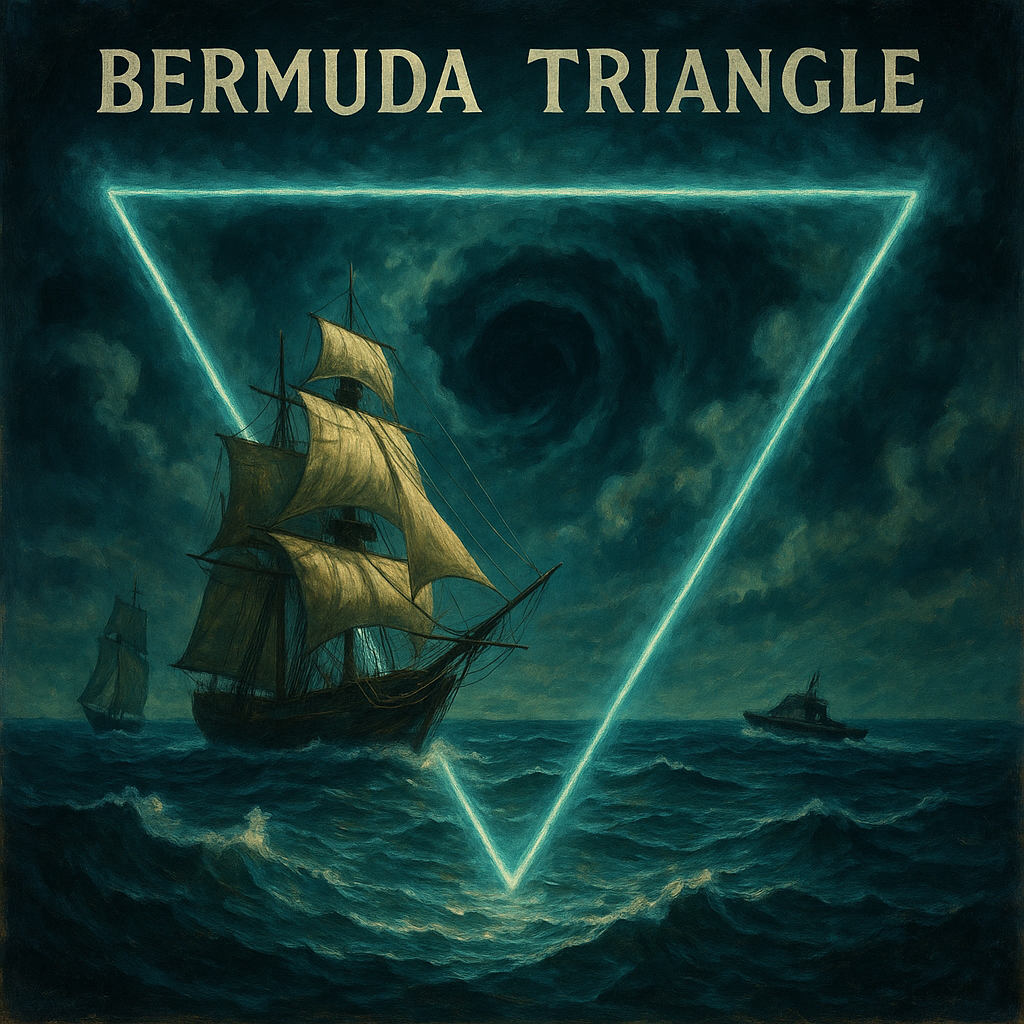
Certain geographic locations have achieved legendary status within boating communities for their association with paranormal events and conspiracy theories. The Bermuda Triangle is perhaps the most famous of these, with countless stories of missing ships and aircraft sparking both public intrigue and scientific investigation [4]. Other hotspots include the Devil’s Sea near Japan, the Mary Celeste’s last known route, and the Sargasso Sea, each carrying its own set of mysteries and speculation.
Local boating communities often develop their own legends tied to specific landmarks, such as lighthouses, reefs, or abandoned vessels. These sites become focal points for storytelling and, sometimes, for cautionary navigation. Reports of ghost ships, unexplained lights, or instruments failing in certain areas contribute to a patchwork of localized maritime myths. These legends are reinforced by repeated retellings and, in some cases, by unexplained events that resist easy explanation.
While scientific investigations have debunked many aspects of these myths, their persistence highlights how physical places serve as anchors for collective imagination. The continued fascination with these locations underscores the interplay between geography, history, and the enduring allure of the unknown in boating culture.
Community, Culture, and the Transformation of Boating Myths
Community plays a vital role in the evolution and transmission of paranormal and conspiracy theories among boaters. Boating clubs, marinas, and informal social networks provide settings where stories are exchanged, debated, and transformed. Cultural context shapes which legends gain prominence and how they are interpreted. For instance, a ghost ship sighting may be regarded with skepticism in one group, while embraced as a meaningful warning in another.
Intergenerational storytelling ensures that classic myths remain relevant, even as new interpretations emerge. Media, both traditional and digital, further amplifies and diversifies the repertoire of maritime mysteries. Importantly, community discourse often balances entertainment value with practical concerns, such as safety protocols and situational awareness. In some cases, legends are used as mnemonic devices to convey navigational hazards or to reinforce rules of conduct at sea.
As boating communities become more interconnected globally, there is an increased blending of regional legends and a greater diversity of perspectives. This cultural dynamism ensures that the world of maritime mysteries remains both rooted in tradition and open to innovation, reflecting broader societal shifts while maintaining its distinctive character.
Critical Perspectives: Navigating Skepticism and Belief at Sea
While paranormal and conspiracy theories are embedded in boating culture, a spectrum of attitudes toward such beliefs exists. Some boaters approach these stories with playful skepticism, viewing them as part of the lore rather than literal truth. Others may embrace particular legends more seriously, integrating them into their personal worldviews or decision-making processes. This diversity reflects broader societal debates about the nature of evidence, expertise, and the boundaries of rational explanation [5].
Educational initiatives within boating organizations often aim to equip members with tools for critical thinking and evidence-based decision-making. Safety seminars, for instance, may address common myths and encourage participants to scrutinize unusual phenomena with a scientific mindset. At the same time, the enjoyment and sense of community that stories bring are widely acknowledged and respected.
For general readers and boating enthusiasts alike, appreciating both the imaginative and critical dimensions of maritime mysteries can foster a more inclusive and nuanced understanding of boating culture. Encouraging open dialogue, while respecting differing perspectives, helps maintain the richness of this tradition while supporting safe and informed navigation.
Looking Forward: The Future of Paranormal and Conspiracy Narratives in Boating
As technology continues to advance, the landscape of paranormal and conspiracy narratives in the boating world may evolve in new directions. Enhanced navigation systems, satellite communication, and real-time data sharing could reduce the occurrence of mysterious incidents by providing more reliable information. However, history suggests that as old mysteries fade, new ones often arise—sometimes sparked by emerging technologies or changing environmental conditions.
Social media and global connectivity may amplify the reach and speed of mythmaking, allowing local legends to gain international attention overnight. At the same time, these platforms enable greater collaboration in investigating and debunking unusual claims. The balance between skepticism and belief, entertainment and information, will likely continue to shape how boaters engage with the unexplained. Readers are invited to consider how their own interactions—whether as storytellers, listeners, or investigators—contribute to this evolving tradition.
Ultimately, the persistence of paranormal and conspiracy theories among boaters reflects deep-rooted aspects of human psychology, culture, and the enduring mystery of the sea. While future trends may shift the form and content of these narratives, the allure of the unknown is likely to remain a defining element of the boating experience.
