Back to Basics: What Are Retro Workouts?
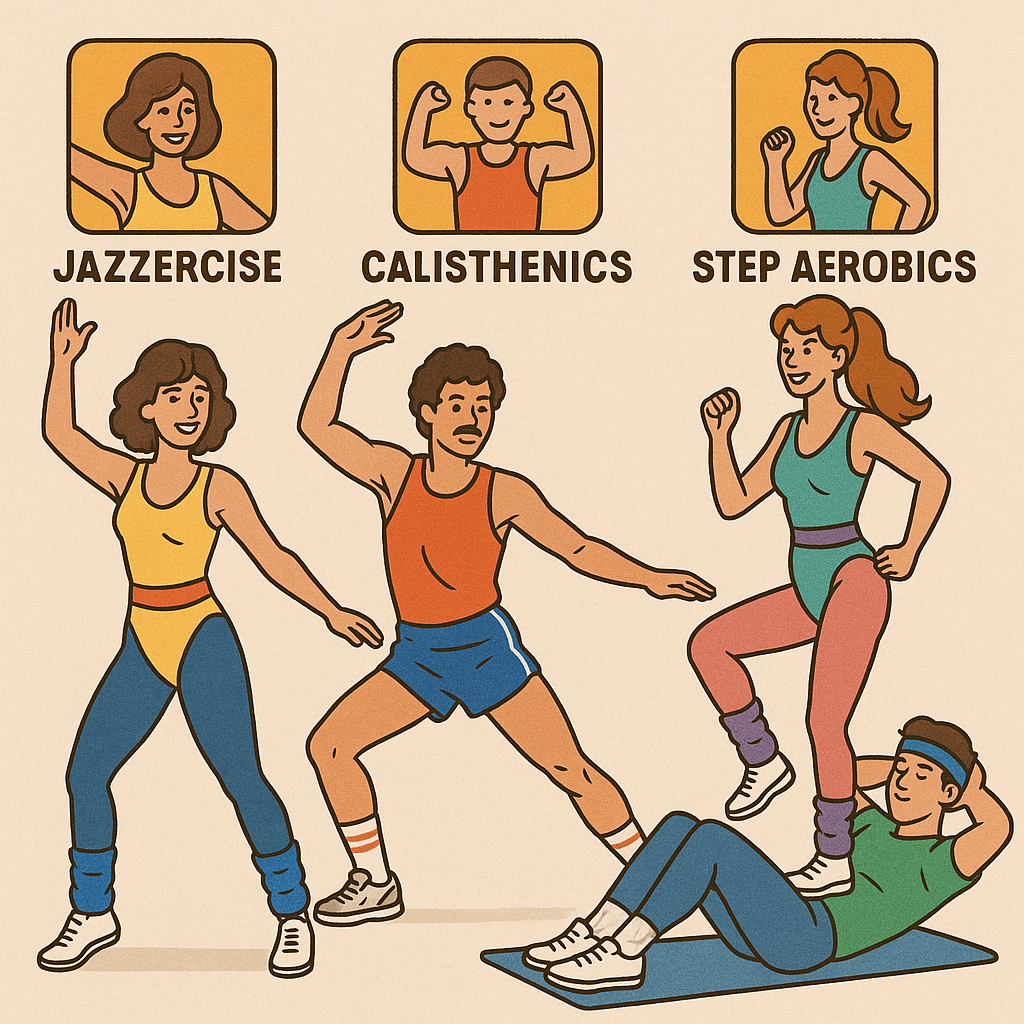
Retro workouts, often referred to as old-school fitness routines, are exercise programs that originated in previous decades and have become popular again. These include iconic formats such as Jazzercise, step aerobics, calisthenics, Tae Bo, and classic weightlifting circuits. Unlike modern boutique fitness studios that often focus on specialized equipment or digital interfaces, retro workouts emphasize bodyweight movements, high-energy music, and group participation. The resurgence of these routines among teens is evidenced by viral videos and trending hashtags on social media platforms like TikTok, where the #80sWorkout and #RetroFitness tags have garnered millions of views.[1]
What makes these workouts appealing is their simplicity and accessibility. With minimal equipment requirements, teens can easily replicate routines at home or in community spaces. For example, calisthenics—featuring exercises such as push-ups, pull-ups, and jumping jacks—requires nothing more than body weight and determination. Additionally, the nostalgic aspect, with upbeat music from the '70s, '80s, or '90s, adds a fun, energetic atmosphere that distinguishes retro workouts from many contemporary fitness trends. This combination of inclusivity, accessibility, and enjoyment has enabled old-school fitness routines to resonate powerfully with the younger generation.
Surprisingly, a 2023 Pew Research Center survey found that nearly 30% of teens have tried at least one retro-style group workout, highlighting a notable shift in youth fitness preferences.[2] This data suggests that old-school workouts are more than just a fleeting trend, but a movement with broad appeal. Whether through online challenges or community-driven classes, retro workouts provide a refreshing change from solitary exercise and high-tech gyms. As teens continue to seek ways to stay active and connect socially, these vintage routines offer a compelling, joyful alternative that’s easy to join and hard to resist.
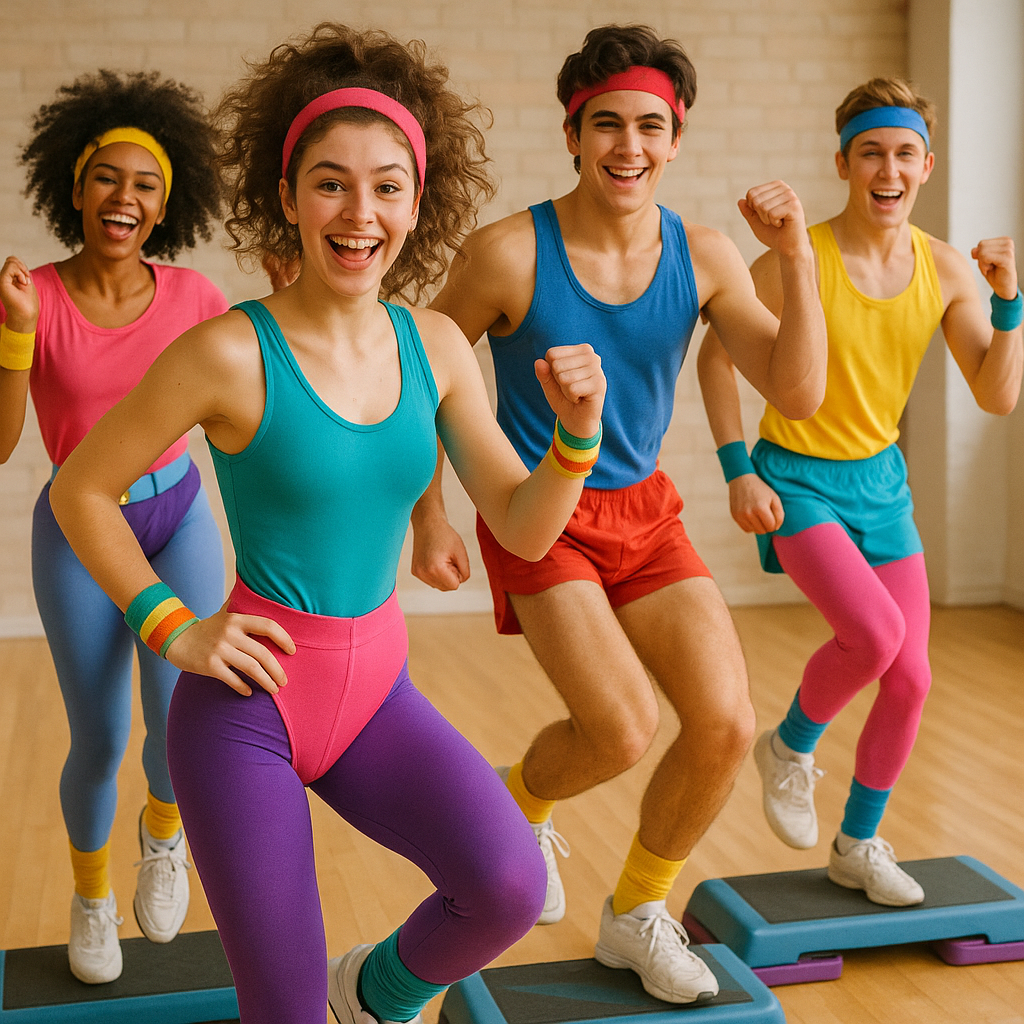
A group of teens participating in a vibrant 1980s-inspired aerobics session.
Why Teens Love Them: Fun, Social, and Effective
One of the primary drivers behind the resurgence of retro workouts among teens is the emphasis on fun and community. Unlike solitary gym routines, these old-school classes are designed to be lively and social. Group settings foster camaraderie, mutual encouragement, and a sense of belonging, all of which are crucial factors for teens navigating formative years. Classes such as Jazzercise or step aerobics often integrate energetic music, choreographed moves, and interactive instructors, transforming fitness from a chore into a celebration. This dynamic environment makes it easier for participants to stick with their routines, reducing dropout rates compared to solo exercise programs.
Effectiveness is another key factor in the appeal of retro workouts. Many classic routines focus on full-body movement, balance, and functional strength. For instance, calisthenics routines challenge the core, upper, and lower body simultaneously, while dance-inspired aerobics improve cardiovascular health and coordination.[3] The blend of strength, flexibility, and aerobic endurance offered by these workouts ensures that teens gain comprehensive fitness benefits without needing expensive equipment. Furthermore, the visible progress from mastering challenging moves or keeping up with complex choreographies gives participants a sense of accomplishment, reinforcing positive self-esteem and motivation to continue.
Stories of retro workouts going viral—such as a TikTok video featuring a group of friends reviving a 1990s Tae Bo routine and amassing over five million views—demonstrate how these exercises connect teens with both their peers and the past.[1] The playful, inclusive spirit invites everyone, regardless of skill level, to join in, further boosting the popularity of retro routines among diverse youth communities. Ultimately, these workouts are not only effective but also offer an enjoyable and accessible pathway to lifelong fitness habits.
Teens experience joy and community in an upbeat Jazzercise group class.
The Social Media Effect: Going Viral with Vintage Moves
Social media platforms, particularly TikTok and Instagram, have played a pivotal role in bringing retro workouts into the spotlight for a new generation. Viral challenges and creative short videos featuring classic aerobics, dance routines, and home calisthenics have inspired millions of teens to try these activities themselves. The visual nature of these platforms enables users to share their progress, celebrate achievements, and participate in trending hashtags, creating a sense of belonging and a culture of positive reinforcement.
According to a 2023 industry report, more than 40% of fitness-related posts by teens involved retro workout content, with the majority highlighting group participation and the nostalgic atmosphere created by throwback music and costumes.[1] These digital communities offer an inclusive, supportive space where users can connect regardless of geographic location or fitness level. The collaborative aspect of social media also facilitates the rapid spread of new routines and variations, making retro workouts endlessly adaptable and innovative.
Through these online networks, teens have revived forgotten exercises and made them relevant again, blending old-school moves with modern flair. For example, challenges combining 1980s aerobics with hip-hop choreography or remixing classic step routines with new music have generated millions of interactions. The widespread sharing of these creative, fun fitness videos has helped redefine exercise as a communal, joyful experience for the next generation. In this way, social media not only drives awareness but also shapes how retro workouts are experienced and enjoyed today.
A group of teens creates a viral 1980s-inspired fitness challenge for social media.
Health and Wellness Benefits: More Than Just Nostalgia
Retro workouts offer a wealth of physical and mental health benefits for teens beyond mere nostalgia. The holistic approach of classic routines, which blend cardiovascular, strength, and flexibility training, supports well-rounded fitness development. Research indicates that group exercise classes can enhance motivation and adherence to physical activity, leading to more consistent exercise habits and improved health outcomes for adolescents.[3]
Mental wellness is another important aspect. The fun, music-driven environment of retro workouts promotes stress reduction and mood elevation, both critical for teenagers facing academic and social pressures. A recent review in the Journal of Adolescent Health found that participation in group fitness classes, such as dance aerobics, is associated with lower levels of anxiety and higher self-esteem in teens.[4] The communal spirit of these classes also fosters social support networks, reducing feelings of isolation and helping teens build meaningful friendships.
These benefits are accessible regardless of prior fitness experience or athletic background. Because retro workouts often require minimal equipment and can be scaled to different skill levels, they lower barriers to entry for all teens. This inclusivity, combined with the proven health benefits, makes old-school fitness routines a valuable tool for supporting the well-being of today’s youth. For parents and educators seeking effective ways to encourage healthy habits, introducing retro workouts could be a practical and enjoyable strategy.
A teen demonstrates improved confidence and fitness through calisthenics.
Is This a Fad or Here to Stay?
The question of whether the resurgence of retro workouts among teens is a passing fad or a lasting movement is complex. On one hand, the cyclical nature of fitness trends suggests that popularity could wane as new forms of exercise emerge. However, several factors indicate that the old-school workout revival may have staying power. The accessibility and adaptability of these routines allow teens to participate without costly memberships or equipment, aligning with broader trends toward inclusive and sustainable fitness practices.[5]
Many experts note that the focus on functional movement, group support, and enjoyment are key components for long-term exercise adherence.[6] Teens who build positive associations with physical activity through retro workouts may be more likely to maintain healthy habits into adulthood. Furthermore, the social media infrastructure supporting these trends continues to grow, making it easy for new variations and communities to form. While there is always some degree of uncertainty in predicting the longevity of fitness trends, the evidence suggests that retro workouts address genuine needs for fun, social connection, and accessible fitness among young people.
It is important to acknowledge that shifts in teen preferences, technology, and cultural influences could impact the trajectory of the retro workout movement. As with any trend, sustained engagement will depend on continued innovation and adaptability. However, the positive experiences and documented benefits reported by participants hint that old-school fitness is not simply a nostalgic phase but a meaningful addition to the landscape of youth wellness.
Retro routines blend with new trends, showing their evolving appeal among teens.
Inspiration for Your Own Retro Routine
For teens and readers of all ages interested in joining the retro workout movement, there are numerous ways to get started. Many online resources, including video tutorials and social media challenges, provide easy-to-follow routines for Jazzercise, calisthenics, or step aerobics. Local community centers and schools may also offer group fitness classes inspired by classic formats, making it simple to participate in person.
Trying a retro workout can be as easy as putting on a favorite playlist and following along with a vintage exercise video. For those seeking variety, blending classic moves with new music or inviting friends for a group session can enhance the experience. The focus should remain on enjoyment and self-improvement, rather than perfection, to foster a positive relationship with fitness. As more teens and families embrace these accessible, fun routines, the retro workout trend could inspire lasting changes in how we approach exercise and community wellness.
Ready to give it a try? Choose a favorite throwback routine, invite a friend, and share your experience online to join a growing community of retro fitness fans. By engaging with these classic workouts, readers can benefit from both the joy of movement and the support of a vibrant, inclusive community. The next viral trend may just begin in your own living room.
Trying a retro workout at home offers both fun and fitness for everyone.
